

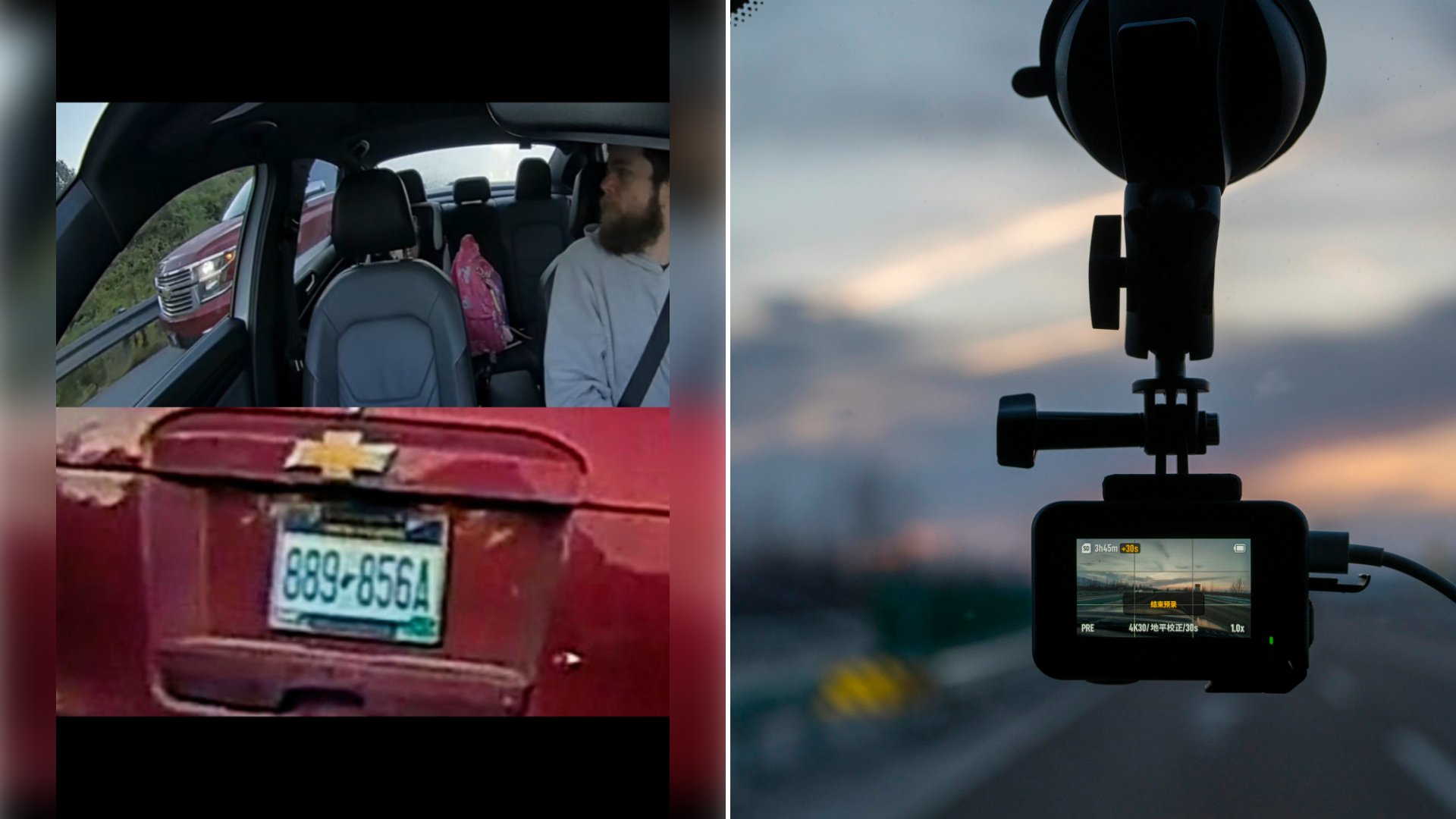
A driver pulls up her own dashcam clip to call out another motorist whose dangerous move on the road nearly turned into a serious accident. The footage opens with her telling the other driver exactly what she thinks of the move, framing the whole video as a direct confrontation backed up by the camera running the whole time.
The post from @babymamallama89 opens with a sharp line aimed squarely at the other driver, essentially telling them they deserve every bit of criticism headed their way for the move that put other people on the road at risk. The dashcam angle gives the whole clip a documentary feel, turning what could have been a he said she said argument into footage that speaks for itself.
@babymamallama89
Dashcam call out videos like this one have become one of the most common formats on social platforms for a simple reason: dashcam footage holds up. Insurance companies in the United States increasingly accept dashcam video as supporting evidence when determining fault in a collision or a near miss claim, and in states with strict comparative negligence rules, timestamped footage showing exactly what happened can be the difference between a claim being approved or denied. Several states have also begun allowing dashcam footage to be submitted alongside police reports when a driver wants to formally report a reckless or dangerous driving incident, even when no collision actually occurred.
Reckless and aggressive driving has also been a genuine growth area for concern among traffic safety researchers. The National Highway Traffic Safety Administration has tracked a rise in aggressive driving behaviors reported in crash data over the past several years, including sudden lane changes, following too closely, and failing to yield right of way, all of which are the exact categories of near miss incidents that fuel this style of viral dashcam content. Distracted and aggressive driving combined are cited as contributing factors in a significant share of reported crashes nationally, which helps explain why footage showing a near miss resonates so widely, viewers recognize the exact scenario from their own daily commute.
For drivers who want to document incidents like this themselves, traffic safety advocates generally recommend a few basic steps: note the time, location, and direction of travel as soon as possible after any near miss, save the dashcam clip immediately rather than letting storage loop over and erase it, and report genuinely dangerous driving to local law enforcement through a non emergency line when no immediate danger remains. Confronting another driver directly, as happens in viral clips like this one, is understandable in the moment but safety officials generally advise against engaging further on the road itself, since the goal is documentation and reporting rather than escalation.
What makes this kind of footage resonate beyond the usual traffic drama is the stakes people read into it. A near miss on an open road already raises the pulse, and viewers responding to this clip are clearly reacting to how close the situation came to turning into something far worse, which is exactly the kind of reminder that keeps dashcams selling and keeps this entire video genre relevant.
More from Steel Horse Rides
- Driver Asks Did I Overreact Over Dashcam Footage of an Oncoming Silver Car Coming at Him Near the Center Line, Then Shows His Face Barely Moving the Entire Time
- Car Expert Explains California’s New CARS Act Requiring Dealerships To Disclose Full Vehicle Prices Upfront and Offer a Three Day Cancellation Window
- Buyer Catches a Facebook Marketplace Car Flipper Rolling Back the Odometer and Says the Title Was Not Even in His Name, Then Warns Other Shoppers