
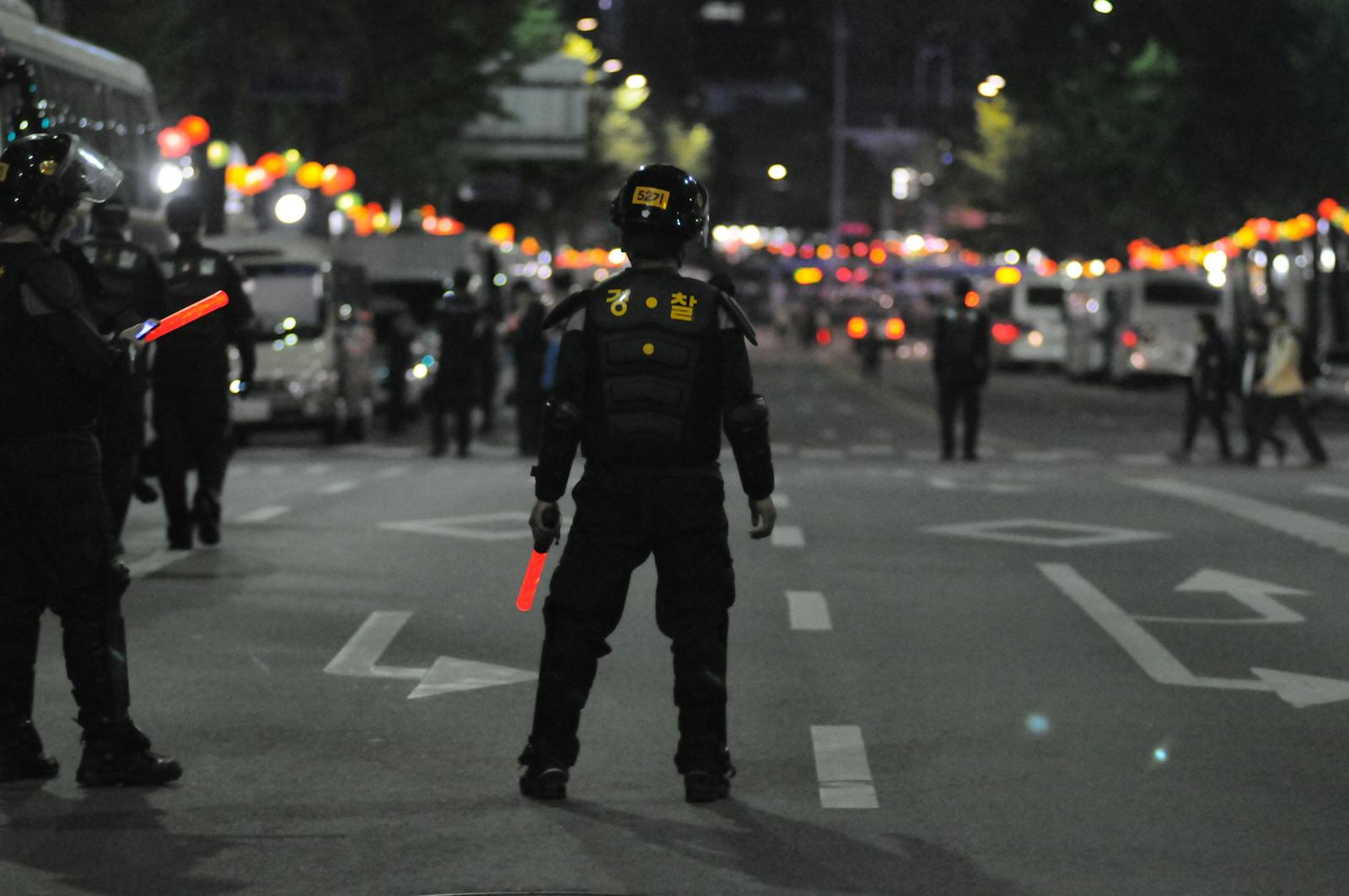

Expect traffic delays and extra stops during peak spring travel, and plan accordingly so a late arrival or big fine doesn’t derail your plans. Police will set checkpoints and step up enforcement, and municipal rules will tighten parking availability and rates in busy areas.
They’ll target busy corridors and beach access points with sobriety checks, license-plate-reader details, and restricted entry lanes, so travelers should factor possible hold-ups into schedules and pick alternate routes when available.
Cities will also close certain garages, impose flat or elevated parking fees, and increase towing and ticketing in high-impact zones—measures designed to limit crowds and curb disorder during the busiest weekends.
Police Checkpoints and Enhanced Enforcement During Spring Travel
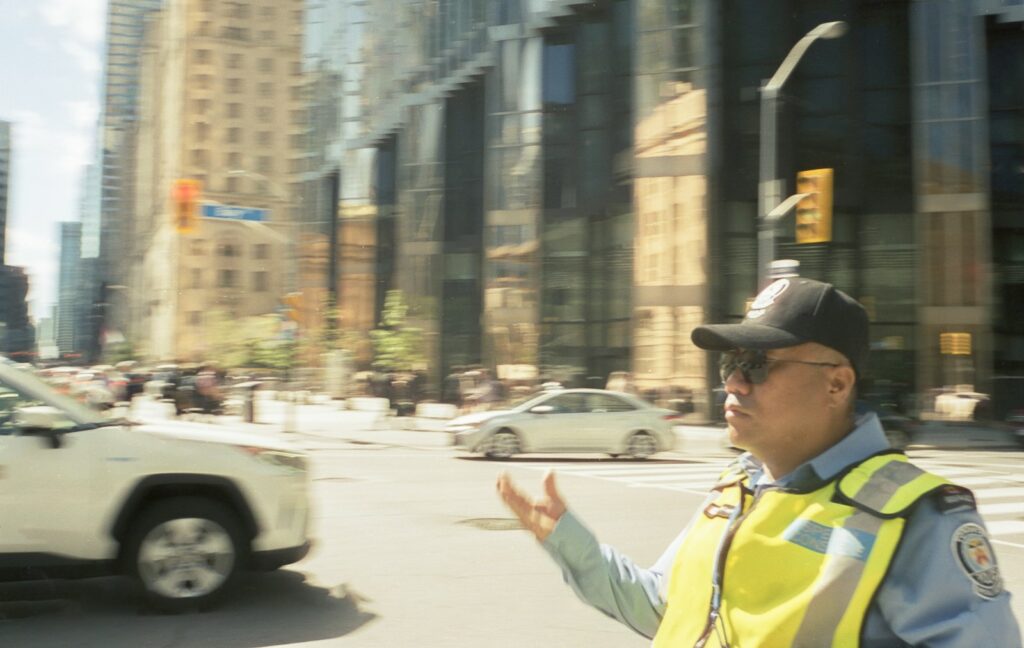
City officials set up targeted checkpoints, deploy license plate reader teams on causeways, and increase uniformed and plainclothes patrols to reduce drunk driving and manage crowds. Drivers should expect delays at key entry points, directed traffic patterns on Ocean Drive, and visible enforcement near popular beach access streets.
DUI and Sobriety Checkpoints at Key Entry Points
Miami Beach places DUI checkpoints at high-traffic approach roads to intercept impaired drivers before they reach entertainment districts. Checkpoints often operate on the MacArthur and Julia Tuttle causeways and have been reported on Fifth Street near beach access; they use standardized screening procedures and follow state guidelines for sobriety testing.
Officers briefly stop vehicles in organized lanes, check driver impairment and documentation, and refer suspected impaired drivers for field sobriety or breath testing. These operations run during peak weekend hours and holiday periods, so drivers should plan extra travel time and designate sober drivers.
License Plate Reader Detail on Causeways
A dedicated license plate reader detail monitors vehicles entering Miami Beach from major causeways to identify stolen cars, outstanding warrants, and registration violations. Cameras scan plates in real time; flagged vehicles prompt nearby units to intercept or slow traffic for safe checks.
This detail concentrates on the MacArthur and Julia Tuttle causeways and may create eastbound delays as officers verify hits. Travelers should expect intermittent stops or lane slowdowns where readers and officers are positioned, and commercial traffic may see additional inspections.
Miami Beach Police Department’s Role and Increased Patrols
The Miami Beach Police Department coordinates the enforcement plan, assigning extra uniformed officers, plainclothes teams, and a surveillance unit that watches live camera feeds. Officers staff checkpoints, manage Ocean Drive access points, and enforce temporary rules such as restricted beach entrances and parking garage closures.
They also issue citations, tow vehicles that violate posted rules, and oversee public-safety messaging. Residents and visitors can view official traffic flow maps and temporary ordinances on city pages to avoid fines and delays.
Stricter Parking Rules and Travel Reality Check for Drivers
Cities are increasing meter rates, limiting curbside time, and enforcing tow zones to reduce congestion and unsafe behavior during peak travel periods. Drivers should expect higher fees, reduced available garages, and targeted campaigns that encourage using rideshares or designated drivers.
High Parking Fees and Garage Closures
Municipalities often raise hourly rates near beaches, entertainment districts, and event venues during busy periods. Drivers can face $5–$15 hourly rates in peak areas and surge pricing on holiday weekends, so budgeting for parking becomes essential.
Some cities convert public garages to permit-only or reserve spaces for event vendors, reducing open capacity. Mobile payment apps may show reduced availability; drivers should check pay-by-phone maps in advance to avoid circling and extra fees.
Short-term loading zones and time-limited curb spaces get stricter enforcement during peak days. Officers and parking attendants issue more citations for overstay and illegal parking, making it practical to plan alternate transport or prebook a garage when possible.
Towing Policies and Nonresident Restrictions
Towing becomes more common where overnight and commercial vehicle parking is restricted. Cities enforce two-hour limits or outright bans on vehicle sleeping and long-term street parking, leading to tows and impound fees that can exceed several hundred dollars.
Some municipalities suspend registration or impose booting for multiple unpaid citations, increasing the stakes for nonresident drivers who miss notices. Out-of-town visitors who park in residential permit zones or sales-forbidden spots risk immediate removal.
To avoid tow or impound, drivers should read posted signs carefully, use official parking apps that display rules, and keep payment receipts. Calling a local parking authority can clarify ambiguous restrictions before leaving a vehicle overnight.
Spring Break Reality Check Campaign
Local governments run campaigns that combine public education with stepped-up enforcement to deter unsafe behavior during spring break. Messaging emphasizes parking rules, DUI checkpoints, and consequences for illegal parking or excessive noise.
Campaign tactics include increased visible patrols, social media alerts about restricted zones, and temporary signage near beaches and nightlife districts. The intent targets both reducing congestion and preventing safety incidents tied to impaired driving and blocked emergency access.
Officials often coordinate with parking authorities to post real-time updates on tow zones and temporary garage closures. Travelers who follow campaign guidance and choose rideshares or public transit lower their risk of fines, towing, or vehicle impoundment.
More from Steel Horse Rides: