

You’re likely to hit a new speed camera before you spot a warning sign — and that can mean a surprise ticket or a sudden scramble to slow down. These expanded camera zones are already catching motorists off guard in some areas, producing hundreds or even thousands of notices as jurisdictions ramp up enforcement.
They’re appearing in work zones, school areas, and new municipal programs, sometimes with short informational periods before fines start. The next sections explain where cameras are showing up, why enforcement is increasing, and what that means for anyone who drives through these changing zones.
New Speed Camera Zones Are Catching Drivers By Surprise
Many drivers report getting tickets in places they didn’t expect: school and work zones, suburban streets, and stretches of highway where cameras now run more hours and issue fines automatically. The equipment and placement decisions are changing how motorists spot and respond to posted limits.
Recent Expansion of Automated Enforcement
Cities and states have accelerated deployment of automated speed cameras this past 24 months. Lawmakers in several jurisdictions passed measures authorizing cameras in school zones, construction areas, and high-crash corridors, and agencies moved quickly to install them.
Officials cite crash-reduction goals and data from organizations such as the Insurance Institute for Highway Safety when justifying expansion. But some deployments began without extended grace periods or consistent signage, leaving drivers surprised when enforcement started issuing fines immediately.
Agencies also shifted policy on operating hours and fine structures. Where cameras once ran limited school hours, many now operate longer or 24/7 and can carry higher penalties for repeat offenders. That combination of legal change and rapid rollouts has increased the number of drivers caught unaware.
Where Speed Cameras Are Being Deployed
Deployment targets tend to be specific and repeatable: school zones, highway work zones, streets with high pedestrian activity, and known high-crash segments. For example, Washington state used portable cameras along interstate work zones and cited thousands of drivers within weeks of activation.
Municipalities increasingly place automated speed cameras at locations identified through crash data analysis and complaints from communities. Some programs focus on school and construction safety, while others prioritize arterial streets or suburban corridors where speeding complaints rose after traffic calming measures changed flow.
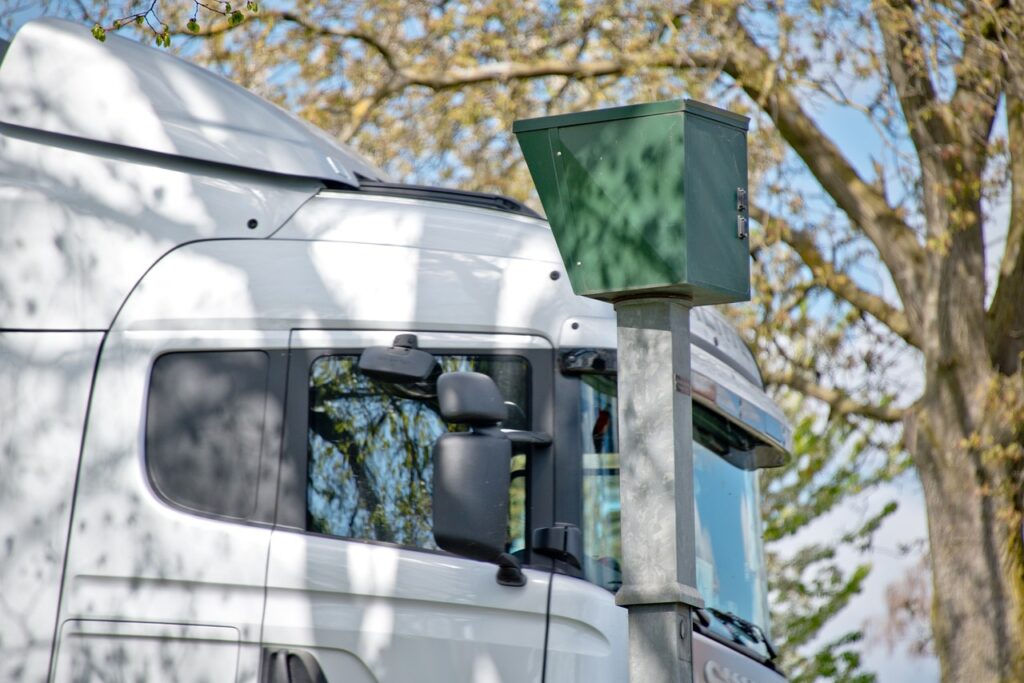
Drivers should assume cameras may appear in suburban residential streets as well as highways. Officials often post notices, but inconsistent signage and rapid installs mean motorists cannot rely solely on visual cues to avoid enforcement.
Technology Behind the New Speed Cameras
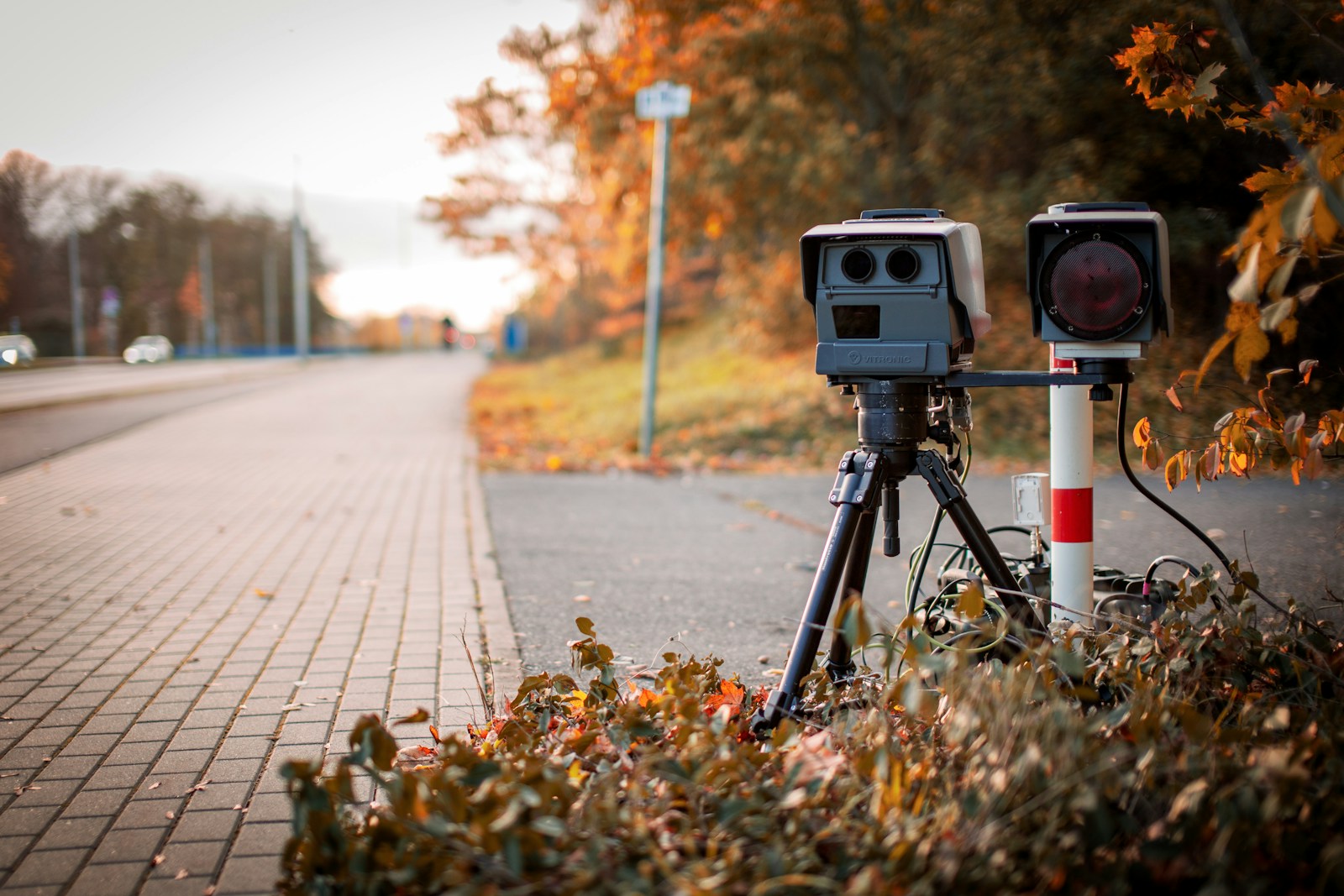
Newer automated enforcement systems combine radar or LIDAR speed measurement with high-resolution cameras and automated plate-reading software. These systems can detect speed, capture still images and video, timestamp events, and match plates to registration databases without human radar operators.
Some units are fixed; others are portable and can be relocated based on short-term crash trends or construction schedules. Advanced analytics flag repeat offenders and generate evidence packets for citations, which shortens processing time and increases ticket volume.
Higher accuracy and round-the-clock operation make these automated speed cameras more likely to catch brief or small over-speeding events that older methods missed. That technical reliability, paired with expanded legal authority, explains why many motorists feel caught off guard.
Impact of Expanded Enforcement on Motorists
Expanded automated enforcement changes where and how motorists get ticketed, raises fine exposure in sensitive zones, and shifts expectations about driving near schools, work sites, and high-crash corridors.
Common Triggers and Fines for Speeding Tickets
Speed cameras typically trigger tickets when a vehicle exceeds a posted limit by a set threshold—often 5–10 mph over in urban zones and lower margins in school or construction areas. Photo evidence records plate, speed, date, and location; jurisdictions then mail a citation to the registered owner.
Fines vary widely. Some cities charge $50–$200 for first offenses, while special zones (like Illinois construction areas) can reach higher amounts. Repeat offenders may face escalating fines or point penalties where local law allows points to affect insurance. Motorists should check local DMV rules to learn if camera citations add points or only carry civil penalties.
Speed Cameras in School Zones and Work Areas
School-zone cameras now often operate beyond arrival and dismissal times, with some programs running 24/7 to catch all violations. This increases ticket volume for drivers who assume cameras only run during limited hours. School bus cameras and dedicated school-area enforcement add another layer—drivers passing stopped buses or entering crosswalks can trigger separate violations.
Work-zone enforcement focuses on protecting crews; fines in work zones are frequently doubled. Municipalities justify round-the-clock monitoring by citing pedestrian safety and crash reduction data, including research tracked by organizations like the Insurance Institute for Highway Safety that links enforcement to lower speeds and fewer serious crashes in targeted areas.
Challenges, Controversy, and Public Sentiment
Criticism centers on placement, transparency, and perceived revenue motives. Motorists complain about poor signage and cameras sited immediately after speed-limit changes, which can make violations feel unexpected. Some states have reacted by limiting camera use or restricting funding sources after public pressure and legislative review.
Advocacy groups push both for and against expanded automation. Proponents point to crash-reduction studies; opponents highlight due-process concerns and vendor contracts. Local sentiment often splits along whether residents see tangible safety benefits—areas showing sustained crash declines tend to report higher acceptance than places where citations surge without visible safety improvements.
Effect on Traffic Management and Safety
Automated speed enforcement integrates with broader traffic-management strategies like targeted traffic calming and data-driven placement of devices. Cities use crash and speed data to locate cameras, aiming to reduce high-severity collisions rather than just ticket totals. Studies of sustained programs show speed reductions and fewer serious injuries at monitored sites.
Operational choices affect outcomes: clear signage, public notice, and limits on camera hours can improve compliance without eroding trust. When jurisdictions combine cameras with engineering fixes and education campaigns, they more reliably lower speeds and crashes—evidence cited by federal guidance and traffic-safety programs advocating multimodal approaches.
More from Steel Horse Rides: