
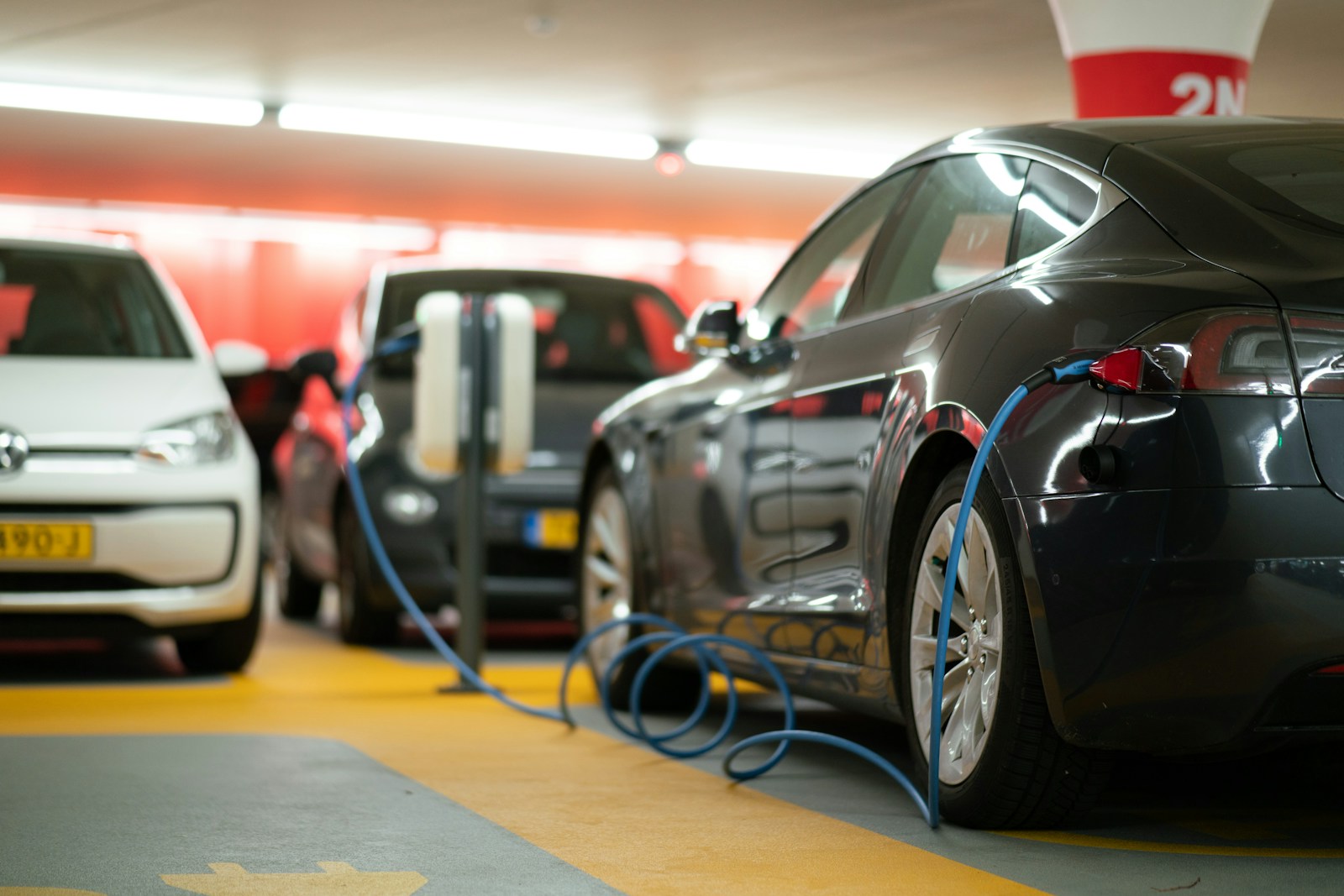

They’re switching to electric cars at a faster clip than many expected, and you’ll see why this shift matters for your driving options, costs, and local infrastructure. More drivers are choosing EVs because prices, model choices, and charging access have improved enough to make the switch practical for many.
They’ll still face real hurdles—range limits, uneven charging networks, and policy uncertainty—but the market’s momentum and emerging solutions mean this is a pivotal moment to rethink what a car can do for you. The article will explain the forces behind the surge, the obstacles to watch, and what those developments mean for everyday life on the road.
Why Electric Vehicle Sales Are Surging Now

EV sales are rising because more models are available, battery costs are falling, and buyers see lower running costs. Policy changes and short-term incentives also push purchases in some markets.
Major Growth in Global and US EV Sales
Global electric car sales climbed sharply over recent years, with EVs moving from niche to mainstream in many markets. In 2023 EVs made roughly 14% of new global car sales, and several regions continued sizable year-over-year gains into 2025. The United States saw quarters of double-digit growth in 2025, though annual U.S. totals showed volatility and a slight year-on-year dip in some reports.
Regional differences matter. Europe posted strong adoption driven by stricter emissions rules and incentives, while China kept large volumes thanks to domestic manufacturers. In the U.S., Q1 2025 EV share reached about 7.5% of new sales and certain months in 2024–2025 hit double-digit shares during incentive-driven spikes. These shifts reflect both long-term demand and timing effects from policy deadlines.
Exploding Choice: More Electric Vehicle Models for Consumers
Automakers now offer a broad range of BEVs and PHEVs across price points and vehicle segments. Legacy brands expanded into SUVs, trucks, and affordable compacts, while startups focused on niche performance and value models. That variety reduces one of the main barriers to adoption: finding an EV that fits lifestyle and budget.
Consumers can choose from long-range battery cars, plug-in hybrids for range confidence, and increasingly mainstream electric trucks. Leasing and competitive financing also lowered upfront cost hurdles, and manufacturers added features like fast-charging compatibility and improved in-cabin tech to match ICE expectations. Greater model availability correlates with higher local EV market share where dealers stock diverse options.
Falling Battery Costs and Improved Total Cost of Ownership
Battery pack prices have fallen substantially over the past decade, lowering vehicle sticker prices and improving range-per-dollar. Advances in cell chemistry, manufacturing scale, and supply-chain improvements cut per-kilowatt-hour costs, which directly reduce BEV production costs. That trend made mid-priced electric cars more attainable for mainstream buyers.
Lower energy and maintenance costs shifted ownership math in favor of EVs. Even when purchase prices remain higher than comparable ICE vehicles, many buyers see equal or lower total cost of ownership over a typical 5–7 year ownership window. Fleet operators and high-mileage drivers especially benefit from lower operating costs, accelerating EV adoption in commercial segments.
Navigating Challenges: Range, Infrastructure, and Market Uncertainties
Electric vehicles are gaining buyers, but practical limits—how far cars go, where drivers charge, and shifting market rules—shape adoption decisions. Drivers, fleets, and policymakers weigh trade-offs across battery range, charger access, incentives, and supply-chain risks.
Range Anxiety Remains a Top Concern
Range anxiety still influences purchase choices, especially for drivers who regularly travel 150+ miles without reliable charger access. Many buyers compare EPA range figures to real-world energy consumption; cold weather, high speeds, and payload can cut range by 10–30%, so realistic range matters more than headline numbers.
Battery chemistry and pack size decide usable range and degradation over time. Automakers and suppliers are improving energy density, but charging speed and battery thermal management affect how quickly a driver can recover range on the road. Resale value also ties to battery health, which affects willingness to pay for higher-capacity packs.
Fleet operators focus on duty cycles and route optimization to avoid range shortfalls. Public fleets and ride-hailing companies often favor vehicles with 200–300 mile usable range or guaranteed depot charging to limit operational risk.
Charging Infrastructure Gaps and Progress
Public charging remains uneven across regions. Urban areas and highways in major markets see growth in public charging ports and DC fast chargers, while rural and inner-suburban corridors still lack reliable coverage. Deployment varies by state and country, and some high-traffic sites face long waits at underpowered stations.
Charging types matter: Level 2 suits overnight and workplace charging, while DC fast chargers restore 80% state-of-charge much faster and are critical for long trips. Networks—both proprietary, like Tesla’s Supercharger network, and open networks—compete on reliability and payment systems. Interoperability and roaming agreements are improving connector access across networks.
Policy and private capital target chokepoints. Grants and tax credits from programs like the Inflation Reduction Act have accelerated public charger builds, but permitting delays, grid upgrades, and rising component costs still slow some projects. Operators also grapple with utilization rates and business models for long-term maintenance.
Shifting Incentives, Market Dynamics, and Consumer Sentiment
Policy changes and automaker strategies alter buyer economics. Purchase subsidies, emissions regulations, and tax incentives raise or lower effective price gaps between EVs and ICE vehicles. When incentives shift, demand timing also shifts—manufacturers delay launches or reprice models in response.
Legacy automakers and new entrants balance margins, battery sourcing, and aftersales support. Concentration in the battery supply chain raises geopolitical and input-cost risks; manufacturers hedge with vertical integration and regional gigafactories. Recycling and second-life battery markets are emerging to reduce raw-material pressure and lifecycle emissions.
Consumer sentiment tracks total cost of ownership and practical use. Willingness to pay rises with fuel savings and confidence in the EV charging network. But concerns about resale value, charging wait times, and evolving incentive rules keep some buyers on the fence.
More from Steel Horse Rides: