
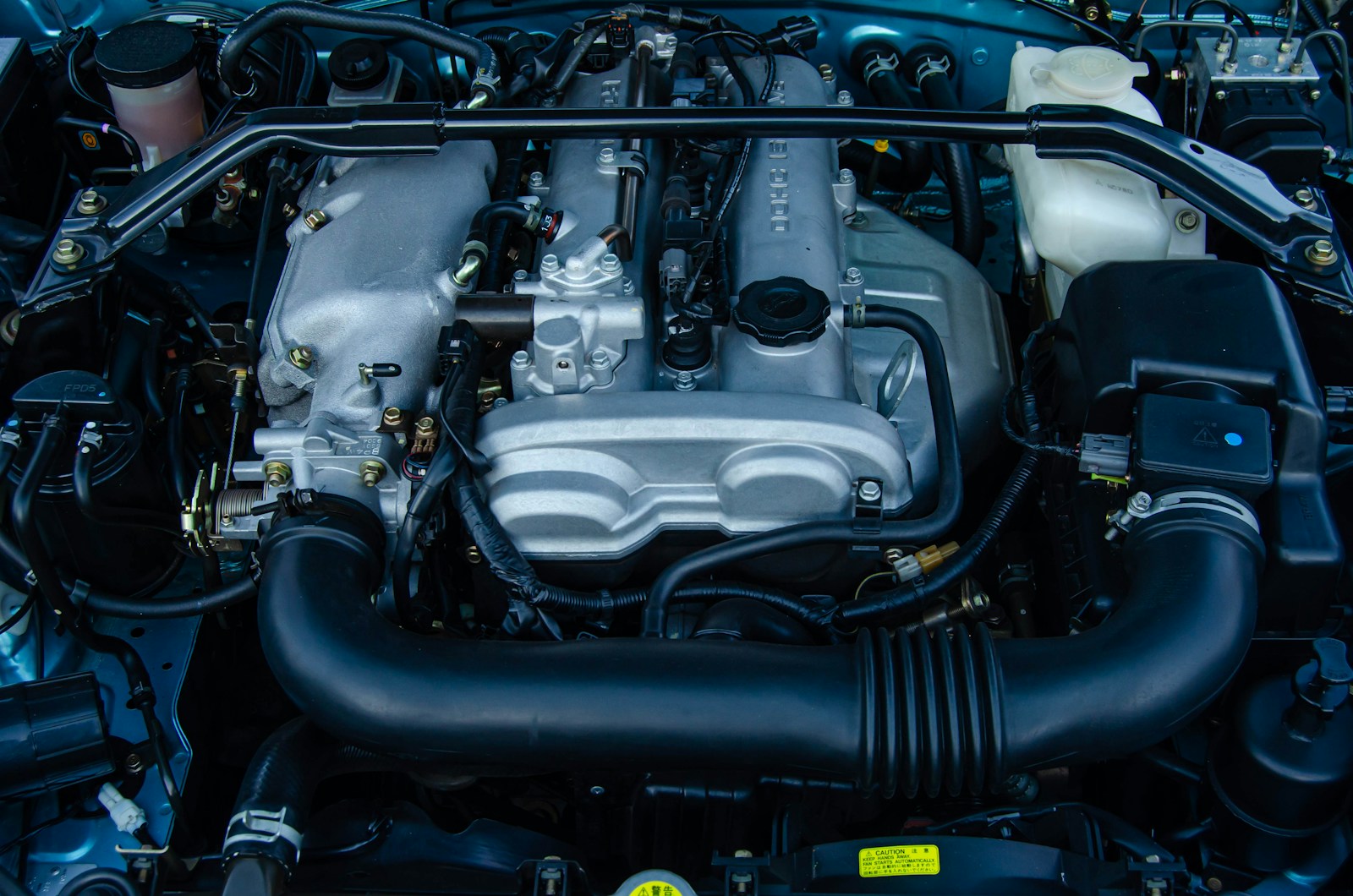

Engines that GM already repaired under a major recall are failing again, and federal regulators now have an open investigation into why. The National Highway Traffic Safety Administration opened Engineering Analysis EA26005 on August 20, 2026, after receiving hundreds of complaints from owners whose GM trucks and SUVs lost power a second time even after the 6.2-liter V8 recall repair was completed.
Key Points
- NHTSA’s Office of Defects Investigation logged 499 complaints of engine failure occurring after owners already had the recall remedy performed, according to the investigation’s opening summary
- Of those, 473 involved vehicles that received the oil-viscosity fix, and 26 involved vehicles that had already gotten a full engine replacement under the original recall
- GM separately reported 6,953 post-repair complaints to the agency
- The new investigation covers an estimated 997,743 vehicles, expanding beyond the original recall’s population to include engines built after the recall’s original cutoff date
The trouble began with Recall 25V-274, which GM filed in April 2025 covering roughly 597,630 model-year 2021-2024 vehicles built with the L87 6.2-liter V8, including the Chevrolet Silverado 1500, Tahoe and Suburban, GMC Sierra 1500, Yukon and Yukon XL, and Cadillac Escalade and Escalade ESV. According to the original recall filing, GM traced the defect to a supplier manufacturing issue that left connecting rods and crankshafts with sediment contamination and out-of-specification dimensions, which can lead to engine failure and a total loss of propulsion while driving. That filing documented 28,102 field complaints, including 14,332 involving loss of propulsion, plus 12 alleged crashes and 42 fire allegations tied to the underlying defect.
GM’s remedy under that recall gave dealers two options depending on inspection results: some vehicles got a full engine replacement, while others were deemed to pass and received higher-viscosity oil along with a new oil cap and filter. NHTSA’s new engineering analysis is now examining whether that second, more common fix actually solved the underlying problem. The agency’s opening summary notes it has “not established that the oil remedy caused failures or that replacement engines contained the original defect” — meaning investigators are still working to pin down why failures are continuing, not just that they are.
What This Means for Owners
- Vehicles covered: 2021-2026 model-year Chevrolet Silverado 1500, Tahoe, Suburban, GMC Sierra 1500, Yukon, Yukon XL, and Cadillac Escalade with the L87 6.2-liter V8
- An engineering analysis is a formal step that can lead to an expanded recall if investigators confirm the remedy is inadequate, though NHTSA has not yet reached that conclusion
- Owners who already had the recall repair and are experiencing new symptoms — warning lights, knocking noises, or loss of power — should contact a GM dealer and file a complaint directly with NHTSA at nhtsa.gov/complaints
NHTSA’s engineering analysis is still open, and its timeline for a decision on whether GM must take further action has not been set.