
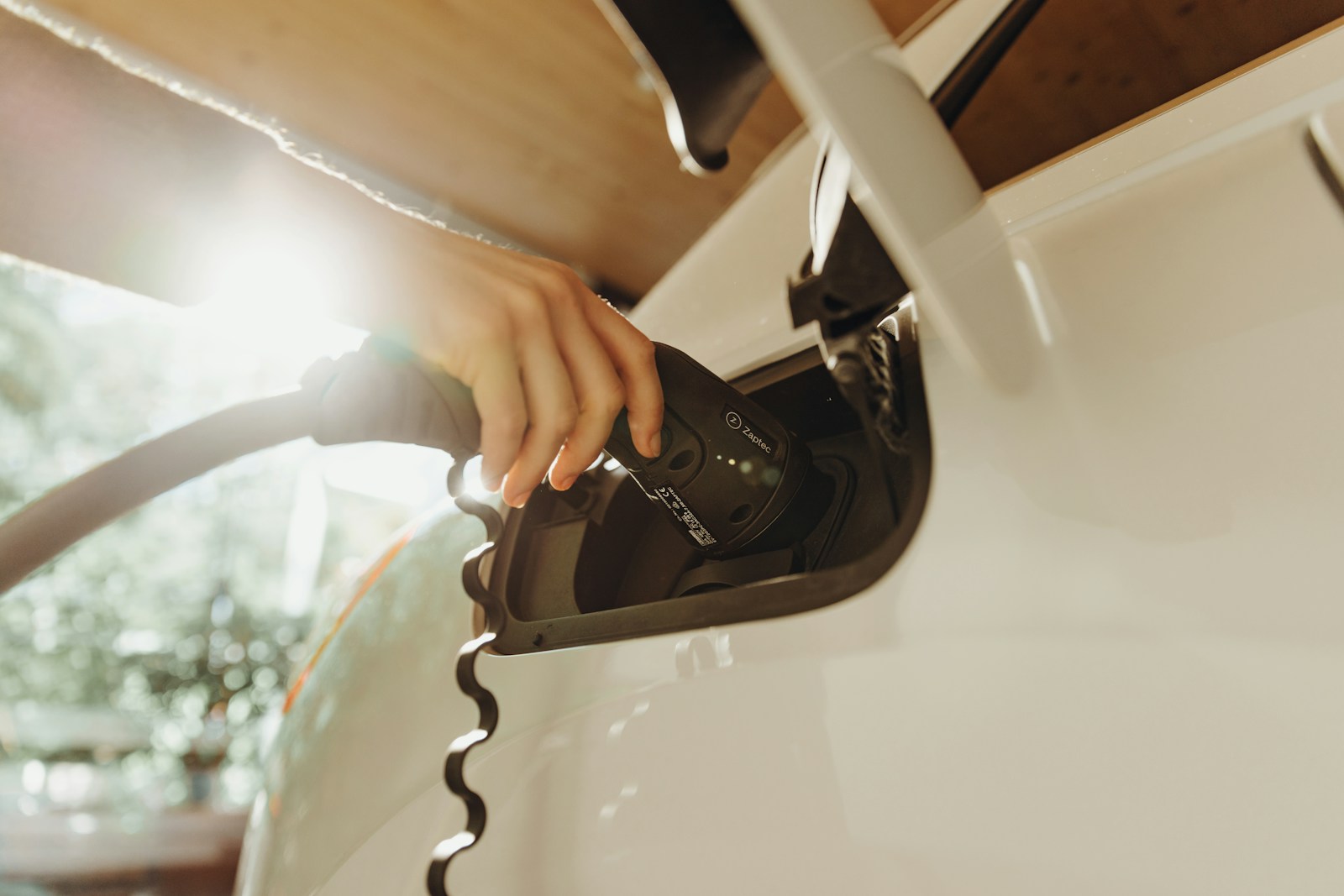

EV charging sessions in the U.S. jumped 34% in 2025 while the number of new charging ports grew just 16%, according to Kelley Blue Book’s own reporting on network data. That roughly 20-percentage-point gap is the clearest evidence yet that the public charging buildout, however much it’s expanded on paper, isn’t keeping pace with how many EVs are actually plugging in every day.
The Numbers Behind the Gap
The underlying data comes from ChargePoint, one of the largest public charging networks in North America, which detailed the mismatch in its own network data release: charging sessions rose 34% year over year even as the company added roughly 190,000 new ports, a 16% expansion. ChargePoint now serves more than 1 million EV drivers monthly and enabled over 100 million charging sessions in the past year alone. “Nearly 60% of the 19.3 billion electric miles we’ve enabled in nearly 18 years took place over the most recent two years,” said Rick Wilmer, ChargePoint’s CEO, in the release — a growth curve that’s bending sharply upward at exactly the moment the network needs to expand fastest to match it.

It’s Not Just New Sales Driving the Pressure
What makes this gap notable is that it’s not simply a byproduct of surging EV sales. U.S. EV sales posted their second-best year on record in 2025 even as Q4 saw a sharp pullback tied to the federal tax credit’s expiration, according to KBB’s coverage of the ChargePoint data. Wilmer’s own framing cuts against the assumption that slower new-car sales should ease pressure on chargers: “New EV sales are no longer the primary benchmark for charger demand, it is the total number of EVs on the road.” Every EV sold in prior years is still driving, still charging, and still competing for the same finite number of public plugs — meaning charging demand keeps climbing even in a quarter where showroom traffic cools.
A Second Data Set Points the Same Direction
Independent confirmation comes from the HERE–SBD EV Index, a joint study from HERE Technologies and SBD Automotive tracking the U.S. charging network over the twelve months through June 2025. That study found 37,000 new charging points added — a 19% increase — down from a 32% increase in the prior twelve-month period, even as total available charge power growth also decelerated, from an 82% jump the year before to 52% more recently. Two separate data sets, measuring different networks over different windows, both point to the same conclusion: the rate of new charger construction is slowing at the same time the installed base of EVs keeps demanding more from the plugs already in the ground.
Why Perception Still Lags Reality — In Both Directions
The same HERE–SBD research found that 53% of U.S. respondents cite the perception of inadequate charging access as their top barrier to buying an EV, and 57% said they’d likely buy a gasoline vehicle next — even though only 5% of current EV owners say they’d actually switch back to gas. That disconnect matters because it means the infrastructure gap isn’t just a logistics problem for existing owners circling a crowded charging plaza; it’s actively shaping which car shoppers cross EVs off their list before ever driving one. Cox Automotive’s own industry analysts have characterized the broader Q4 sales slowdown as a shift toward a market increasingly driven by consumer choice rather than a retreat from electrification — but a consumer choosing against an EV because of charger anxiety is still a consumer the charging network needs to win back.
The Infrastructure Math Still Has to Catch Up
None of this means the public charging network is shrinking or stalling outright — port counts and total charge power are still growing every year. The issue is the growth rate itself, which has downshifted at precisely the moment millions of EVs already on American roads need it to accelerate. Every data point pointing to slower expansion arrives alongside a data point showing usage climbing faster still, and that combination — not a lack of new EV buyers — is what’s actually straining the charging network in 2026.
For drivers, that translates into something very concrete: longer waits at popular corridor chargers during peak travel windows, more variability in whether a given station has an open, working stall, and a growing incentive for anyone shopping an EV to weigh home-charging access as heavily as the car’s own range figure. Charging networks and automakers alike have leaned on public buildout pledges for years as the answer to range anxiety. The 2025 numbers suggest the bigger constraint isn’t how fast new stations get built — it’s how far behind that pace still sits relative to a fleet of EVs that keeps growing whether or not this quarter’s new-car sales do.