


Drop the temperature to -32°C and even a 960-kilometer Lucid Air Grand Touring shrinks to 520 kilometers of usable range, a 46% hit that would leave most drivers stranded well short of their next charger. That’s not marketing spin. It’s what the Norwegian Automobile Federation recorded when it lined up 24 EVs for its 2026 El Prix winter test and drove every one until the batteries gave out. Recurrent Auto’s separate analysis of 30,000 real-world vehicles backs up the pattern, showing EVs retain just 78% of their range at 32°F and 70% at 20°F. Testing data now shows exactly which models handle the cold and which ones don’t.
1. Opel Grandland: 46% Range Loss
NAF’s -32°C El Prix test hit the Opel Grandland harder than almost anything else in the 24-car field, cutting its rated 484 km down to just 262 km on real winter roads, tying it for the worst percentage drop of the entire test. For a compact crossover marketed as a practical daily driver, losing nearly half its range the moment temperatures fall off a cliff won’t show up on a window sticker. If your winters bite, that spec sheet number needs an asterisk.
2. Lucid Air Grand Touring: 46% Range Loss
The Lucid Air Grand Touring lost the same 46% in NAF’s extreme-cold test, but the story is stranger. It still drove farther than every other car in the fleet, covering 520 km after starting with a class-leading 960 km WLTP rating. That’s the paradox of buying range headroom: a huge battery and an efficient drivetrain can absorb a brutal percentage loss and still leave you with more usable range than a rival that loses half as much. Battery size still beats any single efficiency trick.
3. Volvo EX90: 45% Range Loss
Volvo’s flagship EX90 dropped from a rated 611 km to 339 km in the same test, a 45% loss that puts one of the brand’s most expensive EVs near the bottom of the pack. Heavy curb weight, big cabin heating demands, and a battery pack tuned more for comfort than efficiency all work against it once the mercury drops. That’s a meaningful gap between the sticker number and what shows up on a subzero commute.
4. Tesla Model Y: 43% Range Loss
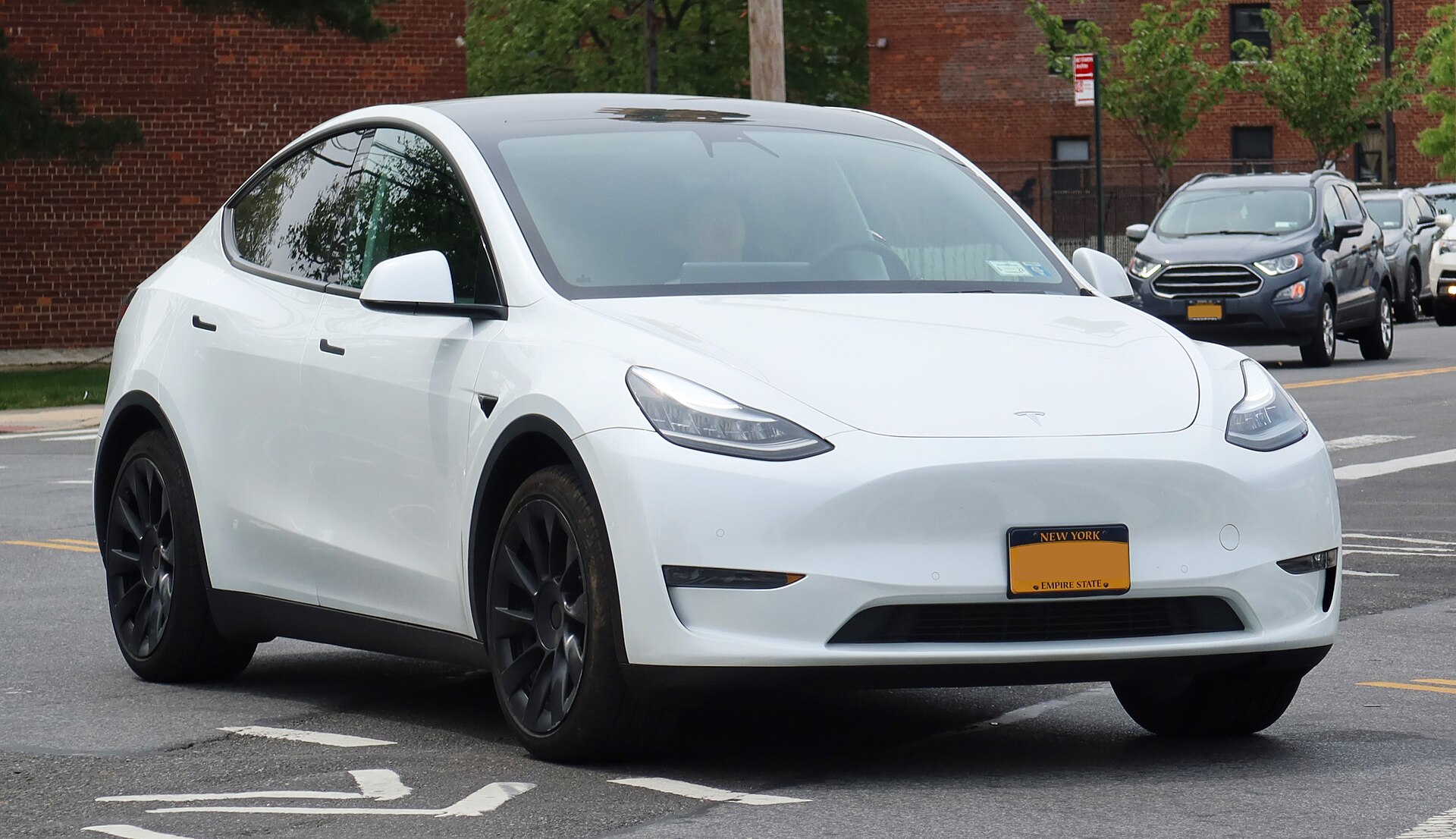
Tesla’s best-selling Model Y isn’t immune either. NAF clocked a 43% range loss, falling from 629 km WLTP to 359 km in -32°C conditions, a steeper drop than several cheaper rivals in the same test. It’s a reminder that heat pump hardware alone doesn’t guarantee winter efficiency; calibration and preconditioning habits matter just as much. Recurrent Auto’s milder-cold U.S. data tends to look better, so the -32°C extreme reads more like a stress test than daily reality.
5. Tesla Model 3 Highland: 30% Range Loss
A separate NAF winter test, reported by Notebookcheck, put the refreshed Model 3 Highland through more typical freezing conditions of -2°C to -10°C and still recorded a 30% range loss, worse than its Chinese rival, the BYD Dolphin, which lost closer to 20% despite the smaller official range figure on paper. The longest range spec doesn’t always mean the best cold-weather efficiency.
6. Kia EV4: 34% Range Loss
Kia’s EV4 landed in the middle of NAF’s pack, dropping from 594 km to 390 km, a 34% loss that’s still enough to put a serious dent in a road trip. It’s a useful benchmark because it sits close to the 38% average range loss NAF recorded across all 24 vehicles in the test, meaning the EV4 performs almost exactly like the typical EV in extreme cold rather than standing out in either direction.
7. MG IM6: 30% Range Loss
The MG IM6 held up better than most, losing 30% of its rated 505 km to finish the -32°C test at 352 km, edging out established rivals from BMW and Volvo. Alongside sibling MG6S EV, which posted a nearly identical 29% loss, the results suggest Chinese manufacturers are closing the winter-efficiency gap that used to favor European and American brands by default. Cold-weather testing data is quickly becoming a real differentiator, not an afterthought.
8. Hyundai Inster: 29% Range Loss
The Hyundai Inster posted the smallest percentage drop of any vehicle in NAF’s -32°C test, falling from 360 km to 256 km for a 29% loss. It’s a small city car, not a flagship, which makes the result more interesting: efficient thermal management and a modest curb weight did more for its winter range than a bigger battery did for pricier rivals. If retention matters more to you than outright numbers, don’t overlook the smaller end of the EV lineup.
The pattern across extreme and moderate cold-weather testing is the same: battery size buys you a cushion, not efficiency, and the two get conflated on every window sticker in America. NAF’s -32°C data and Recurrent Auto’s 30,000-vehicle fleet study point to the same real-world discipline. A car’s true winter range isn’t the WLTP or EPA number; it’s that number minus whatever the thermal management system can’t claw back once temperatures fall off a cliff. Before you commit to an EV for a cold climate, look past the spec sheet and find the testing data for the car you’re actually buying.