

He thought he’d finally done it the “smart” way: no dealership games, no sketchy buy-here-pay-here lot, just a clean private sale from a guy on Facebook with a straight story and a truck that looked like it had been babied. The listing had that sweet-spot vibe—priced high enough to feel legitimate, low enough to feel like you were catching a break. And the seller had an answer for everything without sounding like he’d rehearsed it.
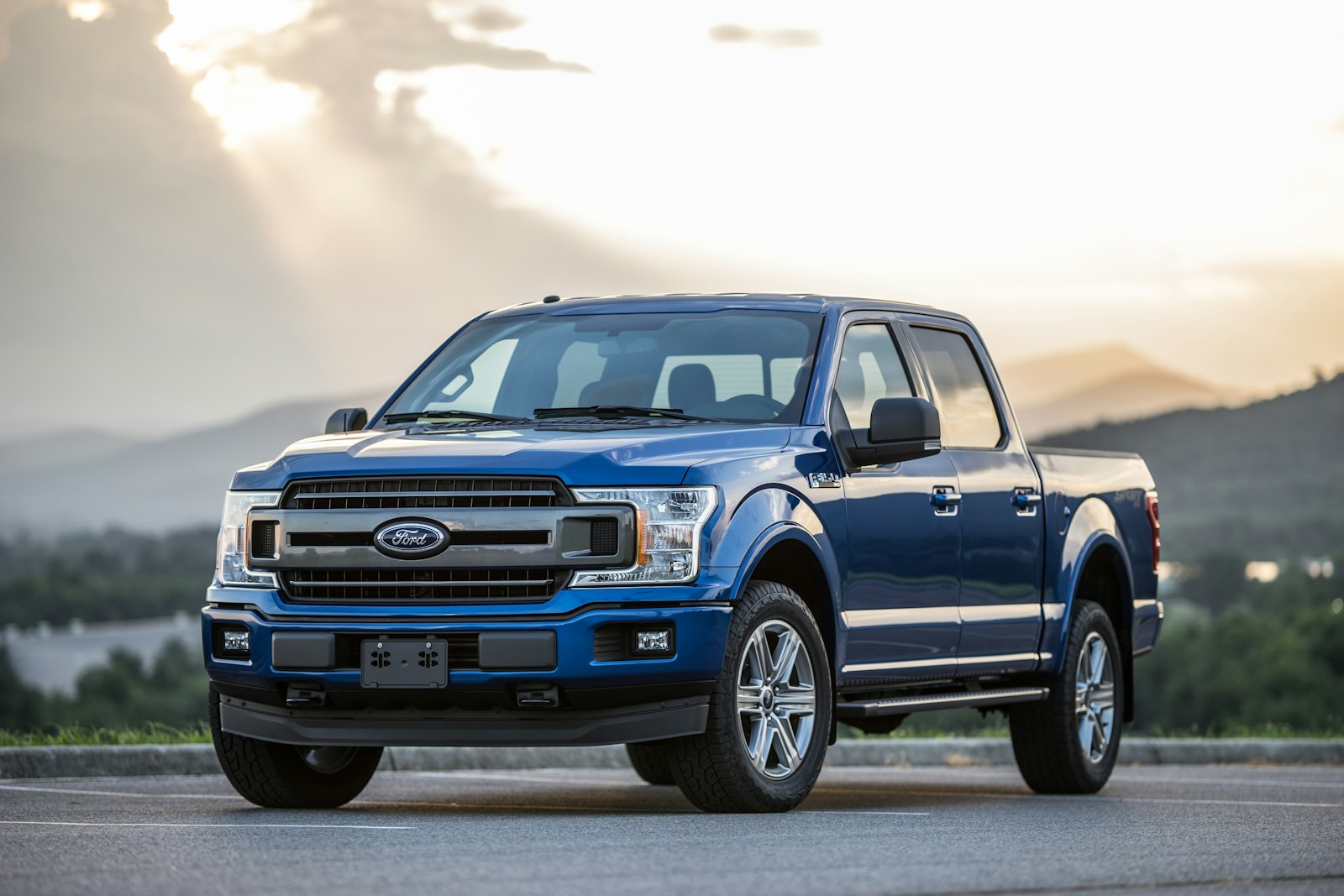
It was a late-model pickup, the kind with enough chrome and tech to make you forget how expensive tires are. The photos were sharp, not the usual dim driveway shots with a thumb in the corner. The description mentioned “clean title in hand,” “no accidents,” and a few recent maintenance items that sounded just specific enough to earn trust.
The buyer—let’s call him Mark—brought $19,000 in cash because the seller insisted on it, and because Mark didn’t want to lose the deal to someone else. He met the guy in a busy parking lot, did a quick look-over, took it for a spin around the block, and watched the seller pull out paperwork that looked, at first glance, exactly like what you’d expect. Twenty minutes later, Mark was driving home in his new truck, feeling like he’d threaded a needle.
The Sale That Felt “Too Easy”
The seller had a whole routine. He showed up on time, friendly but not overly chatty, dressed like someone who could plausibly own the truck—work boots, ball cap, a little sunburned. He said he was selling because he’d “downsized” after a move, and he didn’t want to deal with tire-kickers at his house.
Mark asked the basic questions people ask when they’re trying to be careful without sounding paranoid. Any liens? Any accidents? Why cash only? The seller didn’t flinch; he said he’d had buyers back out after wasting his weekend, and cash meant the deal was done.
He handed over what looked like a clean title with a matching name and a VIN printed on it. He even had a bill of sale template already filled out, like he’d done this before. Mark noticed the seller was oddly insistent about wrapping things up quickly—“I’ve got to pick up my kid,” “I’m already running behind”—but Mark chalked it up to normal life stuff.
When Mark counted out the cash, the seller didn’t do anything weird like lick his finger or slowly peel bills like a movie villain. He just ran through it fast, tucked it into an envelope, and signed where he was supposed to sign. They shook hands, Mark got the keys, and the seller walked away with that clipped, efficient stride of someone who’s happy to be done with you.
The First Red Flag Shows Up in the Driveway
The thing about buying a car privately is that the relief doesn’t last. You drive home, park it, and your brain starts replaying every detail you didn’t double-check. Mark stood in his driveway doing that exact mental rewind, staring at the truck like it might confess something if he looked hard enough.
He decided to do the responsible follow-up: get insurance squared away and start the registration process first thing the next day. He wasn’t panicking yet—just doing the adult stuff you do after a big purchase. The truck sat there looking innocent, clean interior, no warning lights, nothing that screamed “problem.”
At the DMV, though, the vibes shifted. The clerk typed in the VIN from the title, clicked around, and got that tight, careful face people get when they’re about to tell you something that’s going to ruin your afternoon. She asked Mark to repeat the VIN, then asked if he had the vehicle with him.
Mark joked nervously that it was in his driveway, expecting some minor paperwork issue. Instead, the clerk told him the VIN tied to a vehicle that had been declared a total loss. Not “salvage title” in a fixable way—a straight-up totaled car, written off, processed through the system as done.
The VIN Doesn’t Match the Truck in the Photos
Mark went home and did what he should’ve done before handing over a pile of cash: he checked the VIN stamped on the truck itself. He looked at the little plate at the base of the windshield, then the sticker inside the driver’s door jamb. Both matched each other.
They did not match the title.
Now he’s in that uniquely nauseating situation where every option is bad. If he calls the seller, maybe it’s a mistake—maybe the seller grabbed the wrong title, maybe there’s an explanation. But if it’s not a mistake, Mark is now the guy sitting on stolen property, with a fake title in his hand, and the clock is ticking from the moment he starts asking questions.
He messaged the seller anyway. Friendly at first: “Hey, quick question, I think there’s a mismatch on the VIN.” The message showed “delivered,” then “seen,” and then… nothing. Mark tried calling. The phone went straight to voicemail. He refreshed the Facebook listing, and it was gone.
Then his entire chat thread with the seller disappeared like it had never existed. Not “blocked” in a dramatic way—more like the profile had been nuked or renamed. The only thing Mark still had was the bill of sale, the title, and a sinking feeling that none of it mattered.
Two States Away, Someone Else Is Looking for That Truck
Mark did what most people do when they stop hoping it’s a misunderstanding: he called the police. The first officer who came out treated it like a civil issue at first, which is exactly the kind of response that makes your blood pressure spike when you’re trying to explain that you did not casually spend nineteen grand on a felony.
But when they ran the VIN off the truck itself, everything snapped into focus fast. That VIN was active in a stolen vehicle report—filed two states away. Not weeks ago, either. Recently enough that the original owner was still in the “calling insurance every day” phase.
The title Mark had been handed wasn’t for this truck at all. It belonged to a different vehicle—one that had been totaled and essentially “dead” in the system, which is exactly why it’s useful to someone trying to launder a stolen vehicle. A totaled VIN doesn’t raise the same flags in casual checks, and a convincing piece of paper with a state seal goes a long way when someone wants to move fast and keep you from asking too many questions.
Mark walked the officer through the sale: the parking lot meet-up, the envelope of cash, the seller’s name on the title. The name looked real enough, but that doesn’t mean it was. The bill of sale had a signature that could’ve been anyone’s, and the phone number was already dead.
Now there was a truck in Mark’s driveway that wasn’t his truck. He could touch it, sit in it, smell the air freshener the thief probably added to make it feel “normal.” But legally it belonged to someone else, and Mark was basically renting space in his own head for the sound of a tow truck that hadn’t arrived yet.
The Part Where Everyone Loses Something
The police told Mark what he didn’t want to hear: the truck would likely be recovered and returned to its rightful owner or the insurance company. Mark could file a report, cooperate, and try to help build a case, but his $19,000 wasn’t going to come back with the vehicle. That money was gone in the way cash is gone—instantly and completely.
Mark tried to see if there was any trail to follow. The parking lot had cameras, maybe. The seller had driven something else there, maybe. But private-sale scammers rarely show up without layers between them and consequences, and the ones who do this with expensive trucks tend to know exactly which cameras don’t work and which angles hide a plate.
He checked the title again, staring at it like it might change. It had the right weight, the right official look, the kind of document you’re trained to respect because it’s printed like money. That’s what messed with him the most: he hadn’t ignored obvious warning signs so much as he’d been handed a prop that exploited his trust in normal systems.
Meanwhile, the actual owner of the stolen truck wasn’t some faceless entity in another state. It was a person who’d walked outside one morning and found an empty spot where their vehicle had been. Mark wasn’t mad at them, but he couldn’t stop feeling like he’d been turned into the villain in someone else’s nightmare.
By the end of it, Mark had the kind of paperwork you can’t use and the kind of story that doesn’t sound real until you’re living inside it. The seller was still gone, the profile still deleted, the phone still dead. And the truck sat there for a day or two like a cruel joke—perfectly fine, perfectly drivable, and completely untouchable—while Mark waited for someone to come take it away, knowing the only thing that was truly his now was the empty space where $19,000 used to be.