
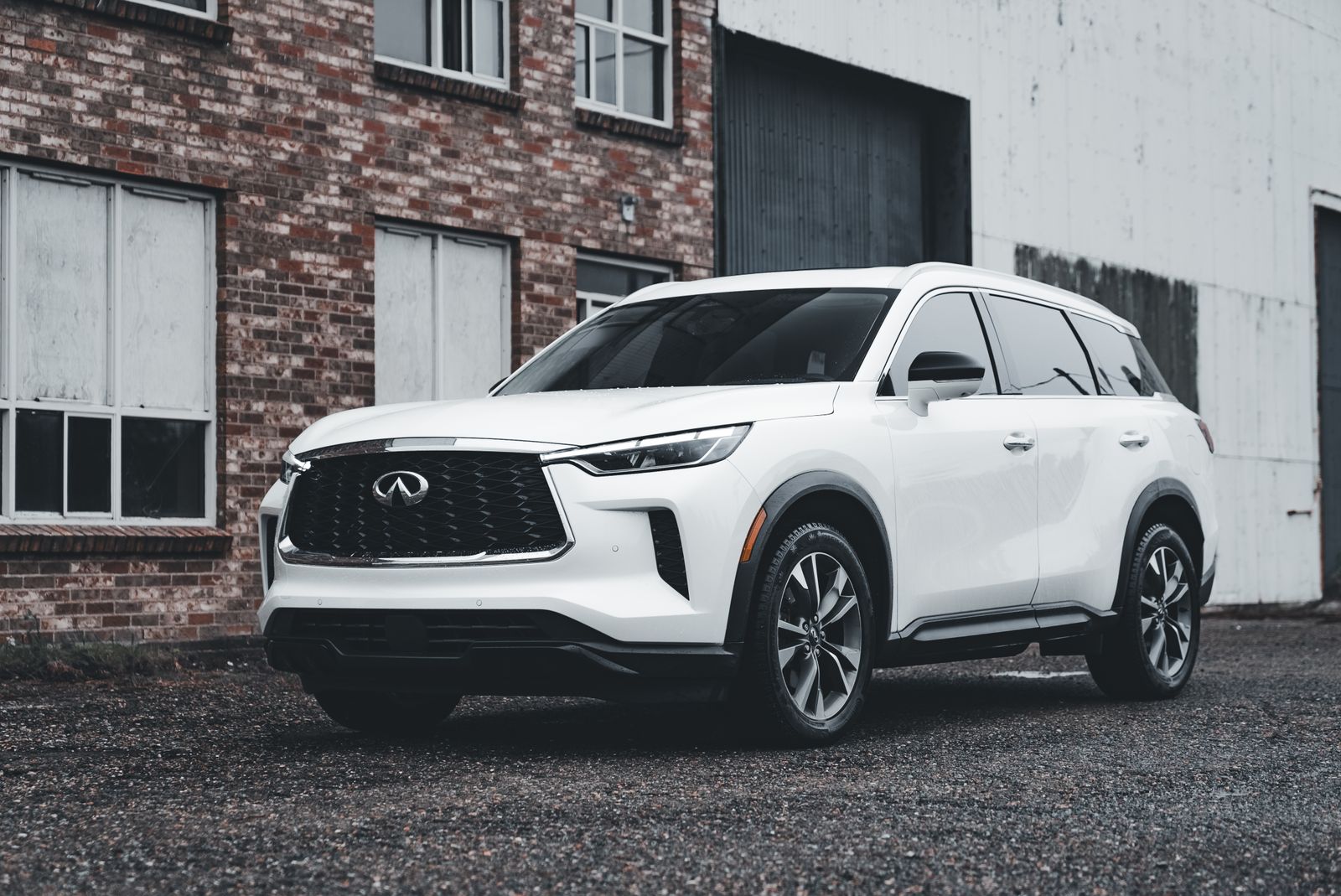

They’d been planning the road trip like it was a second holiday. New playlists, cooler packed, the kids arguing over who got the window seat before the vehicle even existed. The only missing piece was an SUV big enough to swallow luggage, snacks, and two car seats without feeling like a game of Tetris.
So when they found a dealership an hour away with a wall of five-star reviews—“family-owned,” “no pressure,” “we drove two hours and it was worth it”—it felt like a safe bet. The SUV wasn’t brand-new, but it was exactly what they wanted: roomy, clean, supposedly “just serviced,” and priced low enough that they could still afford hotels that weren’t off the highway behind a gas station.
Day three after buying it, the transmission failed in the middle of a left turn. One second it was doing what SUVs do, the next it was revving without moving, like the car had decided the concept of “gear” was optional. They got it limped into a parking lot, and that’s when the dealership’s whole vibe—friendly, responsive, “call anytime”—started evaporating.
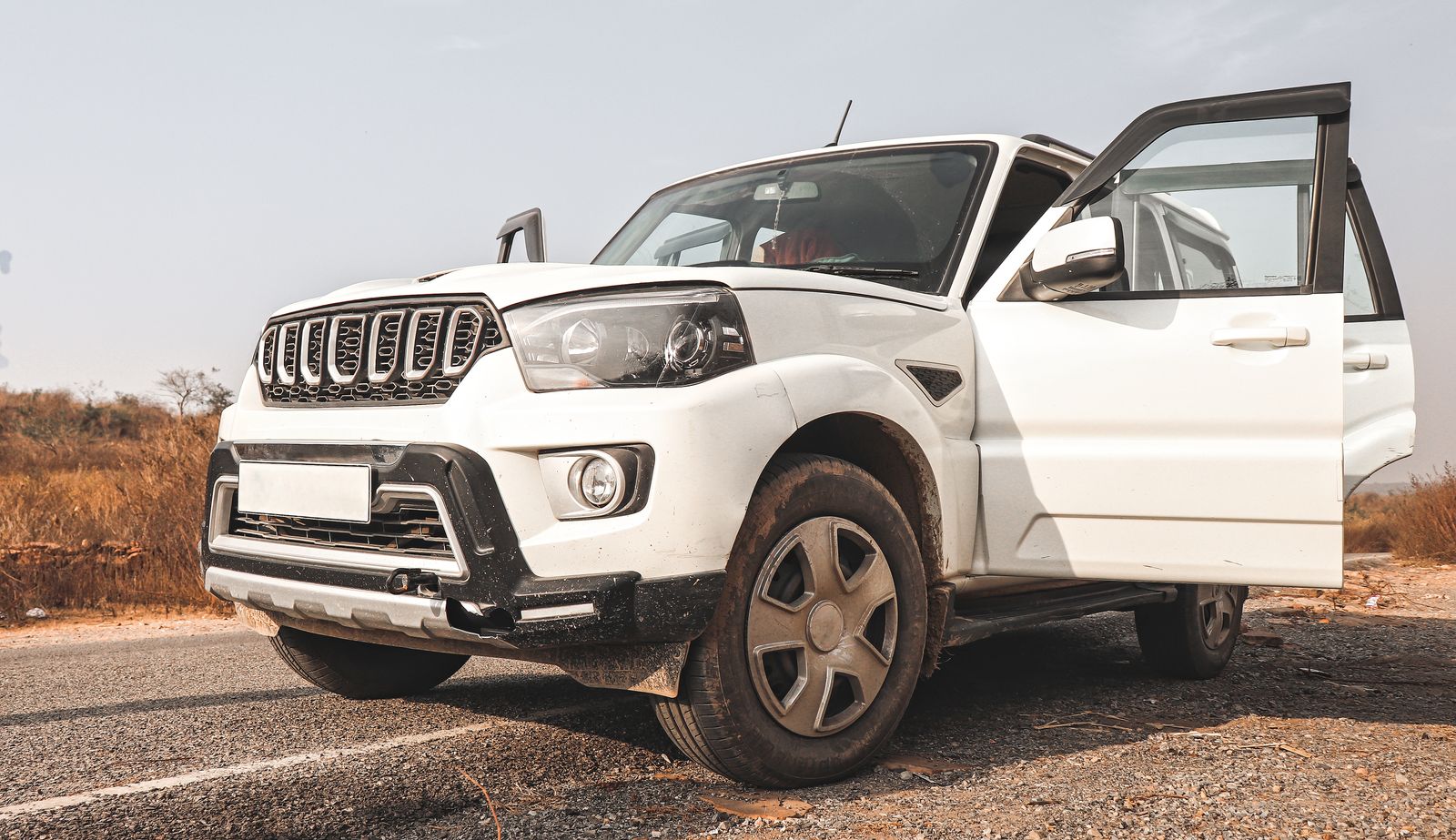
The five-star place with the smiling photos
The dealership had that carefully maintained, small-town trust aesthetic. Photos of the owners at a local charity event, handwritten “thank you” notes taped to a corkboard, balloons tied to side mirrors in the lot. The family walked in expecting the usual sales pitch, but instead got offered water and a “take your time” tour around the SUV.
The salesperson, a guy with the kind of calm voice that makes you feel rude for asking questions, had answers ready for everything. Yes, it had a clean history. Yes, they’d “just put it through inspection.” Yes, if anything felt off, they could call and “we’ll take care of you.” The parents did what people do when they want to believe something is simple: they believed him.
They test drove it around surface streets, over a couple speed bumps, and onto a short stretch of highway. It felt fine, maybe a tiny shudder when it shifted, but the salesperson said that was “just these transmissions learning your driving.” The dad filed that away under “new-to-us car quirks” and signed the paperwork with the kind of relief you get when a big errand is finally done.
Day one and two: normal, almost smug
The first day after buying it was the honeymoon. They drove it to get dinner, the kids climbed in like it was a spaceship, and the mom talked about how nice it was not having backpacks piled on her lap. The dad even sent a picture of the SUV to his brother with a caption that basically translated to: “We did it. We’re adults. Look at our sensible vehicle.”
Day two was errands and packing. The SUV swallowed a stroller, suitcases, and a bag of stuffed animals without complaint. It ran well enough that the earlier shudder started to feel like paranoia, the kind of thing you imagine after reading too many “used car horror story” threads.
They were supposed to leave for their trip the next morning. The plan was to get up early, hit the road before traffic, and stop at that famous breakfast place a few hours out. The SUV was parked in the driveway like a promise.
Day three: the moment it stops being their car
It happened on a quick run to grab last-minute stuff—ice, extra phone chargers, the specific brand of motion-sickness chews the younger kid would actually take. The dad pulled out of a shopping center, started a left turn, and the engine suddenly raced like it was free-spinning. The SUV lurched, then went limp, the kind of dead weight feeling that makes your stomach drop before your brain has words for it.
He eased it into a nearby lot, hazards blinking, and tried again. Drive didn’t engage. Reverse didn’t engage. It would clunk, hesitate, and then act like the drivetrain had quietly walked off the job. When he popped the hood, there was that faint burnt smell that doesn’t belong in a “just serviced” car.
They called the dealership from the parking lot, expecting annoyance at worst and guidance at best. It went to voicemail. They called again. Voicemail again, the same cheerful recorded message promising prompt help and thanking them for choosing the dealership like it was a joke aimed directly at their afternoon.
“Just get it towed and we’ll figure it out” turns into nothing
Eventually, the salesperson texted back with a short message: sorry to hear it, “maybe a sensor,” can you get it towed to their service partner. No apology, no urgency, just that breezy confidence that something catastrophic is probably minor if they say it like that. The family was already doing the math: tow cost, rental cost, missed reservations, and the very real possibility their whole trip was about to dissolve into administrative misery.
They got it towed to the recommended shop because what else do you do when the seller tells you where to take the broken thing they sold you? The shop took one look, ran a scan, and said the words no one wants to hear: the transmission was failing and it wasn’t a cheap fix. Not “maybe,” not “let’s see,” but a sober, experienced “this is not okay.”
The dad called the dealership with the diagnosis. Straight to voicemail. He tried the main line. Voicemail. He tried the salesperson’s direct number. It rang once and then went quiet like someone hit ignore. He left a message anyway, that careful, polite kind where you’re still pretending everyone’s reasonable: “Hey, we have it at the shop you told us. They’re saying transmission. Please call back.”
Then the tone shifted. The mom called from her phone. Voicemail. She called from her work line. Voicemail. They emailed the general inbox with the diagnosis and the tow receipt attached. An auto-reply came back saying they’d respond within 24 hours.
The dealership’s “five-star” mask slips in slow motion
The next day—day four—they drove to the dealership in a friend’s car because waiting for a callback was starting to feel like waiting for permission to be angry. The lot was open. The lights were on. A different employee walked past the window, looked at them, and didn’t hurry to greet them like they had on purchase day.
Inside, the atmosphere was suddenly all edges. Someone said the manager was “in a meeting.” Someone else said the salesperson was “out.” The dad explained, calmly at first, that the transmission had failed three days after purchase and that they’d followed instructions exactly. The employee nodded the way people nod when they’re trying to look sympathetic while also building a wall.
When the dad asked what the dealership was going to do, the employee slid into procedural language. They’d have to “review the file.” They’d need “documentation.” If the car was sold “as-is,” their hands were tied, though they’d “see what we can do.” It was the kind of answer that sounds like a conversation but is really just a way to end one.
And then came the weirdest part: the sudden insistence that the shop they’d been told to use wasn’t “their” shop. Same shop name the salesperson texted, same address, but now it was described like an unrelated third party. The family realized they’d wandered into that classic scenario where everyone can say they never promised anything, even if the texts exist.
Meanwhile, the trip falls apart and the silence gets louder
The road trip was supposed to start with sunrise and coffee. Instead, it started with cancellations and a rental car hunt during peak season, the kind where everything left is either tiny or priced like a luxury yacht. The kids didn’t get the grand adventure; they got hushed conversations and parents whisper-arguing about money in the kitchen.
The shop wouldn’t start the repair without authorization, and they weren’t going to float thousands on a maybe. The dealership kept not calling back, and when they did respond—sporadically, via short emails—it was always with one more hoop. “Send the estimate.” “Send the diagnostic report.” “We need to talk to our warranty company,” even though the family hadn’t been sold any meaningful warranty beyond vague reassurances in the showroom.
The dad started noticing little things he hadn’t wanted to see before. The bill of sale language. The way the salesperson had said “we’ll take care of you” without saying what that meant. The reviews that now looked a little too uniform, a little too enthusiastic about “great communication,” like they were describing the exact thing missing when it mattered.
Every time the family tried to escalate—asking for the general manager, asking for the owner, saying they’d be forced to pursue other options—the dealership’s responsiveness shrank. Calls went unanswered. Texts got a thumbs-up reaction and no actual response. The silence became part of the strategy, a way to make the problem feel like the family’s problem, not the dealership’s.
By the end of the first week, the SUV was still sitting at the shop, immobile and expensive, and the family was stuck in a weird limbo where they technically owned a car but couldn’t use it. The dad had a folder of screenshots, receipts, and timestamps like he was building a case file, not planning a vacation. What made it sting wasn’t just the failed transmission—it was the way a place that built its whole brand on being trustworthy seemed to vanish the second trust got inconvenient.