

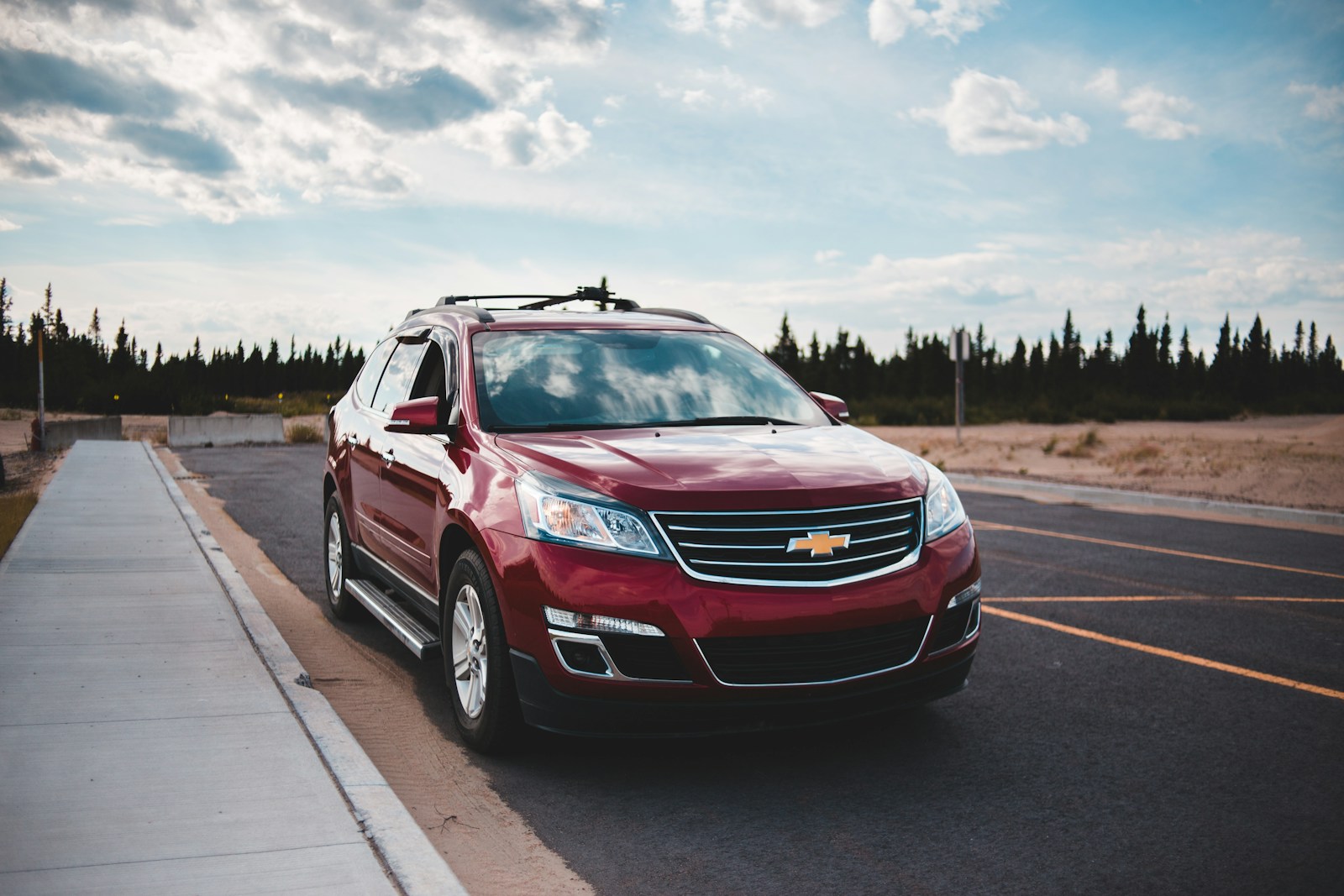
They didn’t buy the used SUV because it was fun. They bought it because their old sedan was starting to feel like a tin can every time they merged onto the highway with the kids in the back.
So when a clean-looking, mid-size SUV popped up at a dealership about forty minutes away—reasonable miles, newer model year, the kind of “family safe” vibe that sells itself—they went to look. The salesperson did the whole practiced routine: one-owner energy, “drives like new,” and a vehicle history report printed out like a certificate of innocence.
The report was the big selling point. No accidents. No major damage. No red flags. The family sat there in that little glass office, nodded at the paper, and felt the specific kind of relief people feel when they think they’ve avoided getting played.
The SUV That Looked “Too Clean”
The test drive was uneventful in the way people want test drives to be. No weird clunks, no pull in the steering wheel, no warning lights blinking like a Christmas tree. The interior even smelled more like “previous owner used air fresheners” than “mystery leak.”
They did their due diligence, at least the version most normal buyers can manage. They checked the tires, looked under the hood, and crouched down to peek at the frame like they’d seen someone do on a video. The dealership offered a short warranty, and the salesperson kept coming back to the report like it was the final word: clean history, clean car.
It wasn’t the cheapest SUV on the lot, but it sat in that sweet spot where you pay extra to avoid drama. They signed the paperwork, handed over the down payment, strapped the kids into the back, and drove home feeling like they’d just done something responsible.
The First Hint Wasn’t a Noise—It Was a Weird Feeling
For the first week, it was fine. Then little things started showing up, the kind of stuff you can rationalize if you want to. A faint wind noise on the passenger side at highway speed, like a window wasn’t sealed all the way.
One evening it rained, and the wife noticed the passenger floor mat felt damp when she slid it forward to vacuum. Not soaked, not an obvious “your car is leaking” situation—just that unpleasant squish that makes you stop and stare at the carpet. The husband chalked it up to a kid spilling a bottle or snow from someone’s shoes, because that explanation was easier to live with.
But then the rear hatch started sticking slightly, not enough to fail, just enough to make you do the two-handed shove that makes you mutter under your breath. And the more they used the SUV, the more it felt like it had a personality they hadn’t paid for.
The Body Shop Visit That Changed the Mood
They finally decided to get it checked when the wind noise turned into a low whistle. Not constant, but loud enough that the husband found himself adjusting the mirror and pressing on the door panel like he could fix it with hand pressure. They booked an appointment at a local body shop because it felt like a seal or alignment issue, something simple and fixable.
The body shop guy—older, blunt, the kind of person who doesn’t soften sentences—took one slow walk around the SUV and didn’t say much at first. He ran a hand along the passenger-side door seam, paused at the front fender, then crouched near the wheel well and squinted. When he finally spoke, it wasn’t, “Yep, we can fix that.” It was, “Did you guys buy this used?”
They told him yes, recently, clean report and all. He nodded like he’d heard that part before, then asked if they had time for him to put it up on the lift. The wife later said she felt her stomach drop at the word “lift,” because lifts are for problems you can’t ignore.
Underneath, the story changed. The shop pointed out hardware that didn’t match the factory side, fasteners that looked newer, paint texture that wasn’t consistent, and a section of undercoating that had that slightly too-fresh look. Then he tapped near a structural point and explained—carefully, but firmly—that there were signs of prior impact.
“No Accidents” Meets “Here’s the Repair Work”
The family did what people do when they’re not ready to accept the thing in front of them: they asked if it could’ve been minor. A scraped bumper, a fender bender, something cosmetic that didn’t matter. The body shop guy didn’t get dramatic; he just kept pointing at evidence like he was building a case.
The passenger-side door had been off. The front fender had likely been replaced or heavily worked. There were paint blend lines that suggested a larger repaint area than a little scratch would require. He couldn’t swear to the exact crash without seeing before-and-after photos, but he didn’t have to—he was looking at the aftermath in metal and paint.
Then he said the sentence that really made the room go quiet: this kind of damage doesn’t always show up on the history report. Not if it was repaired outside insurance, not if it was handled by a shop that didn’t report, not if the owner paid cash, not if the paperwork never made it into whatever databases those reports pull from. “No accidents,” he basically implied, sometimes just means “no paperwork.”
The husband pulled up the report on his phone right there, scrolling like the screen would suddenly confess. It stayed bland and clean, the same reassuring blocks of text that had convinced them to buy it. The wife asked the body shop to print what he found, and he said he could document his observations, but it wouldn’t magically turn into an official crash record.
The Dealership Call That Turned Into a Standoff
On the drive home, the SUV felt different, like it had betrayed them by existing. Every gust of wind was louder. Every bump felt suspicious. Their whole reason for buying it—safety—was now tangled up in the question of what exactly had happened to it before they got it.
They called the dealership as soon as they got home, speakerphone on, kids in another room. The salesperson stayed calm at first, repeating the same line: the vehicle history report shows no accidents, the SUV passed inspection, and they didn’t have any record of prior damage. It was said like a script because it probably was.
The husband explained what the body shop found, and you could almost hear the salesperson mentally sidestep the details. The dealership offered to “take a look” themselves, which sounded helpful until the wife pointed out the obvious: why would they trust the seller’s inspection now? The conversation shifted from polite to tense in that way where everyone starts talking slower and choosing words like they’re walking through glass.
When the wife asked if they’d accept a return, the dealership’s tone changed. They referred to the signed paperwork and the return policy, which was either nonexistent or so narrow it might as well have been. They offered a service appointment, maybe a small courtesy check, but not the thing the family actually wanted: to undo the whole purchase.
That’s when the husband got sharper, mentioning consumer protection, misrepresentation, and the fact that they bought the SUV based on a safety assumption. The dealership didn’t admit anything, but they did start asking for the body shop’s name and what exactly was said, which felt less like concern and more like damage control.
The Quiet Panic of “What If It Matters?”
Over the next few days, the family did that grim kind of research people do when they realize they may have made a costly mistake. They learned how limited vehicle history reports can be, how repairs can be invisible if they’re handled privately, how some cars get fixed just well enough to sell. They found forums full of people arguing about whether “no accidents” means anything at all.
The body shop offered to do a deeper inspection, but deeper inspection meant more money, and money was the problem that started all this. They debated taking it to a dealership service center, but they worried the dealership would downplay it. They considered hiring an independent inspector, and then wondered if they were just spending more cash to confirm what they already felt.
The wife became hyper-aware of every detail: panel gaps, the way reflections bent on the paint, the hatch alignment. The husband started driving like he was carrying a priceless vase, leaving extra room and avoiding busy roads. It wasn’t just fear of another accident—it was the creeping sense that they didn’t know the true condition of the vehicle they were trusting with their kids.
They went back and forth about whether to push harder with the dealership or go straight to a lawyer. But lawyers cost money too, and nothing about the situation was clean enough to promise an easy win. The dealership could always hide behind “we relied on the report,” and the report could always shrug and say it only knows what gets reported.
In the end, the most maddening part wasn’t even the possibility that the SUV had been in a crash. It was how quickly the family realized they’d bought peace of mind—and peace of mind turned out to be a flimsy piece of paper that didn’t have to be true to be convincing.
They still had the SUV in the driveway, still had payments, still had that whistle at highway speed. Every time they looked at it, the question sat there like a weight: if this is what they can see now, what happened that they can’t see yet—and how much of that “safety” purchase was just a story they were sold?