
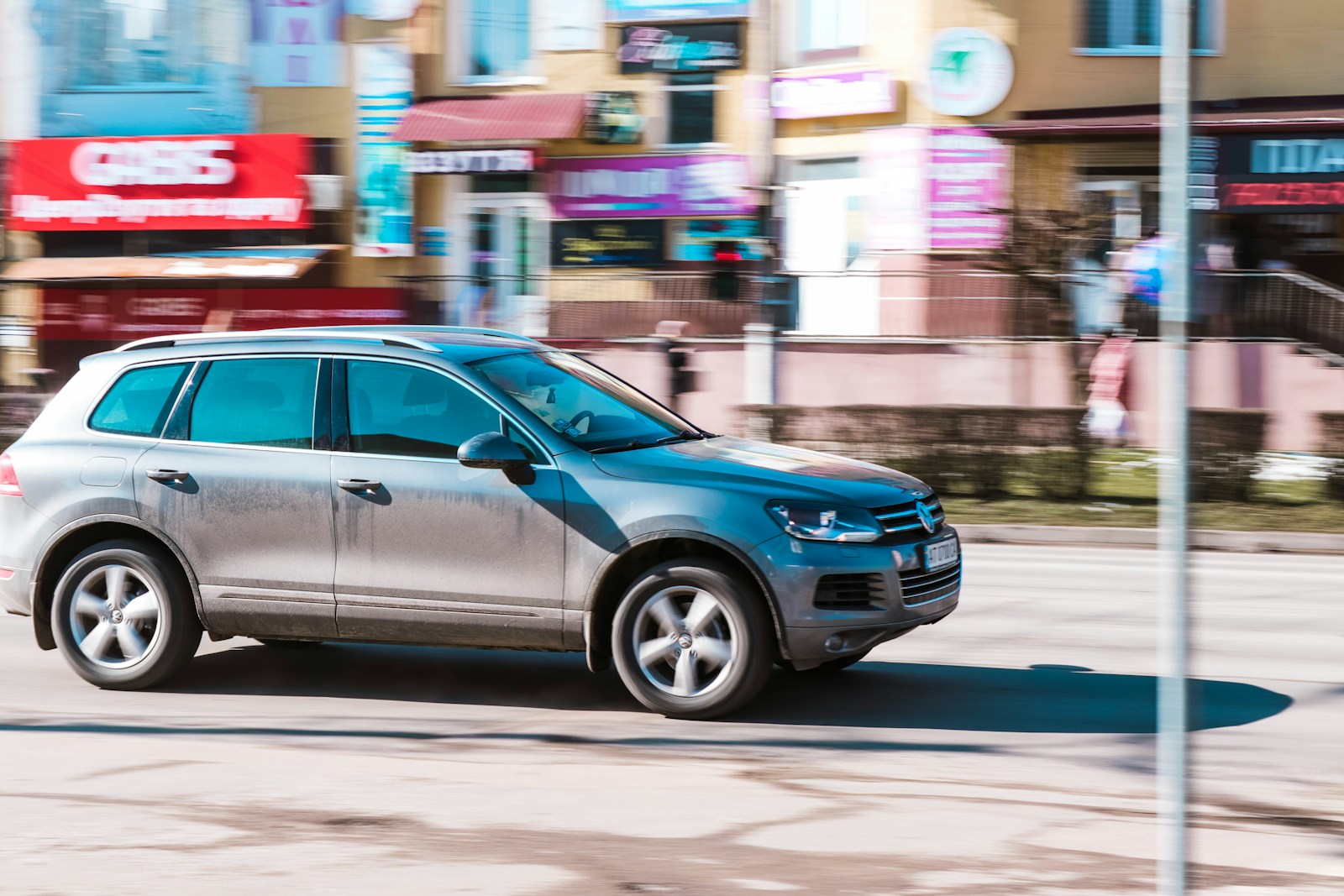

They’d only had the SUV for eleven days, which is that weird honeymoon period where the cabin still smells like plastic and optimism. The family had done the whole “first real outing” thing—errands, a quick lunch, a stop to show it off to a relative who still drives a 2006 sedan out of spite. The parents were already mentally spending the next few years in it: road trips, sports gear, holiday traffic where at least you’re comfortable.
Then, on a regular afternoon with regular traffic, it did the one thing a brand new vehicle is not allowed to do: it shut off. Not sputtered. Not a “check engine” light and a limp mode. Just—dead. In the middle lane, in motion, with people behind them doing the normal human thing of assuming the car in front will continue being a car.
The part that made everyone’s stomach drop later wasn’t just the stall. It was the timing. A recall notice—about an issue that could cause the vehicle to shut off—showed up after the crash. Like the SUV had managed to hold itself together long enough to become an incident, and only then did the mail catch up.
The “New Car” Routine Before It Turned Weird
According to the family, there were no big red flags leading up to it. The SUV had a few hundred miles on it, tops, and everything about it felt normal in that modern, slightly over-computerized way: push-button start, big screens, lane assist that tugged at the wheel like a nervous passenger. They’d joked about how the car basically had opinions.
That day, the parents were up front and one of the kids was in the back with a half-finished drink from a drive-thru. The route was familiar—multi-lane road, stoplights, that slow churn of cars where nobody’s really going fast but nobody’s really relaxed either. You don’t “brace” for anything on a drive like that, because it’s the definition of boring.
The driver later described the first sign as a feeling more than a warning: the steering got heavy, the dashboard lit up in a way that didn’t make sense, and the engine sound disappeared mid-roll. They tapped the gas and got nothing. No gradual dying, no dramatic clunk—just silence and the sudden realization that being in traffic without power is a special kind of helpless.
It Dies in the Worst Possible Place
The SUV was still moving from momentum, which almost made it more surreal. The driver tried to guide it toward the shoulder, but the lane was boxed in and the steering was fighting them without power assist. Hazard lights were the first instinct, but even that became a question of “are they actually on?” because everything electrical suddenly felt suspect.
Cars behind them reacted the way drivers always do: some braked, some swerved, and at least one person leaned on the horn like it could restart an engine. A driver in the next lane apparently rolled down their window and yelled something that wasn’t helpful, because of course they did. The family could see faces in mirrors—the mix of annoyance and confusion that turns into anger the second someone thinks you’re blocking them on purpose.
The driver tried the start button again while rolling, then once more after it slowed almost to a stop. Nothing. The SUV wasn’t just stalled; it felt locked out, like it had decided to be a very expensive paperweight in the middle of the road.
That’s when the impact happened. Someone behind them didn’t stop in time—whether they were following too closely, looking down for a second, or just didn’t process that a brand new SUV in front of them would suddenly become stationary. The collision wasn’t described as catastrophic, but it was hard enough to jolt everyone forward, hard enough to turn a tense moment into a panicked one.
After the Hit: The Awkward, Panicky Logistics
The immediate aftermath had that frantic, disorganized feel accidents always do, where nobody knows what order to do things in. The driver’s hands were shaking when they reached for a phone. The passenger was doing the “is everyone okay?” check, half twisted toward the back seat, trying to keep their voice even for the kid.
Traffic stacked up fast, and the family could feel the pressure of being the reason the road was now a mess. The other driver got out looking furious, then visibly recalibrated when they saw there were kids involved. The anger didn’t disappear, but it shifted into that tight-lipped “I’m not the villain here” stance people take when they’re about to say something they know will sound bad.
The SUV still wouldn’t restart. That detail kept coming up in their retelling, like it mattered morally, not just mechanically: they weren’t sitting there because they froze or forgot how to drive. They were trapped in a dead vehicle that had no business being dead.
Eventually they got it moved—some combination of a push, a tow, and that humiliating moment of strangers directing you with hand gestures while you nod like you’re not overwhelmed. The family did the standard rounds: exchange information, call insurance, get checked out. The kid in the back seat apparently stayed quiet in a way that worried the parents more than crying would’ve.
The Dealership Dance and the “No Codes Found” Vibe
Once the shock wore off, the family did what people are told to do: take it to the dealership and let the professionals figure it out. They expected the kind of clear answer you get with new vehicles. Something logged. A straightforward “here’s what failed.” Maybe even an apology with a loaner car and a promise to make it right.
Instead, the early conversations sounded like the usual frustrating loop: the service advisor asked a lot of questions that made it feel like they were being gently interviewed for user error. Did you press the brake fully? Were you in the right gear? Did anything spill near the console? The family kept coming back to the same point—this thing shut off while driving, and then it wouldn’t restart, and then they got rear-ended. That shouldn’t require detective work.
They said the dealership initially couldn’t replicate the problem. That’s the nightmare scenario for a safety issue, because now you’re stuck in a fog where the car can be “fine” until it isn’t, and you’re the one who has to decide whether you’re willing to put your family back in it. The vibe was less “we’re alarmed” and more “we’re not seeing it.”
The family also mentioned that the SUV’s systems didn’t hand over the satisfying “smoking gun” they expected. Modern vehicles collect so much data that people assume the car will rat itself out. But whether it was because the failure was brief, or the logging was incomplete, or the issue sat in some electronic gray zone, they were left feeling like the car had wiped its own fingerprints.
Then the Recall Notice Shows Up Like a Bad Joke
Days after the crash, the mail arrived with a manufacturer recall notice. The letter was polite in that corporate way, heavy on “an abundance of caution,” light on urgency. But the key line—at least as the family read it—was that the SUV could shut off unexpectedly due to a defect tied to a component or software issue.
That was the moment the whole story snapped into a different shape. Up until then, it was an awful incident that could’ve been a weird fluke. The recall made it feel like the SUV had done exactly what it was known to do, except the family was informed after the fact, like someone calling to warn you about a pothole you already hit.
The timing is what got under their skin. The family wasn’t claiming the manufacturer personally waited for them to crash, obviously. But they couldn’t stop thinking about the pipeline that decides when a recall notice is issued, when it’s mailed, and how many people are driving around in the gap between “we know” and “you know.”
They also got stuck on the surreal contrast: they were dealing with insurance adjusters, repair estimates, and the lingering fear of putting their kid back in that car, while the letter read like routine maintenance. “Schedule a service appointment.” As if the SUV hadn’t already scheduled one for them by quitting in traffic.
Where It Leaves Them: Paper Trails, Phone Calls, and a Car They Don’t Trust
From there, the conflict turned into paperwork and persistence, which is its own kind of exhausting. The family started documenting everything—the date they bought it, the mileage, the exact time it stalled, who they spoke to at the dealership, what they were told on which call. They weren’t trying to be dramatic; they were trying not to be steamrolled by the default assumption that a new car is safe until proven otherwise.
Insurance became messy, too. A rear-end collision usually points one direction, but the family felt like they were being asked to argue two separate realities: yes, they were hit from behind, and also yes, the SUV created the hazard by dying without warning. The other driver’s frustration lingered in the background, because even if they were following too closely, it’s hard not to feel like you got dragged into someone else’s mechanical malfunction.
Meanwhile, the dealership’s stance seemed to hover between “we’ll apply the recall fix” and “we can’t confirm that’s what happened.” That nuance matters if you’re the one who has to strap your kid in and merge into traffic again. A repaired car is not the same thing as a trusted car, especially when the failure mode is random and dangerous.
And that’s where the story lands, still unresolved in the way these things often are. The family has a brand new SUV that already betrayed them once, a recall notice that arrived like an after-the-fact alibi, and a growing suspicion that the hardest part won’t be fixing the vehicle—it’ll be getting anyone to fully own what it means when a car can shut off without warning, right when you’re counting on it most.
More from Steel Horse Rides: