

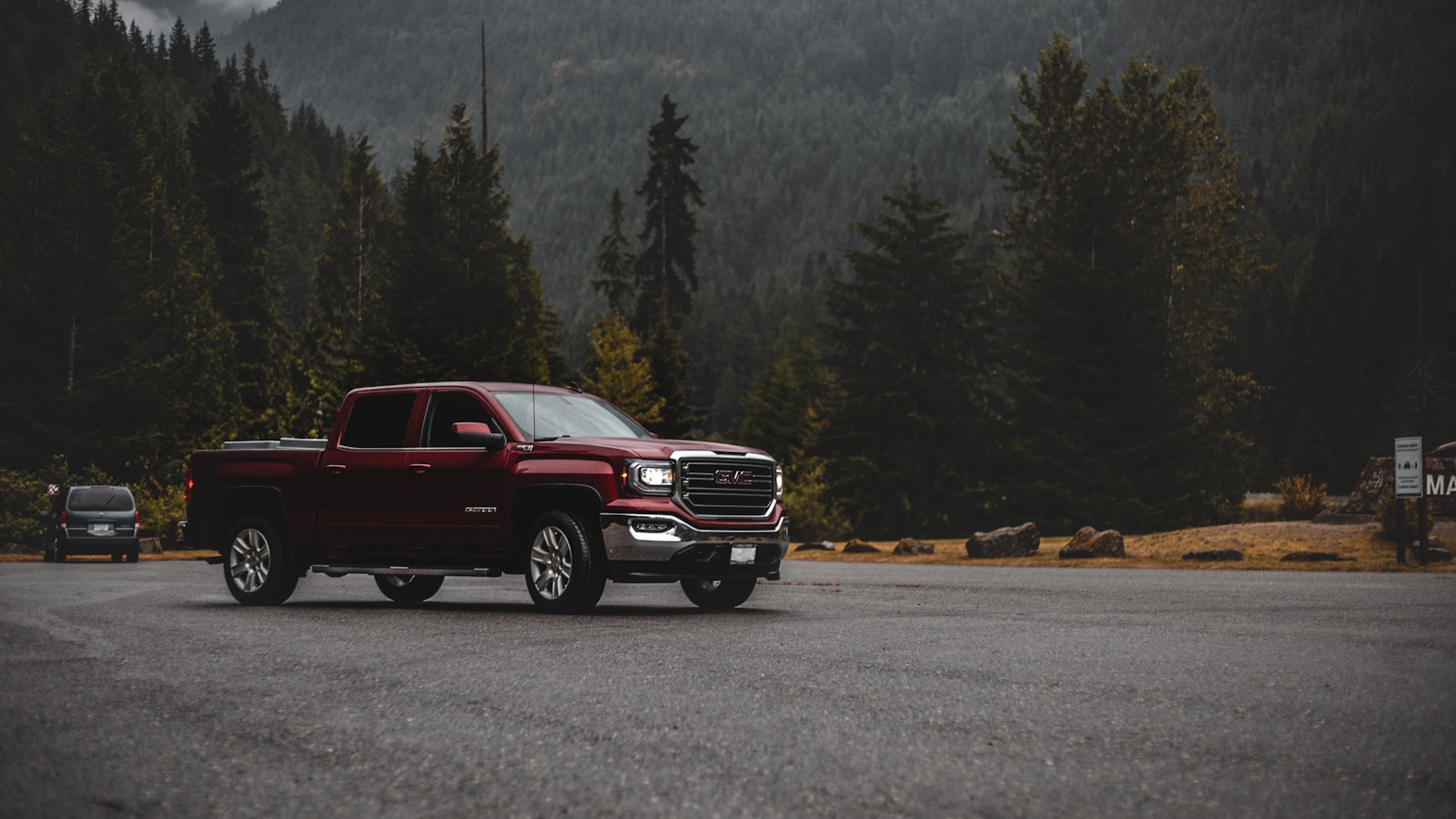
They bought the truck the way people buy a big life change: half excited, half terrified, and clinging to one key promise to make it all make sense. The family had a camper picked out, campground dates penciled in, and a whole “this is us now” plan built around finally getting something that could tow without drama. The dealer knew that from the first conversation, because they said it out loud, more than once.
The pitch was simple and clean: new truck, “camper-ready,” tow package included. It was the kind of phrase that sounds like it belongs on a window sticker in big friendly letters, the kind you repeat back to your spouse on the ride home like proof you’re not about to light a pile of money on fire. So when they signed, it wasn’t just for a vehicle—it was for a whole setup that was supposed to be ready to hitch up and go.
Then, after the pictures in the driveway and the initial new-truck glow wore off, one small practical question started ruining everything: where, exactly, was the tow package they’d been promised?
The “We Told You What We Needed” Conversation
The family’s version of the timeline starts with them being almost annoyingly clear. They weren’t casually browsing for a truck that might someday pull a little trailer; they were shopping for a truck specifically because they wanted a camper. They talked numbers—weight, tongue weight, braking—and they asked the kind of questions that make salespeople nod and say, “Oh yeah, you’re good.”
They did what responsible buyers do: they repeated themselves. They asked if it had the tow package, if it was equipped for a brake controller, if it had the hitch receiver and wiring harness situation squared away. Each time, they got the same reassurance, the same smooth confidence that makes you feel slightly silly for worrying in the first place.
And when it came time to seal the deal, the truck was described as “camper-ready” in that loose, conversational way dealerships love—something that sounds like a feature even when it’s not a formal trim level. The family left with the keys believing they’d bought a truck that was ready for the job they’d been talking about the entire time.
The Moment the Story Turns: “Wait, Where’s the Hitch?”
Problems like this don’t usually announce themselves with a dramatic bang. They creep in through a small moment that shouldn’t be stressful—like looking under the rear bumper to see how the hitch is set up. The family did that kind of casual check and immediately felt that little cold drop in the stomach.
Because it wasn’t there. Not in the way it should’ve been, anyway. Maybe there was a basic receiver-looking piece, maybe there wasn’t, but what they expected to see—integrated tow hardware, the right wiring connectors, the kind of setup that signals “factory tow package”—was missing or didn’t match what they’d been sold.
At first they tried to explain it away. New vehicles can have covers, caps, optional accessories, things you don’t notice until you need them. So they started digging through the manual, checking the build sheet if they had it, poking around the cab for the brake controller interface that should’ve been there if the truck was truly tow-package equipped.
That’s when it stopped feeling like a misunderstanding and started feeling like they’d been played.
Back to the Dealer: The Awkward Dance of “I Swear It Had It”
The return trip to the dealership had a totally different energy than the first one. No excitement, no “look at our new truck,” just a tense, practical mission: prove what they were promised and get the truck they actually bought in their heads. They walked in expecting a quick fix, like the dealer would say, “Oh, that’s weird, we’ll take care of it,” and everyone would move on.
Instead, they got the classic dealership shuffle. First, confusion—someone acting like they’d never heard the phrase “tow package” before. Then deflection—questions about what kind of camper, how heavy, whether they were “sure” they needed it. It’s that subtle pivot where the problem quietly becomes the customer’s expectations, not the dealership’s promise.
The family kept it simple: they didn’t buy “a truck that might tow if we throw money at it.” They bought a truck sold as camper-ready, with the tow package included. And they wanted the dealership to either make it true or undo the deal.
That’s when the dealer finally admitted the thing that makes this story sting: the truck didn’t actually have the tow package they were promised.
What “Tow Package” Actually Means When You’re the One Paying
This is the part where people who don’t tow might shrug and think, “Okay, just add a hitch.” But anyone who’s dealt with towing knows the phrase “tow package” is doing a lot of work. It’s not just a metal receiver bolted to the back; it’s wiring, cooling, alternator capacity, software settings, suspension differences, integrated brake controller capability, and the stuff that keeps your transmission from cooking itself on a long grade.
The family wasn’t panicking over aesthetics. They were staring at the possibility that their brand-new truck was fundamentally not what they’d budgeted for—because changing it after the fact can be expensive, messy, and not always equivalent to the factory setup. And if you’re towing a camper with your kids in the cab, “close enough” doesn’t feel like an acceptable plan.
Once the dealer admitted it, the conversation turned from “Can you show us where it is?” to “So what, exactly, are you going to do about this?” That’s where the tone usually changes, because now it’s not a technical question—it’s money, liability, and the dealership trying to limit what it has to admit in writing.
The dealer’s options weren’t great. They could try to install what was missing, if it was even possible to bring the truck up to the promised spec. They could offer some kind of credit or discount and hope the family would just live with an aftermarket setup. Or they could unwind the sale, take the truck back, and swallow the embarrassment and cost.
Why It Got So Personal So Fast
For the family, the frustration wasn’t just about equipment. It was the feeling of being talked into a major purchase by someone who either didn’t understand what they were selling or understood perfectly and hoped the buyer wouldn’t catch it until it was too late. The longer they talked with the dealership, the more it seemed like the “camper-ready” line was a vibe, not a guarantee.
And there’s a particular kind of rage that shows up when you realize you’ve been responsible—clear communication, repeated questions, careful planning—and still ended up in a trap you tried to avoid. Every mile they’d put on the truck, every day it sat in their driveway, quietly made the situation harder to reverse. A new vehicle becomes “used” the second you drive it, and everyone in that dealership knows it.
The family started doing what people do when a business conversation gets slippery: they searched paperwork for exact wording, looked for any text messages or emails mentioning “tow package,” and tried to reconstruct who said what and when. It’s not that they wanted a courtroom battle; it’s that they could feel the story starting to get rewritten in real time. A promise turns into “We discussed towing,” which turns into “We never said it had the package.”
The dealer, meanwhile, had a different kind of urgency. They weren’t just dealing with one unhappy family; they were dealing with a mistake that could become a formal complaint, a manufacturer escalation, or a demand to unwind a sale they’d already booked. So the interaction got that tight, corporate edge—smiles that don’t reach the eyes, “Let me talk to my manager,” and pauses that feel like someone calculating the cheapest exit.
By the time the family left that last conversation, they weren’t sure if they were closer to a solution or just deeper in the mud. The truck was still in their possession, their camper plans were on hold, and the dealership’s admission hung in the air like a half-apology that didn’t come with a fix. And that’s the ugliest part of it: they didn’t just lose time and trust—they lost the feeling that their big new purchase was safe, solid, and exactly what they’d been promised, which is hard to get back even if the dealership eventually makes it right.