
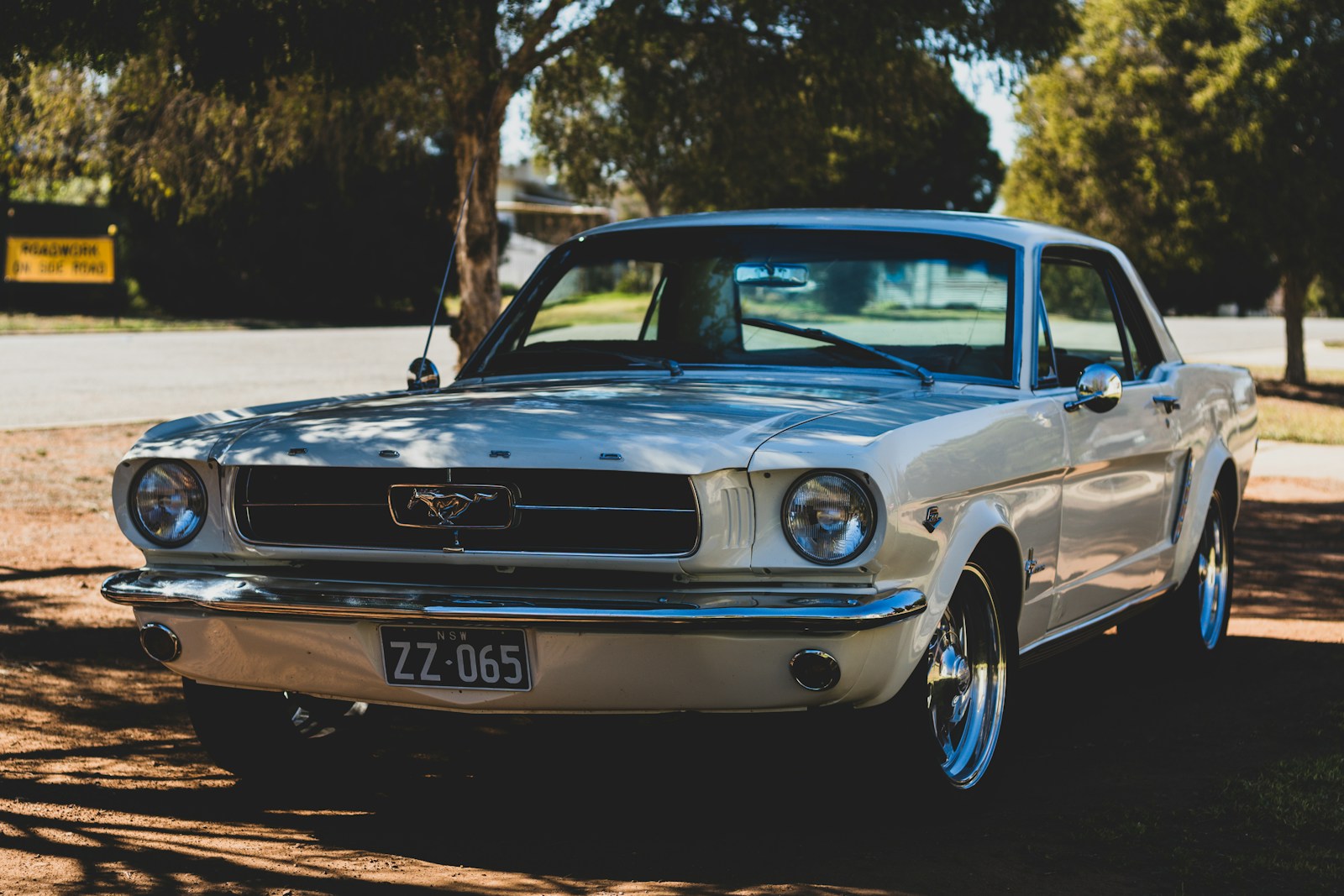

The whole thing started the way a lot of father-son car projects start: a garage that smells like old fuel, a radio fighting with an impact gun, and a 1969 pony car sitting just a little too proud on jack stands. The dad had owned it forever—long enough that it felt less like a car and more like a family member everyone tolerated. The son was home for a stretch and wanted “one solid weekend” of progress, the kind that exists mostly in people’s heads.
They weren’t doing anything exotic. The plan was simple: pull the engine, clean up the bay, and start rebuilding without tripping over the same cracked hoses and mystery wiring for another year. They borrowed an engine hoist—one of those folding cherry pickers with flaking red paint and caster wheels that always seem to find every pebble on the floor. It looked sturdy enough, and nobody wanted to be the guy who overthinks an engine pull.
By mid-morning, the hood was off and leaning against the wall on an old blanket, and the engine was half unhooked. They’d already had one small argument about labeling bolts—dad thought it was unnecessary, son kept dropping hardware into little zip bags like he was defusing a bomb. Every time the son paused to take a picture, the dad made a face like the phone was slowing down the laws of physics.
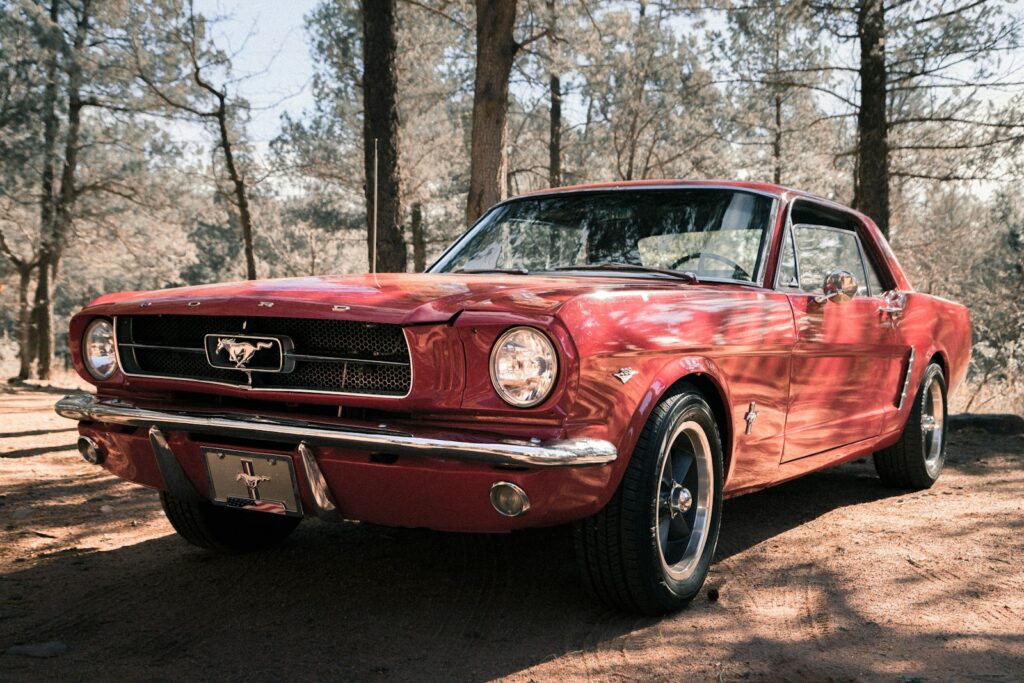
“It’s Just a Small Block, Not a Space Shuttle”
The last pieces came off in that familiar rhythm: radiator out, fan shroud, belts, then the exhaust manifolds that fought like they’d been welded on by spite. The son kept asking if they should drain the transmission or pull it with the engine. The dad insisted they’d separate it, “like always,” which meant neither of them could remember the last time they did it that way without swearing.
They rolled the cherry picker in, legs straddling the front tires, and started threading chains to the lift points. The dad used the chain he’d always used, the one with links a little stretched and a hook that didn’t quite close all the way. The son noticed and said something like, “Do we trust that?” and the dad snapped back that “it’s held worse.”
It wasn’t hostility exactly, more that old-man confidence that gets sharper when someone questions it. The son, trying not to be a pain, backed off and tightened what he could. They both agreed to go slow, but it was the kind of agreement people make right before they hurry.
The First Lift: Everything Looks Fine Until It Doesn’t
They took up slack on the chain and the engine shifted, the mounts groaning like the car didn’t want to let go. The son was leaning over the fender on the passenger side, watching for anything snagging. The dad worked the pump handle, and the engine rose an inch, then two, then four, that heavy block coming free with the exact kind of reluctance that makes you hold your breath.
Once it was clear of the mounts, the engine started to swing slightly, a slow pendulum. The son put a hand on the valve cover to steady it, immediately regretted it when the metal pinched his palm against something sharp, and he jerked back like the engine had bitten him. The dad told him to keep his hands out of there unless he wanted to “leave fingerprints in the casting.”
They were at that stage where the engine is technically out but still trapped by geometry: the angle of the transmission, the firewall clearance, the front crossmember. They needed to lift higher and inch the hoist forward at the same time. That’s always the part where the easy plan starts asking for experience.
The Cherry Picker Finds a Pebble and Makes a Decision
The floor was a typical garage floor—mostly smooth concrete, but with hairline cracks, old oil stains, and a few bits of gravel that had come in on shoes. When they went to roll the hoist forward, one of the front casters hit something and hesitated. The dad gave it a little shove with his hip, the kind of move that says “I’ve done this a hundred times.”
There was a tiny shift in weight that didn’t look like anything until it was everything. The boom was extended pretty far because they needed the reach over the radiator support area. As the hoist’s front wheel climbed over the pebble, the whole frame rocked, and the engine—hanging high and slightly forward—swung just enough to change the center of gravity.
The son saw it first. His stomach dropped because the hoist didn’t just wobble; it started to go. Not fast at first, more like a slow, deliberate lean forward, as if the cherry picker was choosing the exact worst direction to tip. He yelled something—half warning, half disbelief—and the dad instinctively grabbed the boom, like a human arm was going to veto gravity.
Metal-on-Metal, Then That Sickening Pause
When the cherry picker tipped, it didn’t fully faceplant. It pitched forward enough that the engine came down hard on the passenger-side fender edge, the chain going slack for a split second and then snapping tight again. The block slammed into the sheetmetal with a noise that made both of them freeze, not the clang of a dropped wrench but the dull crunch of something expensive bending.
The inner apron—the structure inside the engine bay that’s supposed to stay straight—took the hit next. It wasn’t a dramatic fold like in cartoons; it was worse, a subtle bend that you could feel in your bones because it meant “pulling this straight” wasn’t a simple hammer job anymore. The fender lip buckled, paint cracking in a jagged line like a spiderweb that instantly ruined the day.
For a second, nothing moved. The engine hung there half-supported by the hoist and half resting on the wounded fender, and both of them stared at it like it might apologize. The dad’s face went pale in a way the son had never seen, like someone had reached into his chest and turned off a light.
Then the dad exploded—not at the engine, not at the hoist, but at the son. It was irrational and immediate, the way panic sometimes needs a target. He barked that the son should’ve been steadying it, should’ve been watching the wheels, should’ve said something sooner, even though the son had literally yelled.
The Fight Isn’t About the Fender
The son didn’t take it quietly. He shot back that he’d been asking to do it slower, that he’d questioned the chain, that the hoist was extended too far, that the garage floor was trash and they should’ve laid down plywood. He said it all too fast, like he’d been collecting evidence for weeks and the crash finally gave him permission to present it.
The dad’s voice got that tight, clipped edge people get when they’re trying not to admit fear. He kept saying, “I’ve pulled engines before,” as if the phrase could reverse time and unbend metal. The son pointed at the fender and told him experience didn’t matter if they were improvising with a borrowed hoist and a bad angle.
They ended up doing the saddest version of teamwork: both of them silently working around each other to get the engine stabilized. The son slid a floor jack under the oil pan with a block of wood, praying it wouldn’t slip. The dad adjusted the boom and pumped it again, every movement careful now, because the worst part wasn’t the damage—it was that they’d just learned how close they’d come to crushing a hand, a leg, or both.
Once the engine was finally free and sitting on a stand, the garage went quiet in that heavy way. The dad kept staring at the bent inner apron, running his fingers along the crease like he could smooth it out by will. The son washed his hands at the utility sink for an unreasonably long time, watching black water spiral down the drain and trying to calm his breathing.
They didn’t call it a day, but they stopped doing anything meaningful. The dad muttered about how the fender had “always needed work anyway,” which wasn’t comfort, it was bargaining. The son said, a little too evenly, that bodywork is different than mechanical work and they’d just made their project bigger in the one way neither of them had time for.
Later, when the tools were put away with more force than necessary, the dad said he didn’t want to hear “I told you so.” The son didn’t say it, but he also didn’t soften, because the real sting wasn’t the bent metal—it was how quickly his dad’s pride turned into blame. They stood in the garage doorway looking at the wounded engine bay, and you could feel it hanging between them: the question of whether this was still a shared project, or just a place where old habits go to collide with gravity.
More from Steel Horse Rides: