
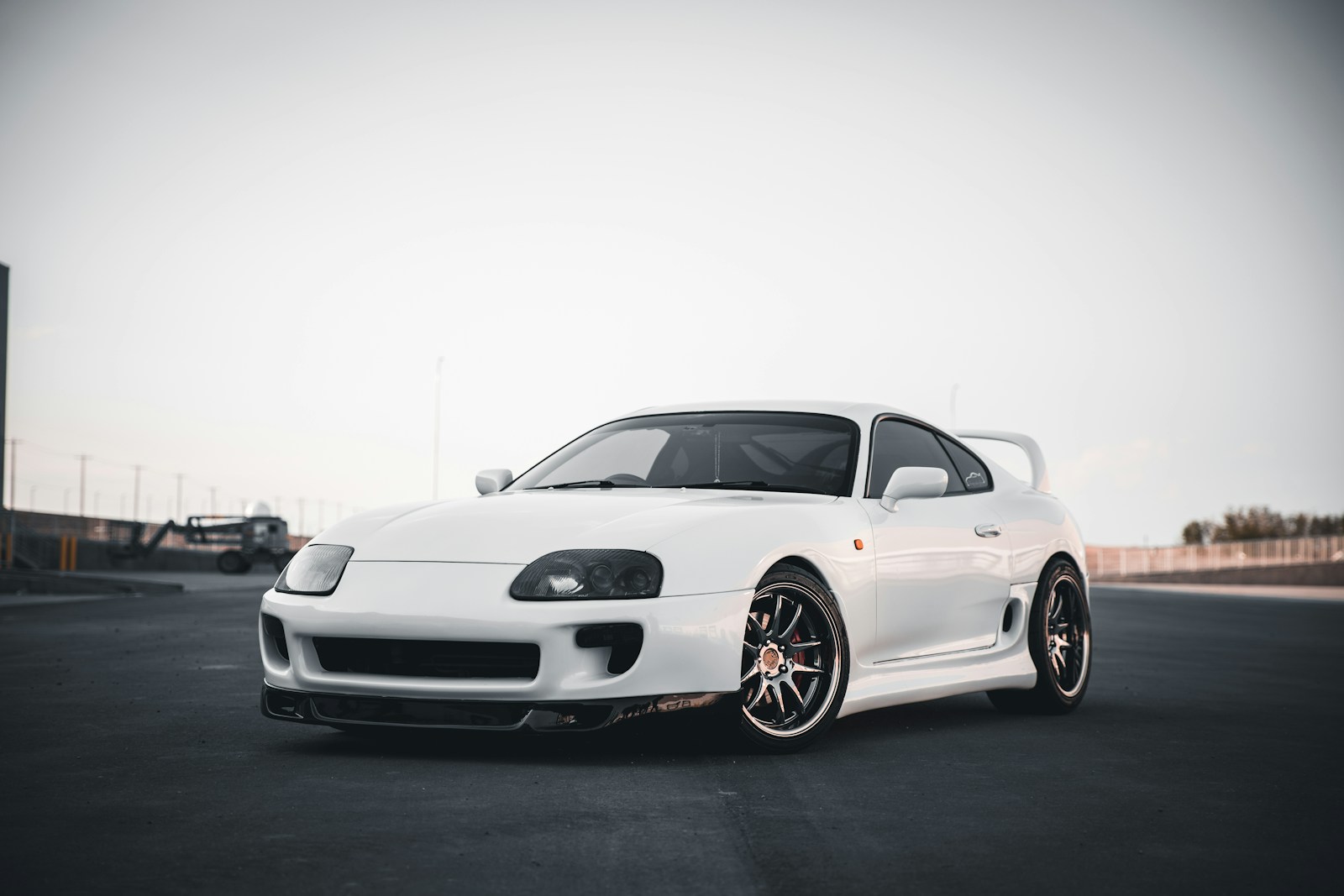

A silver 1998 Toyota Supra Turbo with a six-speed manual and just 22,962 miles on the clock sold for $308,725 at a Massachusetts auction — a price nobody would blink at for a Ferrari, but one that turned heads for a Japanese sports car built the same year DVDs first hit American shelves. The car didn’t come from a dealer’s showroom or a private collector’s garage. It came off a police impound lot, seized from a convicted marijuana trafficker named Cory Taylor as part of a 2020 drug investigation, one of at least a dozen Supras law enforcement pulled out of his personal stash. What happened to that stash says as much about where JDM values have gone as it does about the case itself.
A Traffic Stop That Unraveled a Collection
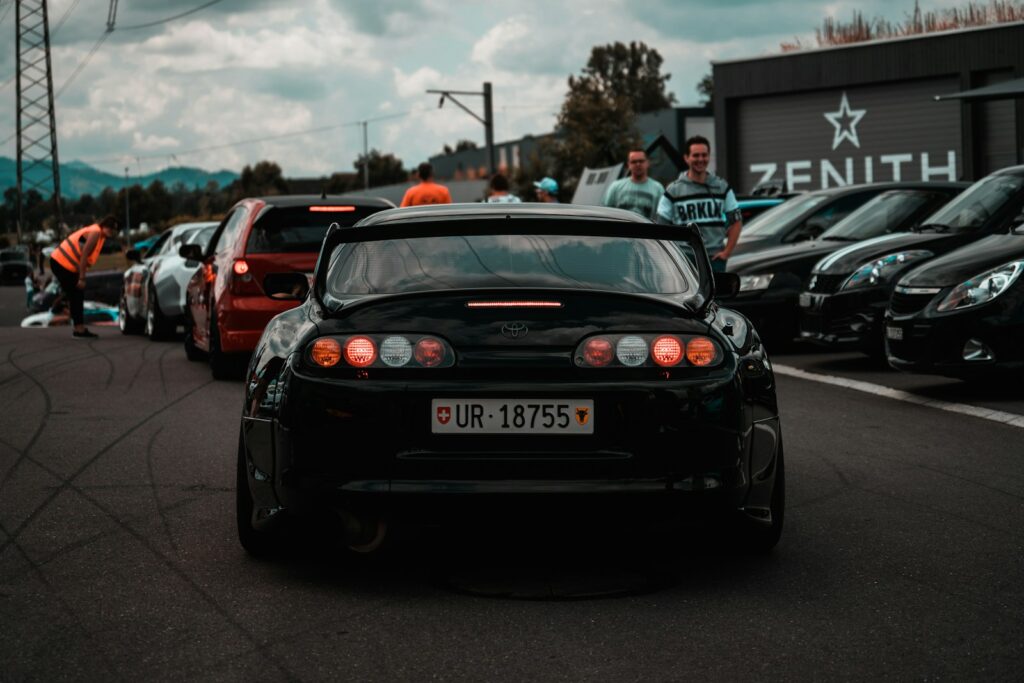
Taylor’s operation came apart, according to The Drive’s reporting on the case, after a traffic stop in Pelham, Massachusetts turned up 138 pounds of marijuana in his van. A follow-up raid on his properties turned up more than just drugs: bales of marijuana, a cache of illegal firearms, and millions of dollars in cash, according to the same reporting, tied to what investigators described as a large-scale trafficking operation run out of North Salem and Holyoke. Buried inside that operation was a hobby that had nothing to do with drug money on the surface — Taylor had quietly assembled a collection of Mk IV Toyota Supras, the fourth-generation model built from 1993 to 2002 that Fast and Furious made a household name.
Massachusetts’ Northwestern District Attorney’s Office ultimately seized 29 vehicles connected to Taylor, according to Fox News, with 13 of them being Supras — one of them reportedly found shrink-wrapped in plastic, as if it had never been driven at all. Taylor never stood trial. He missed his own arraignment and was later found dead in an abandoned building; the cause remains undetermined.
Turning Seized Cars Into a Record Sale
With no owner left to claim them, the cars became the state’s property, and the state does what governments do with forfeited assets: it auctions them off. Stanley J. Paine Auctioneers ran the sale in June 2022, requiring a $5,000 deposit to bid and adding a 15% buyer’s premium on top of the final hammer price. Bidding on the Supras alone ranged from tens of thousands of dollars up into six figures — The Drive reported that a green 1996 model cleared $70,000 and that two separate cars, including the eventual record-setter, hit $125,000 at the hammer.
The top seller was the Quicksilver-painted 1998 Supra Turbo — one of only 24 built in that color, according to Fox News’s coverage of the sale — with the six-speed manual gearbox that collectors chase hardest and barely 23,000 miles showing. Once the 15% premium was added on top of its $265,000 hammer price, the final tab landed at $308,725, a number Fox News and other outlets reported as a record for a standard-production Supra sale, excluding the handful of screen-used Fast and Furious cars that command their own separate, inflated market. It beat out a low-mileage 1993 Supra that sold for $272,550 and a 1997 15th Anniversary Edition that brought $224,250 in the same sale.
What a Drug Dealer’s Garage Says About JDM Prices
None of this happened because a drug trafficker had unusually good taste — plenty of criminal forfeiture auctions move ordinary cars for ordinary money. What made this one notable is what it revealed about where Mk IV Supra values had already climbed to by 2022, years before the broader JDM market cooled and reheated again in the years since. A car that Toyota built as a roughly $40,000-to-$45,000 sports coupe in the late 1990s was, by the time it reached a government auction block, worth more than six times its original sticker price — and that was without a single celebrity provenance story or movie credit attached to it.
That’s the trajectory that’s defined the Mk IV Supra since Toyota killed it off in the U.S. market in 1998: a car enthusiasts once treated as a tuner-friendly, comparatively attainable alternative to a 911 Turbo has turned into one of the most expensive non-exotic Japanese cars a collector can chase, regardless of how it lands on the auction block or who owned it last.