
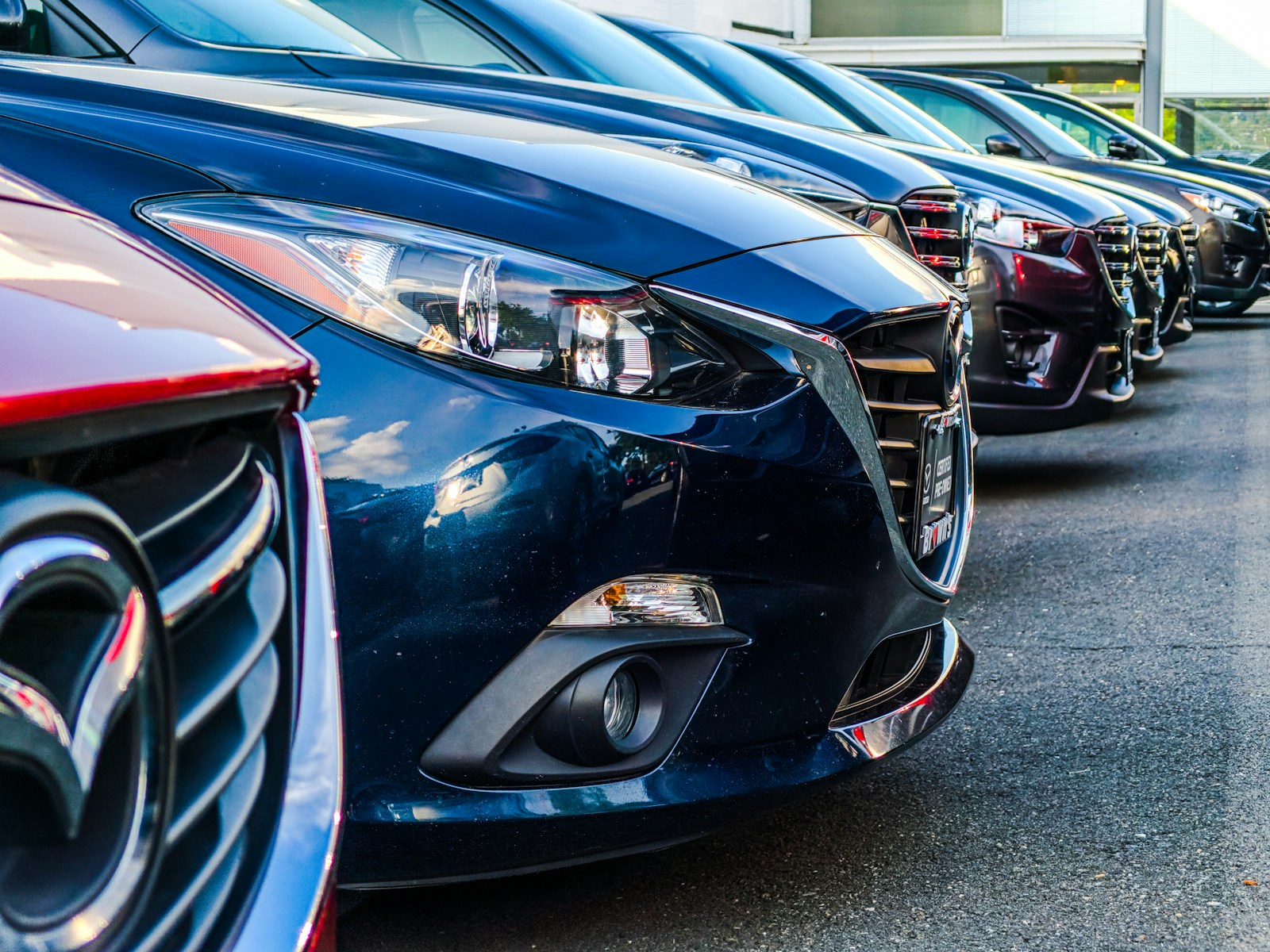

The National Highway Traffic Safety Administration had logged 635 vehicle safety recalls by early September 2026, according to independent tracking of the agency’s own recall database, keeping pace with a run of years that have each topped 1,000 recalls before year’s end. Buried in that count are a small number of the agency’s rarest advisories: formal “do not drive” warnings, reserved for defects severe enough that NHTSA and automakers tell owners to park the car immediately rather than wait for a scheduled repair.
NHTSA’s own numbers for last year set the baseline. The agency’s March 2026 consumer alert states that “more than 29 million vehicles were recalled in 2025” across 997 separate safety recalls. Independent recall tracking puts the prior four years in a similar band — 1,094 recalls in 2021, 1,051 in 2022, 1,000 in 2023 and 1,073 in 2024 — meaning 2026’s pace so far tracks closely with, rather than dramatically exceeds, recent history.
What stands out this year isn’t the raw count — it’s the severity attached to a handful of specific campaigns.

What’s Affected
- Ford Bronco Sport and Maverick (2021-2026 model years): Ford issued a do-not-drive advisory on January 6, 2026, covering roughly 4,653 vehicles after determining that front lower control arm ball joints “may not have been assembled correctly,” with Ford warning that a joint failure while driving could cause a loss of steering control.
- Vehicles with banned Chinese airbag inflators: On April 29, 2026, NHTSA announced a ban on defective, non-genuine air bag inflators marked “DTN60DB,” tied to at least 10 deaths and two serious injuries across a dozen crashes in which the inflators exploded rather than deployed normally. The agency’s own language is direct: any vehicle found with one of these parts “should not be driven until the inflator is replaced with genuine parts.” It’s the first ban of its kind NHTSA has issued in more than two decades.
Key Points
- 2026’s recall pace is running roughly in line with the past five years, not clearly ahead of them, based on independent tracking of NHTSA’s database.
- Do-not-drive advisories remain rare by design — reserved for defects NHTSA judges too dangerous to wait for a scheduled dealer appointment.
- The Chinese airbag inflator ban marks NHTSA’s first outright parts ban in over 20 years, reflecting the severity regulators assigned to that specific defect.
- Owners can check any vehicle’s recall status by VIN directly through NHTSA.gov.
Anyone unsure whether a vehicle carries an open recall, do-not-drive or otherwise, can look it up directly using NHTSA’s VIN lookup tool rather than relying on secondhand reporting of any individual campaign.