

There is one question at a car dealership that tells the salesperson almost exactly how much money they can make off you. A man who spent close to three decades on the dealer side of the desk, @ZacSmiththecarguychronicles, says he asked it himself and helped dealers earn millions doing so. Now he is telling shoppers how to stop answering it.
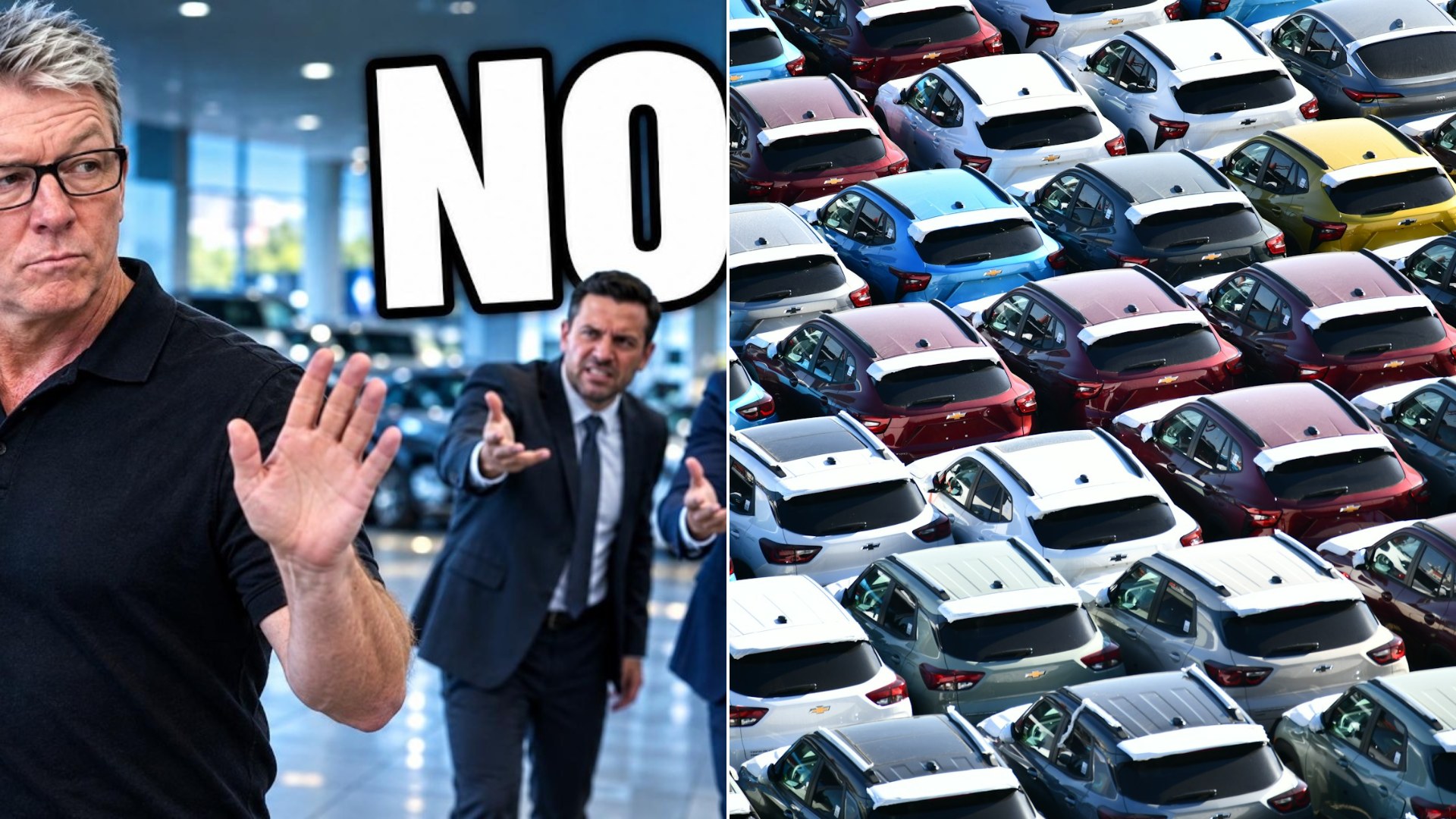
His big point is that car buying does not begin when you sit down at the desk. It begins the moment you step out of your car onto the lot. Every friendly question, he says, is information gathering. The salesperson is not necessarily a bad guy. It is the job, and they are trained to ask in a specific order. Once you see the pattern, you cannot unsee it.
Here are the five questions he says to watch for, and what he suggests you say instead.
1. “So what do you do for a living?”
It sounds like small talk. But he says it is the salesperson sizing up your budget and your pressure points. Tell them you are a nurse or an engineer and they have a rough idea of your income. Mention a new baby and they know you are shopping on a deadline. Say your commute is 80 miles a day and your current car is on its last legs, and they know you need a car, not just want one. He calls “need” the most expensive word you can bring onto a car lot.
What to say: stay friendly but keep it private. Something like, “I’m pretty busy, but I’m really here to see if the car is a good fit for me. Can you tell me more about the safety features on this one?” That steers the conversation back to the vehicle.
2. “Don’t you just love this car?”
This one comes right after the test drive, with the new car smell and the big touch screen still fresh. Say yes and, he warns, you have handed over your most powerful negotiating tool, which is the ability to walk away. Once they know you are emotionally attached, they know you are less likely to leave over a few hundred dollars, or even a few thousand.
He is not asking you to lie. His suggestion: “It drives nice, but I’ve got a couple of other ones I’m test driving this week too. I’m going to see how they compare.” It is honest, and it tells the salesperson that if they want your business, they have to earn it on price. Save the excitement for the drive home.
3. “Do you have a trade-in?”
It sounds helpful. But he says the trade-in gets mixed into the deal, which lets the dealer play a shell game with your numbers. His fix is three steps of homework:
- Before you go, get an instant offer on your current car from a place like CarMax or Carvana, or better yet get bids from three independent dealers you are not buying from. Now you know what it is worth.
- Negotiate the price of the new car as if you have no trade-in at all.
- Only after the price is locked in, bring up the trade. Until then, say, “I haven’t decided yet. Let’s figure out the price on this new car first.”
If the dealer’s trade offer comes in under your instant offer or the other bids, he says to just sell your car to them instead.
4. “How are you planning on paying?”
Cash, financing, a credit union pre-approval: whatever it is, he says do not say it yet. As he puts it, at what point did the guy in the polo shirt become your financial advisor? How you pay is a separate conversation from the price, and you get to decide when it happens.
Why they care: a lot of dealership profit comes from the finance office. The dealer can often mark up the interest rate above what the lender actually approved, and keep the difference. Then there are warranties and protection packages. Tell them you are paying cash and that profit center is gone, so they may hold firm on the sale price. And if they think you might finance with them, they will often discount the car more, counting on making it back later.
What to say: “I’m not sure how I’m going to pay for it yet. Let’s focus on the out-the-door price.” If they push, smile and say it again. Once the price is locked in, then tell them you are using your bank and ask if they can beat your rate. If they can, you save. If not, you use your own loan. He also says to show up already pre-approved and to know your credit score before you walk in, so nobody can tell you it is worse than you think.
5. “What do you want your monthly payment to be?”
This is the one he saved for last, and the one he says almost everyone answers. “Around $600 a month” sounds reasonable. But the moment you say it, the game is no longer about the price of the car. It is about the payment, and the payment is easy to manipulate. A dealer can hit $600 by stretching your loan from five years to seven or eight. They can hit it by adding a service contract or protection package, or by raising the interest rate. You get the payment you asked for and pay thousands more over the life of the loan.
What to say: “I’m focused on the out-the-door price,” meaning the total including taxes, fees and everything else. Get it all added up and written down. Once that number is locked, the monthly payment is just math, and you can control the math. If they keep circling back, smile and repeat yourself.
The pattern behind it all
Every one of these questions, he says, has the same job: to take away your ability to walk. Take away the walk and they name the price. Keep the walk and you name the price. Being willing to leave the dealership, he says, makes you immune to nearly everything.
He is also fair about it. He is not saying every dealer is out to cheat you. Some are honest. But some will do anything to take advantage of a customer, and those are the ones to look out for. Do your homework, bring your own financing, write down the out-the-door number, and remember that the only person who will really take care of you in that building is you.
More Stories You May Like
- Family Sold Their Grandmother’s 1971 Plymouth Valiant To A Detailer For Five Hundred Dollars Cash After Twenty Seven Years In A Field And He Made It Shine Again
- Car Buying Expert Lists The Sleazy Dealership Tricks That Take Advantage Of Shoppers From Add Ons On The Final Paperwork To Forcing You Into Their Financing
- Honda Owner Went For A Coupon Oil Change And The Dealership Said The Oil Pan Was Leaking Until An Independent Shop Looked And Found No Oil At All