
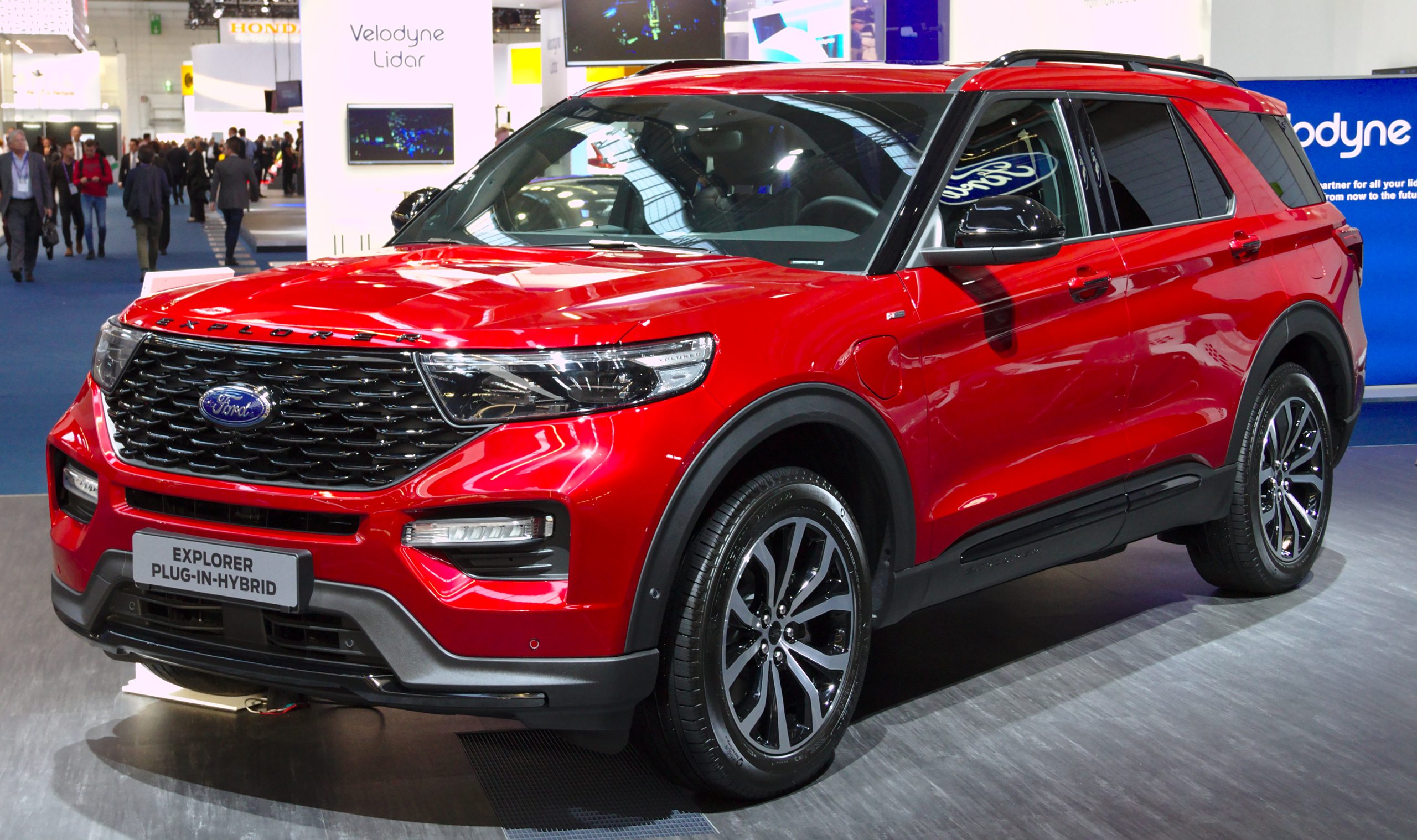

Ford is recalling 79,579 Explorer and Lincoln Aviator SUVs because the driver’s seat can recline on its own while the vehicle is being driven, a defect logged with NHTSA under recall campaign 26V470. The recall covers 2026-2027 model year Explorers and Aviators built between November 24, 2025, and June 27, 2026.

Key Points
- 64,409 Ford Explorers and 15,170 Lincoln Aviators are covered under NHTSA filing 26V470.
- The driver’s seatback can move rearward on its own, with no one touching the seat controls.
- Ford has logged 133 reports tied to the condition as of June 26, 2026, with no crashes or injuries reported so far.
- The root cause is a software fault in the seat’s memory-position feature, not a broken mechanical part.
What’s Affected
- 2026-2027 Ford Explorer — 64,409 units
- 2026-2027 Lincoln Aviator — 15,170 units
- Vehicles built between November 24, 2025, and June 27, 2026
Ford’s filing describes a seat-memory system that misreads where the seatback actually sits, then drives it rearward when it’s supposed to hold position. The trigger doesn’t have to be a person pressing the seat-adjustment switch. Ford says the glitch can fire when a driver unlocks the doors, remote-starts the SUV, or simply carries a paired key fob within range of the vehicle.
A seat that reclines without warning while the vehicle is moving can pull the driver away from the pedals and steering wheel, and it reduces how well the seatbelt and airbag can do their job in a crash — that combination is what pushed this from a comfort complaint to a federal safety recall.
What Owners Should Do
- Enter your 17-digit VIN at NHTSA.gov/recalls to confirm whether your specific Explorer or Aviator is included.
- Ford’s remedy pairs a parts replacement with an over-the-air software update; the exact repair procedure was still being finalized as of the recall filing.
- Owner notification letters had not gone out as of the filing date — dealers will perform the fix free of charge once parts and software are ready.
- Until then, drivers can reduce risk by fully locking the seatback into the position they intend to use before driving.
This is the second seat-related safety action on the Explorer and Aviator platform this year. In July, CBS News reported Ford separately recalled nearly 388,000 Explorers and Aviators over an unrelated second-row seat defect tied to a faulty bezel component. Ford hasn’t said whether the two campaigns trace back to a shared supplier, but the back-to-back recalls point to how much modern SUVs now depend on software to keep basic hardware, like a seat, doing exactly what it’s told.