

You walk into a story that affects jobs, industry plans, and local communities: Ford shut a $5.8 billion Kentucky battery plant months after opening, leaving 1,600 people without work and raising urgent questions about the future of electric-vehicle supply chains. This abrupt closure delivers immediate economic pain and signals deeper risks for manufacturers, workers, and regional economies tied to large-scale green investments.
You’ll find a clear look at what happens next: the human cost for displaced workers, how the shutdown unfolded, and the factors that may have forced the pause — from market demand shifts to policy changes and corporate strategy. The next sections break down the fallout, the likely causes, and what industry players might do to respond.
Immediate Fallout of Ford’s $5.8 Billion Factory Shutdown

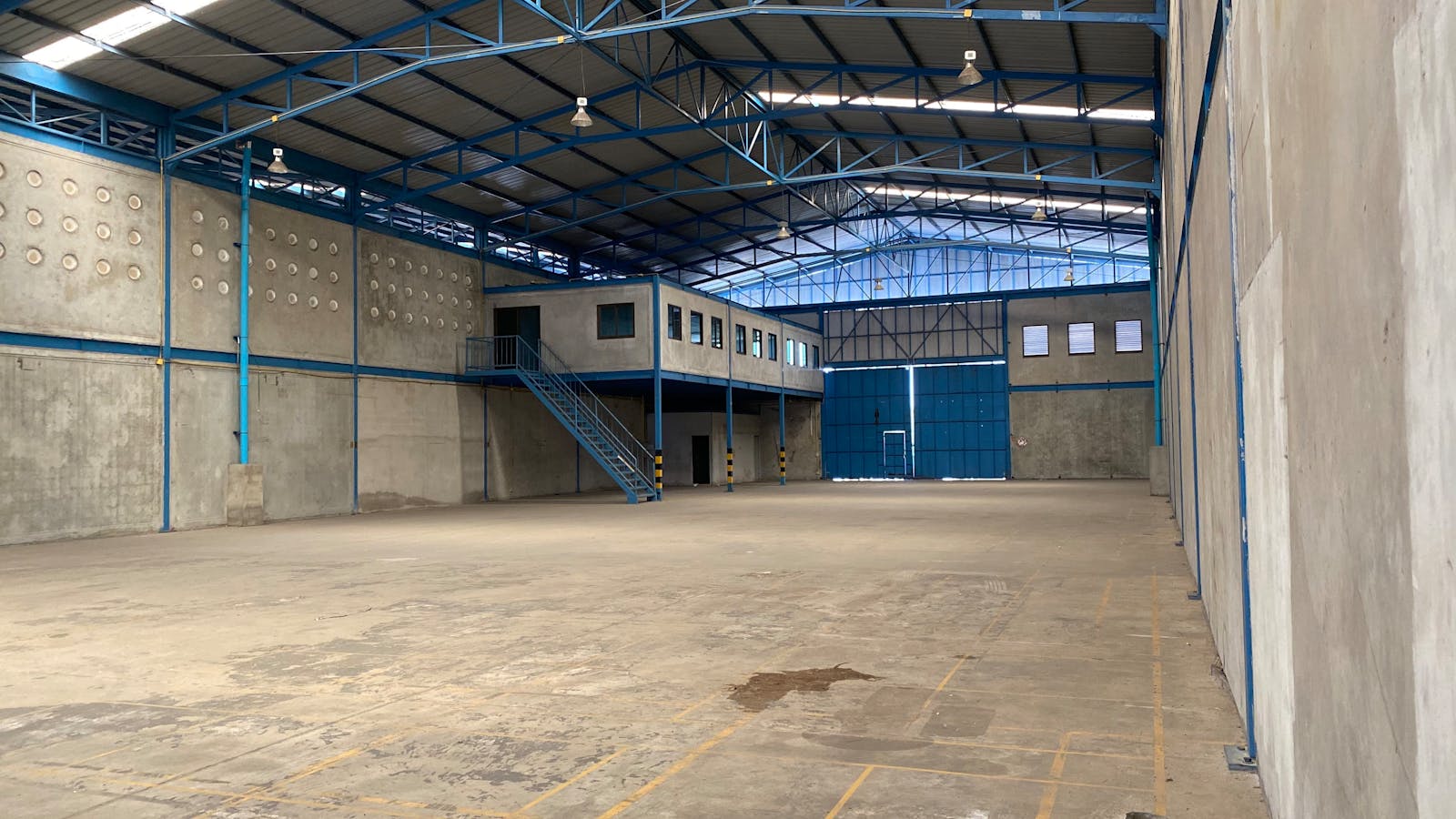
The shutdown left a high-cost facility idle and 1,600 workers suddenly unemployed, while local leaders and institutions scrambled to respond. The following details cover how the shutdown unfolded, the direct effects on workers, and the community’s immediate reactions.
Timeline of the Plant Opening and Closure
Construction finished in early 2025 with the $5.8 billion battery plant promoted as a major EV investment in Hardin County. Ford began hiring and training workers in spring and launched limited production in the summer of 2025.
Operations ran for only about four months before management halted production and idled the site. Company statements cited shifting market conditions and reduced demand for the specific battery format as contributing factors. Local and state officials, including the governor’s office, had pushed incentives and workforce development tied to the plant’s expected long-term operations.
The abrupt pause triggered contract reviews with suppliers and paused planned upgrades. BlueOval SK — the joint venture partner tied to the facility’s technology and supply chain — faced immediate operational and reputational pressure. Regional logistics and vendor firms reported sudden cancellations and delayed payments within days of the shutdown announcement.
Impact on 1,600 Laid-Off Workers
Approximately 1,600 employees lost jobs almost overnight; many were hourly manufacturing hires and technicians recruited from the Elizabethtown area. Workers reported losing not only wages but also employer-sponsored benefits and scheduled overtime pay that had factored into household budgets.
Local workforce offices and Elizabethtown Community and Technical College saw increased traffic as displaced employees sought retraining and unemployment assistance. County officials in Hardin County coordinated job fairs and rapid-response counseling, while unions and worker groups pushed for severance and clarity on recall prospects.
Temporary layoffs left some employees eligible for state unemployment and federal programs, but uncertainty about rehiring timelines complicated financial planning. The sudden job loss also affected downstream contractors who serviced the plant and local businesses that relied on worker spending.
Community Reaction and Local Response
Residents in Elizabethtown and surrounding Hardin County expressed anger and disbelief, with coverage in national and local news highlighting the town’s reliance on the plant. Town halls and community meetings filled quickly as families sought answers from company representatives and elected officials.
Governor Andy Beshear and county leaders publicly urged Ford and partners to provide clear plans for worker support and to explore alternatives to a long-term shutdown. Local economic development agencies convened emergency coordination with BlueOval SK and supply-chain firms to salvage supplier contracts where possible.
Restaurants, retailers, and service businesses near the plant reported immediate drops in foot traffic. Community groups and faith-based organizations organized food drives and short-term relief, while Elizabethtown Community and Technical College expanded enrollment options for displaced workers seeking new certifications.
What Caused the Shutdown and What’s Next?
The closure stems from a mix of falling EV demand, altered federal incentives, and a strategic refocus by the company. Workers lost jobs, local suppliers face contracts at risk, and the industry watches for broader shifts toward other battery uses.
Federal Policy Changes and Drop in EV Demand
Changes to federal incentives cut the availability of a generous 7,500 tax credit for many buyers, reducing near-term EV purchases. Lawmakers and the administration revised qualifying rules and funding levels, which directly lowered consumer incentives and dealer ordering patterns.
Consumer demand slowed quickly after those policy moves. Dealers reported canceled orders and automakers recalibrated production runs. Wall Street reacted by marking down EV investments and pressuring manufacturers to rightsize capacity.
Tariffs and shifting global supply chains played a role too. Imported components from partners like SK On faced cost swings and lead-time uncertainty, driving manufacturers to pause or consolidate plants. Insurers and lenders tightened terms for big new projects, making it harder to carry marginal facilities during a sudden drop in sales.
Shifting Strategy: From Electric Vehicle Batteries to Energy Storage
Company executives signaled a pivot from automotive battery production toward battery energy storage and industrial uses. Energy storage systems for grid and commercial clients present longer contract horizons and different margin profiles than passenger EV batteries.
Re-tooling the plant to serve grid storage or second-life battery markets would change equipment needs and workforce skills. That transition can preserve some jobs but requires capital for inverter systems, power electronics, and new assembly lines.
Investors and tech partners, including AI-driven battery management startups, will likely influence the new plan. The move may attract different customers — utilities, data centers, and large retailers looking to cut energy costs — rather than automakers or dealership networks.
Broader Effects on the Auto and Tech Industries
Automakers face a re-evaluation of capital allocation. Big legacy OEMs will slow new battery giga-factory commitments and shift funds to software, AI-driven vehicle features, or partnerships with specialized energy firms. Suppliers in the local supply chain, from equipment vendors to small machine shops, confront lost orders and contract renegotiations.
Tech and finance sectors react too. Wall Street analysts may downgrade manufacturers tied to EV rollouts while upgrading firms focused on energy storage profits. Insurance underwriters reassess policy terms for high-capex manufacturing projects, affecting future plant financing.
The ripple touches consumer-facing brands and services — retail chains that signed supply deals, kitchen-equipment or logistics contractors serving the plant, and regional health and worker-support programs. Space for workforce retraining could draw public and private funds, with potential AI-enabled reskilling tools helping displaced workers find roles in energy storage or other tech-adjacent fields.
More from Steel Horse Rides: