
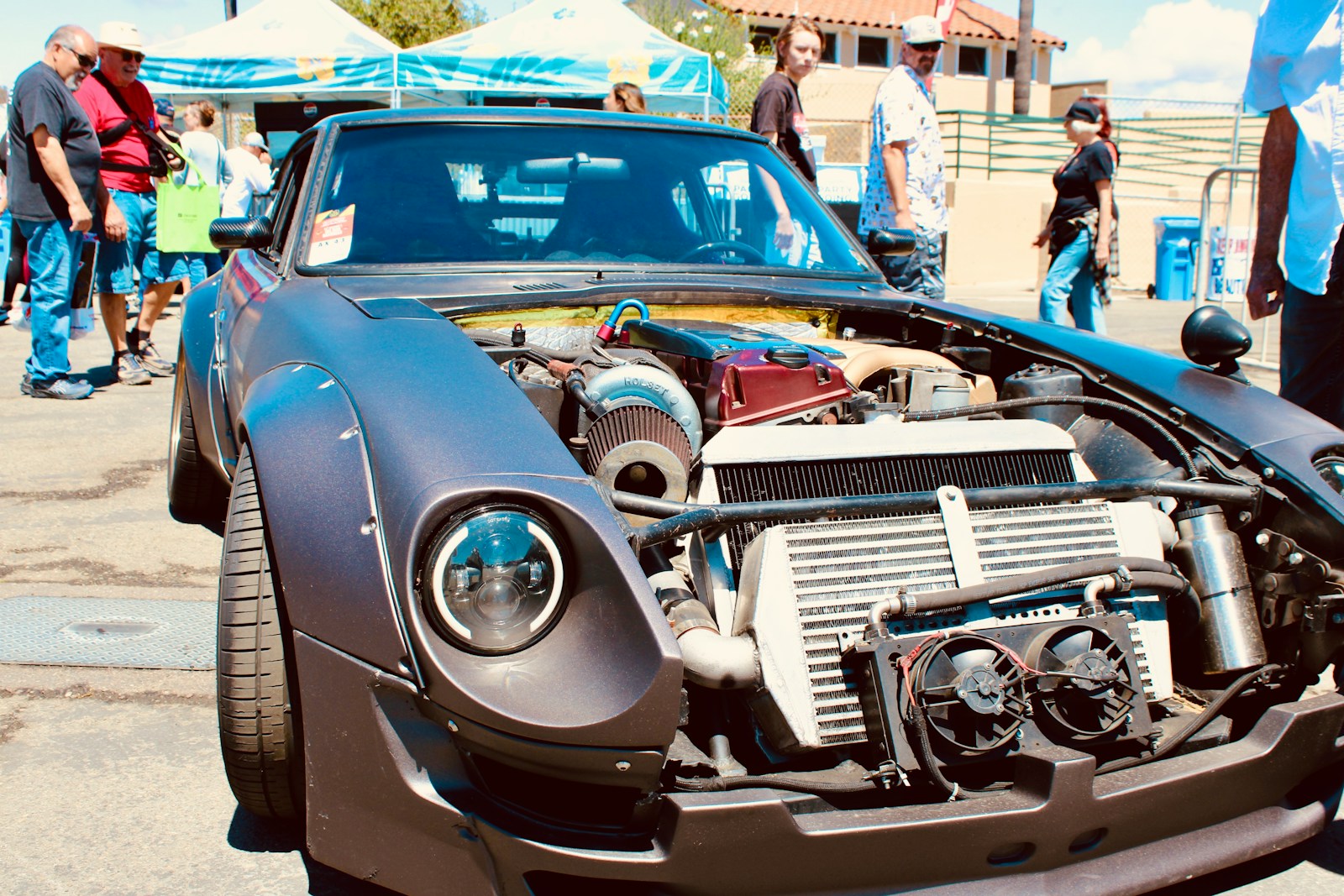

He’d been calling it his “reasonable midlife crisis,” which was funny because nothing about it was reasonable. A ’72 convertible, sun-baked paint, tired small-block, and enough slop in the suspension to feel like a boat—perfect candidate for a restomod and an LS swap if you had more confidence than sense. The plan was simple: strip it down, do it right, and end up with a car that looked old but drove like it had manners.
The garage builder wasn’t some first-time dreamer either. He had the usual scars—busted knuckles, half-finished projects in the corners, and a mental checklist that started with “don’t trust previous owners.” Still, the car seemed like a decent starting point: solid floors, clean interior, and fresh undercoating underneath that made the underside look oddly “new” for something built when gas was cheaper than bottled water.
He posted progress updates as he went, the kind of play-by-play you’d expect from someone documenting a long build: engine out, bay cleaned, wiring labeled, suspension parts stacked like a trophy pile. The tone was upbeat, almost smug in that “this is going smoother than expected” way that always feels like tempting fate. And fate, apparently, was waiting under that shiny black undercoat.
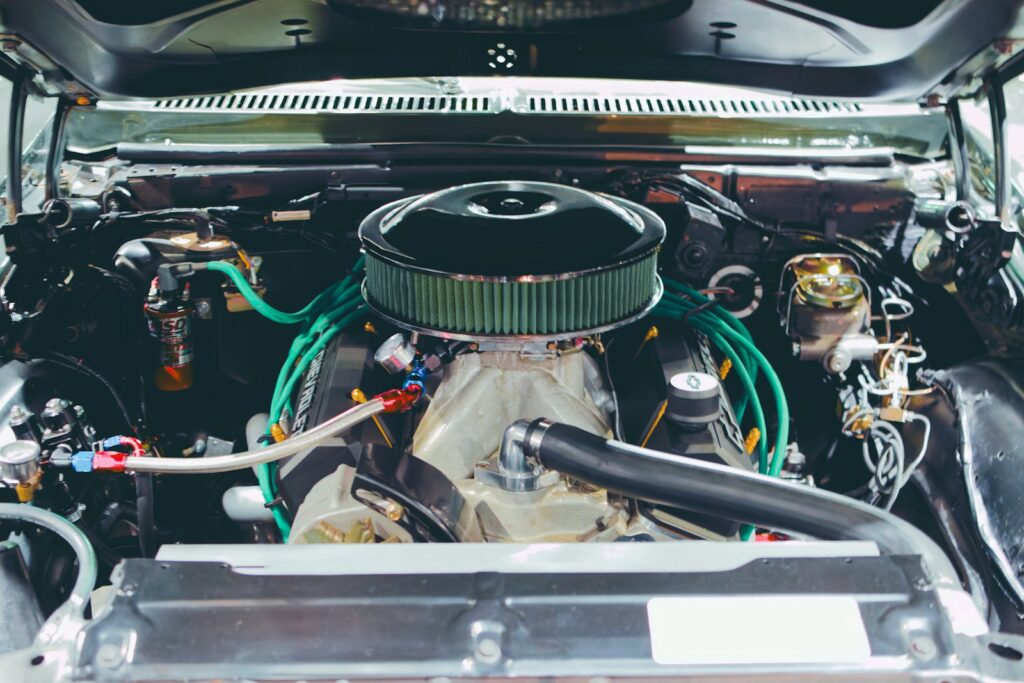
The “nice” undercoating started feeling suspicious
It began with little stuff that didn’t add up. The body gaps were acceptable but not great, and the car had an odd habit of sitting slightly different on one side depending on where it was parked. He chalked it up to old bushings and convertible flex, because that’s what you do when you’re still in the optimism phase.
Once the drivetrain was out, he got more time under the car and started noticing details that didn’t match the story. A few bolt heads looked newer than the surrounding metal, and the texture of the undercoat had that “sprayed recently and generously” vibe, like someone had been paid by the gallon. The worst part was that it wasn’t sloppy—no obvious runs, no bare patches—just a uniform black skin covering everything like it was trying not to be looked at too closely.
The first real red flag was a seam that didn’t sit where a seam should. He was cleaning up a section near the rear, scraping off grime and overspray, and his tool caught an edge that felt… layered. Not the factory overlap you’d expect on old stampings, but a hard line that sounded different when he tapped it with a screwdriver. He stopped and did what every builder does in that moment: stared at it for way too long, hoping his eyes were lying.
When the grinder came out, the story changed
He didn’t go nuclear immediately. He tried the gentle route—heat gun, scraper, a little solvent—thinking maybe it was just some old patchwork. But the more undercoating he lifted, the more the seam turned from “weird” to “why is this here at all?”
Then he hit it with a wire wheel. The black disappeared in a dusty blur, and bright metal showed through in places that shouldn’t have been bright. Underneath was a weld line, not a small repair stitch either, but a long, deliberate join running across a section of the frame like someone had decided the car could simply be two cars if they believed in it hard enough.
At first, he assumed it was a localized repair—maybe a rear clip job after an accident. Plenty of cars have been saved that way, and not all of them are death traps if done correctly. But he kept cleaning, working outward, and the weld line didn’t stop where a repair would normally stop. It continued, and it had friends—other welds, other seams, and subtle changes in metal thickness that made the whole underside feel like a quilt.
Two donor cars, one convertible, and a lot of missing honesty
Once the undercoat was stripped back enough, the picture got ugly fast. The frame rails didn’t just have a patched section—they looked like they belonged to different eras of abuse. One side had stamping marks and brackets that matched what he expected for that model year; the other side had slightly different bracket positioning, different hole spacing, and small manufacturing details that didn’t line up.
He started measuring diagonals and referencing known frame points like he was doing a crime scene reconstruction. Numbers that should’ve been mirror images were off by enough to matter. Not “old car tolerances,” not “rubber bushing squish,” but “this could explain why it never quite drove straight” off.
The biggest gut punch came when he found the join points. Whoever did the work had essentially made a Frankenstein frame: front section from one donor, rear from another, married somewhere in the middle with long welds, ground smooth, then buried under fresh undercoating like a fresh coat of paint on rotting drywall. It wasn’t obvious from a casual inspection, which meant it was perfect for the kind of sale where the buyer is excited, the seller is relaxed, and nobody asks the one question that kills the deal.
He posted photos—close-ups of the welds, the seam lines, the cleaned-out undercoat edge showing a sharp transition. The tone shifted from “build update” to “tell me I’m crazy,” because even experienced builders have that moment where they want someone else to confirm the bad news. And once people started asking about safety, the post stopped being just about an LS swap and turned into a debate about whether the entire car was now a parts donor with a nice interior.
The awkward part: the seller’s story didn’t have room for this
Up until then, the seller had been described as the classic “older guy who’s had it forever” type. The car supposedly came with a basic story: some restoration work, some cosmetic touches, runs and drives, ready for a new chapter. It wasn’t pitched as a concourse car, just clean and solid.
So the builder reached out, not with threats, but with that careful, polite message that still carries an accusation. Basically: “Hey, I found something weird under the undercoating—do you know anything about frame work?” It’s the kind of question where both people understand what’s being asked, and both people have a chance to decide whether this becomes civil or becomes a fight.
The seller’s response, according to the builder’s retelling, had a lot of fog in it. Vague memory, secondhand info, “must’ve been done before I got it,” and the classic suggestion that it was “probably just a repair.” But the builder had the kind of photos that don’t let you hide behind “probably,” and the details didn’t match a simple repair story anyway.
That’s when the builder’s frustration started turning personal. He wasn’t just out some money—he’d already invested time, bought swap components, and mentally committed to a whole build path based on the idea that the foundation was solid. Finding out the frame might be a stitched-together compromise felt like being handed a puzzle halfway through and realizing someone swapped the picture on the box.
The build paused, and every option felt like losing
Once you see welds like that, you can’t unsee them. The builder started talking about next steps in a way that sounded less like building and more like triage: measure everything, check for cracks, inspect the weld quality, possibly get it on a frame machine, possibly cut it apart and do it right. None of those options were cheap, and none of them were what he signed up for when he just wanted an LS-powered cruiser.
He also had to face the weird social reality of a project like this. Friends who’d been hyping the swap were now sending messages like, “Dude… are you sure that’s safe?” and “How did you not see that when you bought it?” It’s the kind of thing that makes you defensive even when you did nothing wrong, because everyone wants to believe they would’ve magically spotted the problem in a dim driveway with a flashlight.
And the undercoating part made it sting more. Fresh undercoat on an old car can be harmless, but it can also be a costume. In his case, it wasn’t just covering surface rust—it was hiding a major structural secret, applied so neatly that it felt intentional, like someone didn’t just want it to look nicer, they wanted it to stop being questioned.
By the end of the updates, the tension wasn’t “will it run” anymore. It was whether he could trust the car at all, whether the seller genuinely didn’t know or was playing dumb, and whether fixing it would turn a fun restomod into a long, expensive lesson. He’d started the project imagining burnout videos and top-down evening drives, and now he was staring at a frame seam that didn’t belong, trying to decide if he was rebuilding a classic—or just uncovering how far someone will go to make a problem look like a fresh start.
More from Steel Horse Rides: