
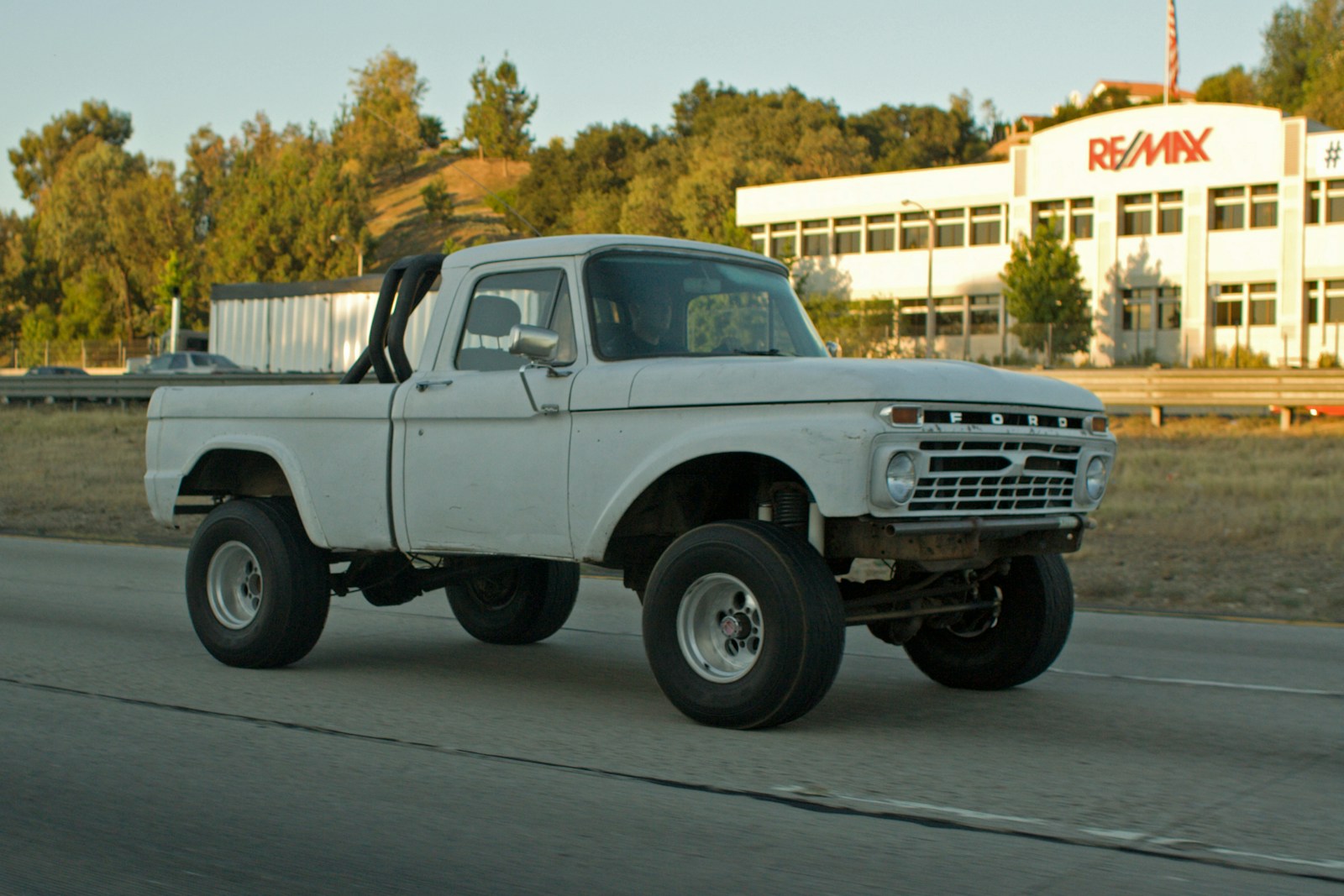

He’d been talking about the frame-off like it was a pilgrimage. The kind of garage builder who keeps a notebook of part numbers, saves every bolt in labeled bags, and can tell you which year GM changed a bracket by half an inch. The 1972 pickup sat in his shop for months looking more like a jigsaw puzzle than a vehicle, and he loved that about it.
The plan was simple on paper: frame stripped and painted, suspension refreshed, brake lines run clean, everything under the cab made nicer than it ever was in ’72. The body was supposed to be the easy part—unbolt, lift, roll the frame out, drop the cab back on when the chassis was ready. He’d done the hard work already, or so he thought.
The day he decided to lift the body, he had a couple buddies over and the garage was in that upbeat, productive mood where everyone’s half joking and half focused. They were using a mix of jacks, blocking, and a homemade lifting setup that looked sketchy but had worked for him before. He kept saying, “Just a few inches. We just need to clear the mounts.”
The Truck That Looked Too Good From the Outside
This truck wasn’t some fresh paint job hiding sins, at least not in the obvious ways. The cab corners didn’t look like lace, the floor felt solid underfoot, and the doors shut with that heavy old-truck thunk. When people saw it sitting there, they saw “survivor” more than “basket case.”
He’d already been through the usual rust checks—rockers, floor pans, rear cab corners, bed supports—and nothing screamed imminent disaster. He even bragged about how clean the underside looked once he pressure washed years of grime off. It smelled like wet dirt and old oil for a week, but the metal looked… decent.
The only thing that had ever bugged him was how the cab seemed to hold moisture in weird places. He’d noticed dampness around the edges of the floor mat after a rain, but chalked it up to old seals and fifty-year-old vent gaskets. Someone had told him these trucks could trap water in the sub-rails if the drains were blocked, and he’d nodded like he was listening while already thinking about paint colors.
The Lift Started Like Every Other Lift
They got the bolts out without a fight, which should’ve felt like a good omen. No snapped mounts, no spinning captive nuts, none of the usual drama that turns a “Saturday project” into “call off Monday.” He moved around the cab with a ratchet, checking each point twice, and finally said the words everyone wants to hear: “Alright, she’s free.”
They started lifting in small increments, shimming and blocking as they went. One guy watched the firewall, another watched the rear cab seam, and he kept his hands on the jack handle like it was a throttle. The cab rose a little, the frame stayed put, and for a few seconds it looked like the clean, controlled separation you see in restoration videos.
Then there was a sound that didn’t match anything they expected—more of a deep, sickly crunch than a pop. It wasn’t loud like metal snapping. It was quieter, almost like stepping on a brittle plastic container in the dark.
When the Cab Didn’t Lift—It Collapsed
The cab moved, but not upward the way it was supposed to. The rear section sagged first, like the truck had suddenly decided to sit down. The gap they’d been creating between the body and frame didn’t open evenly; it kinked, the geometry going wrong in real time.
He froze with the jack halfway through a pump, staring like his brain refused to interpret what his eyes were seeing. The cab was folding, not separating—an ugly hinge forming across the floor. The windshield area stayed relatively stable while the back of the cab drooped, and the whole thing looked like a cardboard box someone grabbed in the middle.
One of his buddies swore and stepped back, palms open in that automatic “I didn’t touch it” gesture people do when something breaks. Another guy yelled to stop lifting, but the damage was already done. They lowered it back down as carefully as they could, but the cab didn’t return to its old shape; it slumped like it had lost its spine.
For a minute nobody talked. The shop was suddenly loud in a different way—chains clicking, a jack handle tapping the floor, someone’s boots scraping as they walked around trying to find the failure point. The builder kept circling the truck, jaw tight, like he could un-see it if he found the right angle.
The Sub-Rails Were Gone Where Nobody Looked
Once the shock wore off, the investigation got ugly fast. They peeled back what they could and started probing the underside, expecting maybe a mount had torn or a bracket had given way. Instead, they found air where there should’ve been structure.
The sub-rails—those boxed sections that run under the cab and tie everything together—were eaten through in long stretches. Not surface rust. Not “wire wheel and paint” rust. This was the kind of rot where a screwdriver doesn’t scrape; it just passes through.
The worst of it was clustered around the drain plug areas. At some point in the truck’s life, the drain holes had been sealed—either with seam sealer, undercoating, or some well-meaning “keep water out” patch job. It had probably looked smart at the time: close the holes, stop drafts, keep the cab dry.
But sealing those drains had turned the sub-rails into little troughs. Water that got in had nowhere to go, and the boxed sections stayed wet from the inside out. The outer skin could still look fine after a wash, while the real structure quietly dissolved for years until it was basically rust-stained paper holding the cab’s shape out of habit.
The Awkward Part: Whose Fault Was It?
That’s where the story got messy in a way only garage projects can. The builder was furious, but he didn’t have a clean target for the anger. If you’ve ever watched someone’s dream project get punched in the mouth, you know the mood: it’s not just disappointment, it’s embarrassment and grief wrapped together.
He kept replaying decisions out loud—why didn’t he check deeper, why didn’t he pull the mat sooner, why did he trust that “solid feel” underfoot. One of the buddies tried to soften it with the classic line about old trucks hiding rust, but it didn’t land. Another guy pointed out the sealed drains like a detective calling out a clue, and that’s when it shifted from bad luck to someone’s past choices.
Nobody knew who sealed them. Maybe a previous owner. Maybe a body shop years ago. Maybe the builder himself had even touched those areas during cleanup and didn’t realize what he was looking at. The uncertainty made it worse because you couldn’t pin it on a clear villain; it was just a chain of small, reasonable actions stacking into a failure.
And then there was the quiet blame that always shows up in these moments: had they lifted it wrong? Was the rigging uneven? Did they rush? Even if the rust was the real cause, the collapse happened on their watch, and that sits heavy in a garage full of friends.
Picking Through the Damage and What Comes Next
Once they got over the initial shock, the builder started doing what he always does: measuring, poking, thinking in steps. He crawled under the cab with a light and tapped along the rails, mapping where the metal still had integrity. The picture wasn’t great—structural rot doesn’t stop politely at a convenient seam.
He talked about bracing the door openings, building a temporary jig, maybe sourcing replacement sub-rails or fabricating them. But it was different now because the cab wasn’t just “rusty”; it had already folded, which meant alignment headaches and metal memory and a lot of time just to get back to square. The easy optimism from earlier was gone, replaced by that quiet, technical stubbornness people get when they’re deciding whether they’re fighting or walking away.
The buddies helped clean up and put tools away, but the conversation kept circling the same point: all those hours on the frame, all that careful work underneath, and the cab turned out to be the weak link nobody respected enough. They didn’t say “total loss,” but they didn’t have to. The cab looked like a lesson you can’t unlearn.
What stuck with everyone wasn’t the crunch or the fold as much as the cause—those sealed drain plugs, those hidden pockets of trapped water, the rot where you couldn’t see it until it held the entire project hostage. He’d built the shop, collected the tools, learned the skills, and done a frame-off with his own hands, only to find out the truck had been quietly disintegrating from the inside. And the worst part was that now he had to decide whether he was rebuilding a cab, hunting for another one, or staring at a perfect chassis that might never wear its original body again.
More from Steel Horse Rides: