
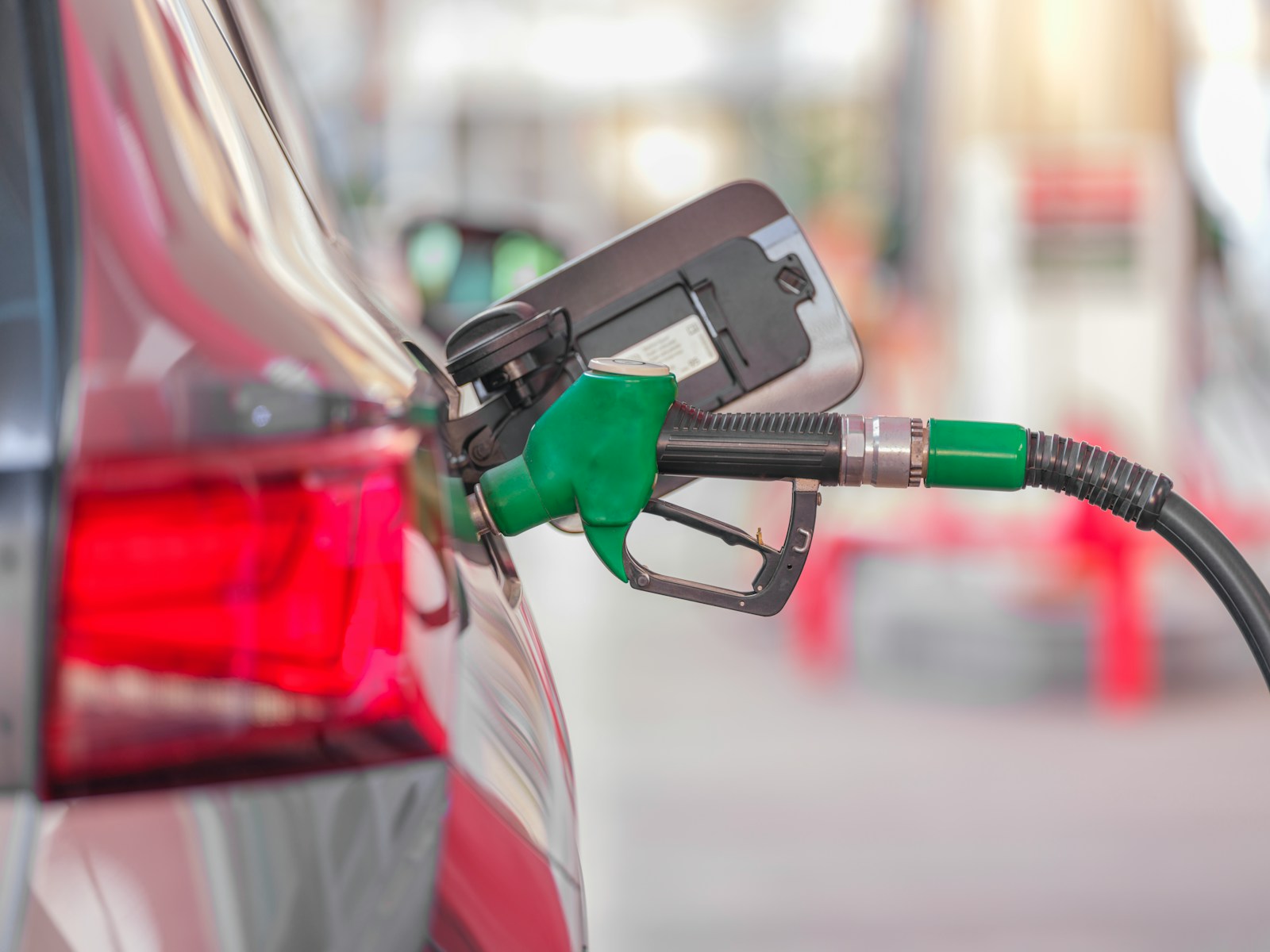

Gasoline-powered vehicles, not electric ones, are driving this year’s surge in “park outside” fire-risk recalls, according to an analysis of federal recall data. Gas-only recall campaigns have covered roughly 4.6 million vehicles over the past five years, versus about 662,000 for EVs and hybrids combined — a gap of nearly seven to one that runs directly against the assumption that electric cars are the bigger fire hazard on your street.
The “park outside” label is NHTSA’s own designation, created in 2015 for recalls serious enough that owners are told not to park in a garage or near a structure until the fix is done. Reporting from the Washington Post, republished by the Daily Herald and corroborated by TechSpot’s review of the same data, found 17 new park-outside campaigns were issued in just the first seven months of 2026, covering 1.7 million vehicles — making 2026 the second-highest year for this recall type since NHTSA started tracking it. An estimated 3.2 to 3.4 million vehicles nationwide currently have an outstanding park-outside recall, according to Carfax data cited in that reporting.
Key Points
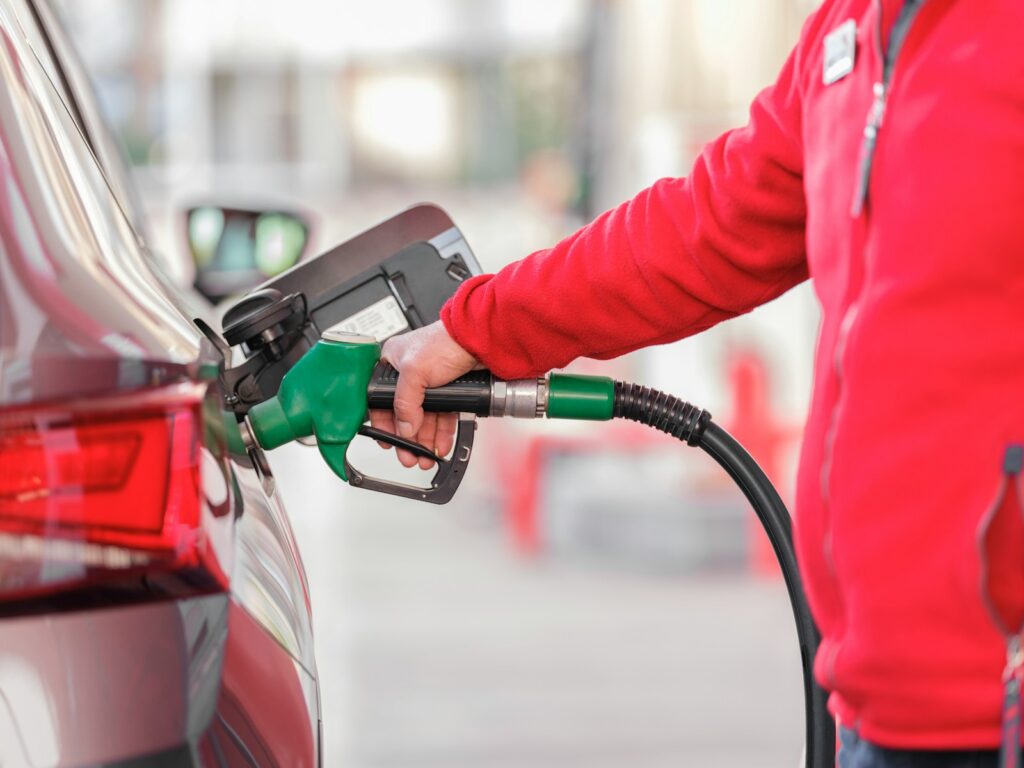
- Over the past five years, gas-only recalls span 44 campaigns and 4.6 million vehicles; EV and hybrid-only recalls span 38 campaigns but only about 662,000 vehicles — gas vehicles account for roughly seven times more recalled units.
- Nearly two-thirds of all park-outside-recalled vehicles trace back to a single 2023 Hyundai and Kia campaign over an anti-lock brake system defect, covering a combined 3.38 million mostly gas-powered vehicles.
- Gasoline and diesel vehicles still make up about 94% of the US light-duty fleet, versus roughly 6% for hybrids and EVs combined — a mismatch that partly explains the raw numbers, but doesn’t erase the gap.
- Recent gas-vehicle recalls include 1 million Jeep vehicles for an electrical fault tied to power-steering pumps, and 463,000 Kia Tellurides.
- The largest EV/hybrid-specific action was a recall of 320,000-plus Jeep Wrangler and Grand Cherokee plug-in hybrids over a high-voltage battery fire risk.
The fires themselves rarely come from the same source twice. In a purely gas vehicle, the culprit is usually old-fashioned electrical failure — a wiring harness that chafes through, a starter relay that sticks, a seat motor that overheats — combined with a fuel system sitting inches away. “The engine is off, but circuits stay hot all the time,” said Frank Borris, a former NHTSA investigator, in comments cited in the reporting. Sean Kane of Safety Research and Strategies described the broader trend as “a mix of things causing this… growing electronic systems and components,” a nod to how much more wiring, sensors, and computer modules even a basic economy car now carries compared with a decade ago.
Electric and hybrid vehicles get the park-outside label too, just far less often in raw volume — when a high-voltage battery pack does go wrong, the fire risk from thermal runaway tends to draw more headlines, which may be part of why the public perception has drifted away from where the actual numbers sit. NHTSA added a visual warning icon to its online recall listings in 2022, specifically to make park-outside advisories harder for owners to miss.
What This Means for Owners
- Check your VIN against NHTSA’s recall database regardless of whether your car runs on gas, hybrid, or electric power — the fire-risk designation isn’t tied to powertrain type.
- A park-outside notice is a real safety instruction, not boilerplate legal language; follow it until the remedy is complete.
- Older wiring and mechanical components in a conventional gas vehicle can pose just as much of a parked-fire risk as a damaged battery cell in an EV.