
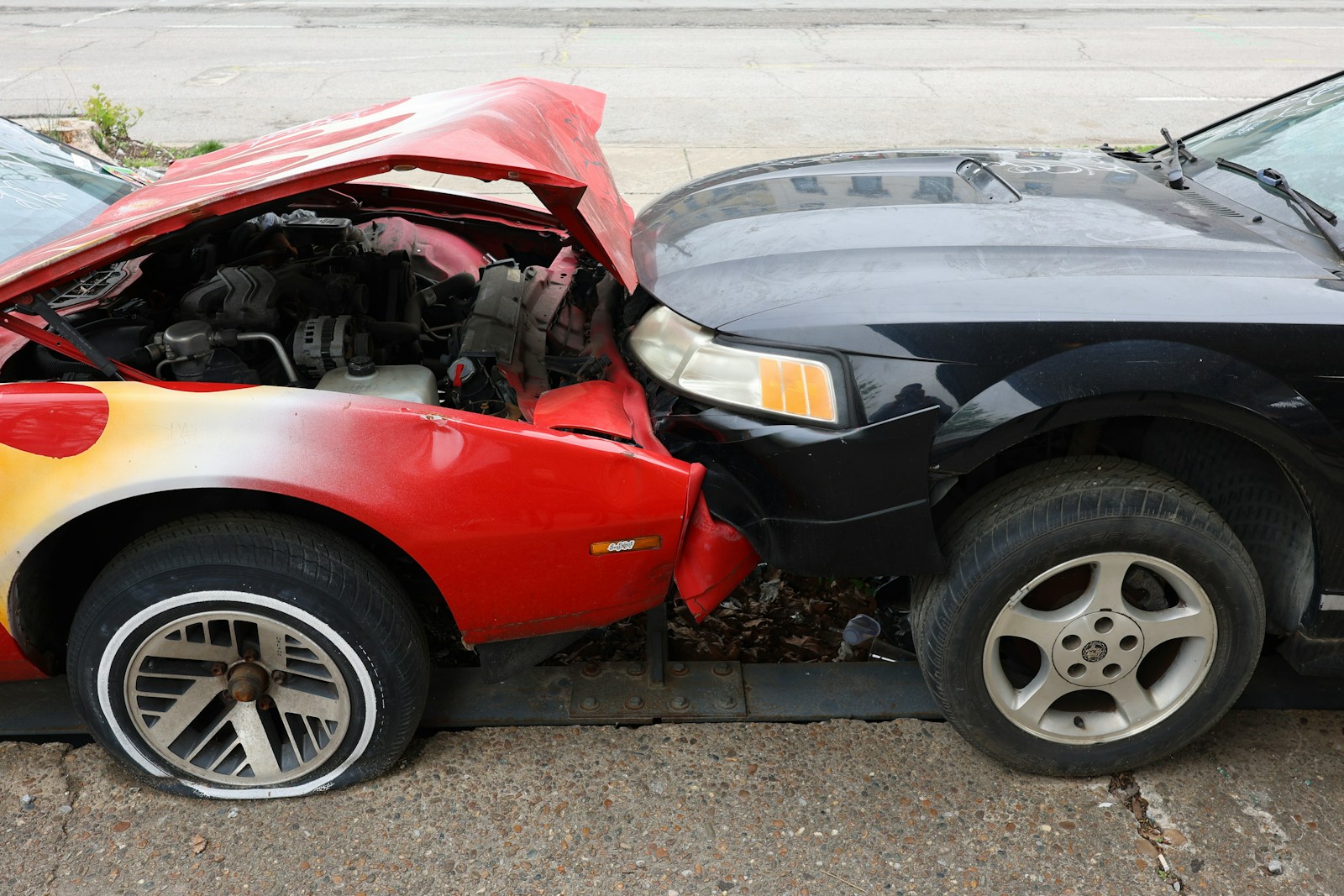

A vehicle repaired after a crash can lose thousands of dollars in resale value the moment “accident reported” appears on its history, even when every repair was done correctly and the car was never close to being totaled. All 50 states allow the owner to file what’s called a diminished value claim against the at-fault driver’s insurance company to recover that loss, according to a state-by-state review of the coverage, yet most drivers never hear the term from their own insurer, because standard collision and liability policies generally don’t pay it automatically. The claim exists specifically to cover the gap between what a car was worth before the crash and what it’s worth after repairs, a gap that title history and buyer psychology make nearly impossible to erase.
What Diminished Value Actually Covers
Diminished value is the difference between a vehicle’s fair market value immediately before a collision and its market value after it has been repaired, even when the repair work fully restores the car’s function and appearance. As ValuePenguin explains, “cars are worth less after being repaired, because there’s no guarantee that the replacement parts are the same quality as the original parts,” a perception buyers and appraisers price in regardless of how the repair was actually performed. Because it’s a third-party claim, it has to be filed against the insurance company of the driver found at fault for the crash, not the vehicle owner’s own policy, and only in cases where the owner wasn’t the one responsible.
How Insurers Actually Calculate the Payout
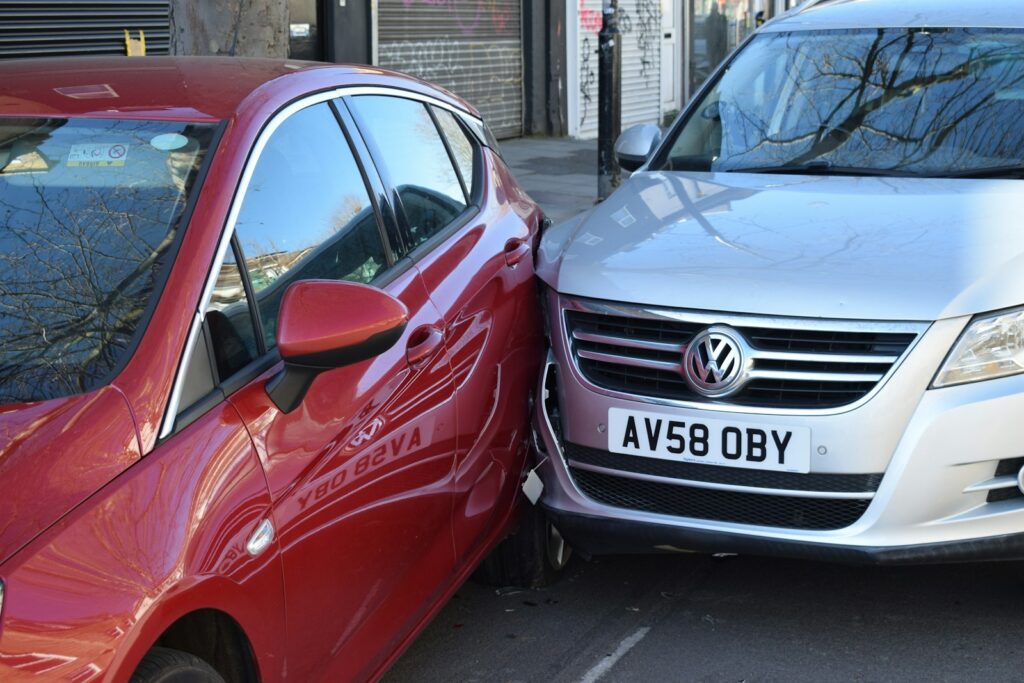
Most insurers rely on a formula known as the 17c method, developed originally by an insurance company and now widely used across the industry despite drawing criticism for understating real losses. The calculation starts with the vehicle’s pre-accident value, applies a flat 10% cap as the maximum possible diminished value, then reduces that ceiling further with a damage severity multiplier and a mileage multiplier, both scaled from 0 to 1.00. A $20,000 vehicle with major structural damage and 62,000 miles on the odometer, for example, might yield a diminished value payout of roughly $600 once both multipliers are applied, a fraction of what an independent appraisal might find, which is part of why consumer finance analysts generally recommend getting a professional, third-party appraisal before accepting an insurer’s own 17c number.
Coverage Varies Sharply Depending on the State
While every state technically permits a diminished value claim against an at-fault driver’s insurer, the practical strength of that right varies widely. Georgia has the most developed case law on the subject, rooted in the state Supreme Court’s decision in State Farm Mutual Automobile Insurance Co. v. Mabry, which established that insurers have a duty to pay diminished value under standard property damage liability coverage. Twenty-one states go further and also allow drivers to recover diminished value through their own uninsured or underinsured motorist coverage when the at-fault party lacks adequate insurance, including California, Georgia, North Carolina, Texas and Virginia, according to the same state-by-state analysis. Filing deadlines differ just as much: Louisiana gives claimants as little as one year to file, while Rhode Island allows up to ten, meaning a driver who waits too long to pursue a claim can lose the right entirely regardless of how strong the underlying damage evidence is.
Documentation Makes or Breaks the Claim
A diminished value claim lives or dies on paperwork the insurer didn’t generate. Repair invoices, before-and-after valuations, and ideally an independent appraisal from a professional appraiser all strengthen a claim, since insurers have little incentive to volunteer a number higher than their internal formula produces. The claim has to be filed with the at-fault driver’s insurance company specifically, not the claimant’s own carrier, which means a driver who was rear-ended or T-boned by someone else needs to know to pursue this separately from the standard property-damage claim that gets the car repaired in the first place.
A Loss That Insurance Rarely Volunteers to Cover
The pattern across every state’s version of this claim is the same: the loss is real and measurable, the right to recover it exists on paper almost everywhere, and none of it happens automatically. An insurer processes the repair bill without prompting; it does not process a diminished value check without the owner asking for one, appraising the loss, and filing against the correct policy before the deadline closes.