

He’d always been the “truck guy” in the relationship, the one with the reliable pickup and the habit of saying yes when someone needed help moving a couch or hauling mulch. It wasn’t flashy, but it was solid, paid for, and he kept it clean in that proud, low-key way people do when they’ve worked hard for something. So when his girlfriend called him mid-afternoon and said, “I messed up,” his stomach dropped before she even finished the sentence.
She told him she’d hit something in a parking lot. Nothing major, she said—just a scrape, a little dent, totally fixable. Then she followed it with the weird part: “Please don’t file insurance. Promise me you won’t.” The request came fast, like she’d rehearsed it, and she kept talking over his questions like momentum could smooth it out.
He drove over expecting to find her standing next to the truck, embarrassed but fine. Instead, the scene felt off immediately: she wasn’t where she said she’d be, the truck wasn’t exactly where it should’ve been, and her voice on the phone had this sharp edge—less “I’m sorry” and more “just do what I’m saying.” The damage, too, didn’t look like a simple bump against a pole.
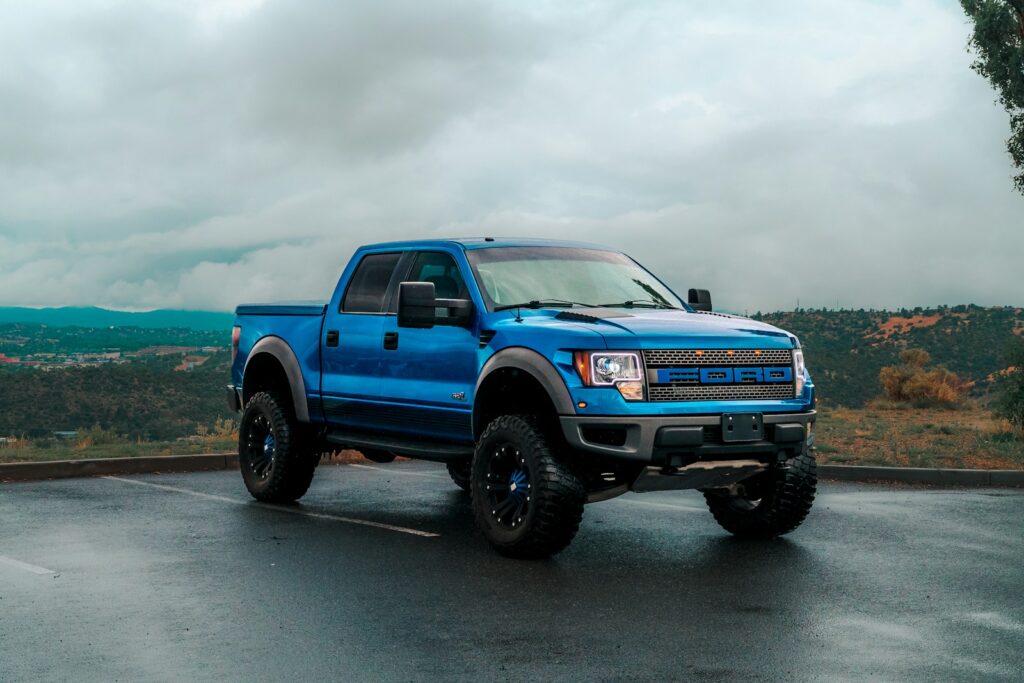
The crash that didn’t match the story
When he finally got eyes on the truck, it wasn’t just a scuff on the bumper. The passenger-side front looked like it had been dragged along something heavy, and the wheel well had the kind of rough, torn-up plastic that happens when you hit at speed or grind against a curb for longer than a second. It was the difference between “oops” and “what were you doing.”
She arrived a few minutes later, breathless and overly talkative, and immediately started narrating the incident before he could ask. “Parking lot was tight, someone pulled out weird, I had nowhere to go,” she said, aiming for casual. Then she pivoted back to the insurance thing, repeating it like it was the main point: “Seriously, don’t call them. I’ll take care of it.”
He asked the obvious questions—where exactly it happened, what did she hit, was anyone else involved. She answered in half-sentences and kept looking at her phone like she was waiting for a message. And when he asked, calmly, if there was a police report or any note left for whoever she supposedly hit, she snapped that it wasn’t like that and he was making it a bigger deal than it needed to be.
“I’ll pay you back” math that didn’t add up
They went back to his place, and he tried to keep it practical: if it’s minor, they can get a quote, decide whether to pay out of pocket, move on. She latched onto that, promising she’d cover the repair “as soon as possible,” and started throwing out numbers like she’d already calculated it. But every time he said, “Okay, let’s just get an estimate,” she found a reason to delay.
First it was timing—she had work, she was stressed, she couldn’t deal with it that day. Then it was control—she insisted on choosing the shop because she “knew a guy” who wouldn’t “overcharge.” Then it was guilt—she started acting wounded that he didn’t trust her, that he cared more about the truck than her feelings, that he was making her feel like a criminal.
That’s when he started getting that cold, quiet suspicion people get when they realize they’re being managed. Not reassured—managed. The insurance thing wasn’t about saving money; it was about keeping something contained, like the paperwork itself was dangerous.
The little clues she didn’t know she left
Over the next day or two, the story got weird in small ways. He noticed the passenger seat wasn’t set the way he left it, and the floor mat had a fresh smear of gritty dirt like someone had stepped in with muddy shoes. Then there was the faint smell—cheap cologne or body spray—mixed with the usual truck scent.
He wasn’t trying to play detective, but the inconsistencies piled up. She’d said it happened near a grocery store, but when he checked that lot, there was no obvious scrape spot, no fresh paint on any poles, no sign of anything. He asked if she remembered which row she was in, and she got irritated again, like the specificity was an accusation.
The big tell came from something stupid: his key ring. He kept a small car wash tag on it that had been cracked for months, and now it was missing. When he asked her about it, she shrugged and said maybe it broke off in the crash. Except the crash she described wouldn’t have touched the keys at all.
The moment he realized she wasn’t the driver
He didn’t get the truth from some cinematic confession. He got it the way people usually do—by stumbling into a detail that doesn’t make sense and refusing to let it go. He was looking for the truck’s registration in the glove box to get ready for a shop estimate, and he found a fast-food receipt crumpled under a manual.
The receipt was from the night before the crash, which already didn’t match her timeline. And it wasn’t just the time; it was the location—across town, near a bar-heavy strip she never went to. He asked her about it, and she said she must’ve gotten food after work and forgotten, except he knew she’d been at his place that night.
He pressed, and she did that thing where someone tries to outpace the conversation with indignation. “Why are you going through my stuff?” she said, even though it was his truck. He reminded her of that, and her face changed—just a flicker, but enough to show she’d realized the angle was wrong.
Then he asked a single, direct question: “Were you even driving?” She didn’t answer right away, and in that pause he basically got confirmation. When she finally spoke, it wasn’t a clean admission; it was a complaint. “It was just for a minute,” she said, like the length of time made it okay.
The other driver, the real reason for “no insurance,” and the blowup
It turned out she’d let someone else take the truck—someone he didn’t know, or at least someone she didn’t want him to know. The details came out in defensive fragments: a friend needed to run an errand, she was tired, it was easier to let him drive, she was right there the whole time. She insisted she hadn’t “loaned it out” like it was some big betrayal; she framed it as a normal, harmless choice that had a freak accident attached.
He asked who the guy was, and she gave a first name only, then got mad when he asked for a last name. She said he didn’t need it because “it’s handled,” and because “nothing happened to anyone.” But the damage on the truck suggested more than a gentle mistake, and the panic about insurance started making sense: if the other driver wasn’t on the policy, or didn’t even have a license, that claim could get messy fast.
That’s when her story shifted again, from “he drove for a second” to “he barely touched the wheel” to “I was basically driving.” She tried to keep the blame floating so it wouldn’t land anywhere solid. And when he said he was filing a claim anyway—because it was his vehicle, his risk, his premiums—she started crying, not in a soft, regretful way but in an angry, cornered way, accusing him of trying to ruin her life over “a dent.”
They had one of those fights where the topic keeps sliding. He tried to talk about responsibility, she kept talking about loyalty. He tried to talk about the policy and the repair, she kept talking about how he should’ve protected her first and asked questions later. And underneath all of it was the bigger thing neither of them could say without detonating the relationship: she’d made a decision about his property, then tried to control his response by keeping him in the dark.
By the end of the night, the truck wasn’t the only thing that felt damaged. He could fix body panels and replace a cracked trim piece, but he couldn’t un-hear the way she’d said “just for a minute” like it erased consent. The last thing he knew for sure was that she didn’t want a claim filed because a paper trail would lead back to the person who actually drove—and whatever else was going on in that “minute” she kept insisting didn’t matter.
More from Steel Horse Rides: