
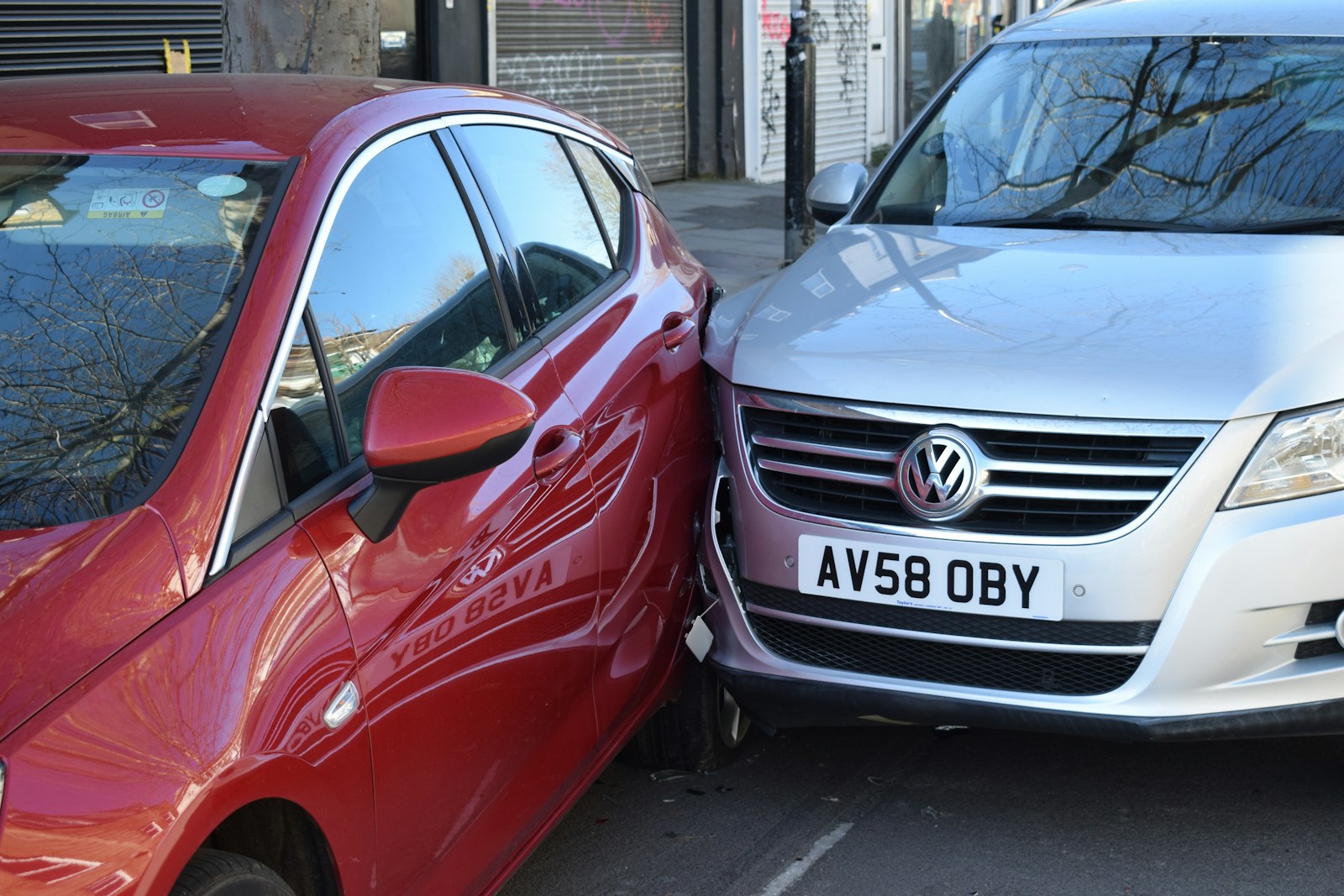

Minutes after a crash, an insurance company will often ask for a recorded statement, and most drivers give one without a second thought because it’s their own insurer calling. The California Department of Insurance confirms this is standard practice, noting in its own consumer accident guide that “your insurance company will contact you for detailed information regarding the loss and may take a written or recorded statement.” What isn’t standard is how well most drivers understand that the same statement, given informally and often before injuries or damage are fully known, can end up shaping how much the claim is ultimately worth.

Cooperation Is Real, but It Cuts Both Ways
Every auto policy contains a cooperation clause, and California’s own consumer guidance is explicit that “the policy requires your cooperation with the company’s subrogation efforts” and that drivers should “cooperate with the insurance adjusters/investigators to aid in their efforts.” That obligation is not optional, and refusing to cooperate at all with your own insurer can put coverage itself at risk. The complication is that a recorded statement is not a neutral formality collected purely to help the policyholder. It is also, simultaneously, a piece of documented evidence the insurer’s claims department can use later, and adjusters are trained to ask questions in a way that pins down details a driver may not yet have fully sorted out, like exact speed, sightlines, or the sequence of events in the seconds before impact.
A driver describing a crash twenty minutes after it happened, still adrenalized and working from incomplete information, will naturally speak in approximations. “I think I was going about 35” or “I didn’t really see them until the last second” are the kinds of statements people make under stress. Once recorded, those approximations become part of the official claim file, and if the driver’s account shifts later as more facts emerge, the recording becomes the version an adjuster can point to as the driver’s real, original account.
What the Guidance Actually Draws a Line Around
The same California brochure draws an unambiguous distinction once a lawsuit enters the picture. Its instruction for that scenario is blunt: “Do not give statements or discuss the accident with anyone except a verified representative of your company.” That single line acknowledges something important: statements about a crash carry legal weight, and who a driver is talking to, and why, matters. The Massachusetts Division of Insurance reinforces the same underlying caution from a different angle, advising claimants to keep detailed records of every conversation with an insurer, including dates, names, and what was actually said, and to request any denial in writing along with “the specific policy language under which the claim is being denied.” That advice only makes sense if insurers can, and sometimes do, rely on things said informally earlier in the process.
Handling the Call Without Refusing to Cooperate
None of this means a driver should stonewall their own insurer, which both agencies’ guidance treats as a real risk to coverage. It means treating a recorded statement with the same care as any other formal record.
- Stick to facts that are actually known and confirmed, and say “I don’t know” or “I’m not sure” rather than guessing at speed, distance, or timing.
- Ask for the interview to be scheduled rather than given on the spot, so there’s time to review the police report and photos first.
- Request a copy of the recording or a written summary for personal records, since the Massachusetts guidance specifically recommends documenting every claims interaction.
Why the Timing Matters More Than the Content
Insurers generally aren’t out to trap policyholders with a single call, but the incentive structure around a recorded statement is real regardless of intent. A claims file built on a rushed, imprecise account taken within hours of a crash gives an adjuster more room to interpret ambiguity in the company’s favor than one built on a careful, fact-checked statement taken once the driver has had time to review the police report and gather their thoughts. Neither the California brochure nor the Massachusetts alert frames this as bad faith on the insurer’s part. Both simply treat the statement as a formal record with real consequences, which is exactly why both agencies emphasize documentation and written confirmation over informal, in-the-moment conversation.
The Bottom Line
A recorded statement isn’t a trap by design, and cooperating with your own insurer is a genuine policy obligation, not a courtesy. But state insurance guidance is consistent on one point: what gets said informally in the first hours after a crash doesn’t stay informal once it’s on tape. Treating that call with the same precision as a written claim form, rather than as a routine box to check, is the difference between a statement that supports a claim and one that quietly narrows it.