
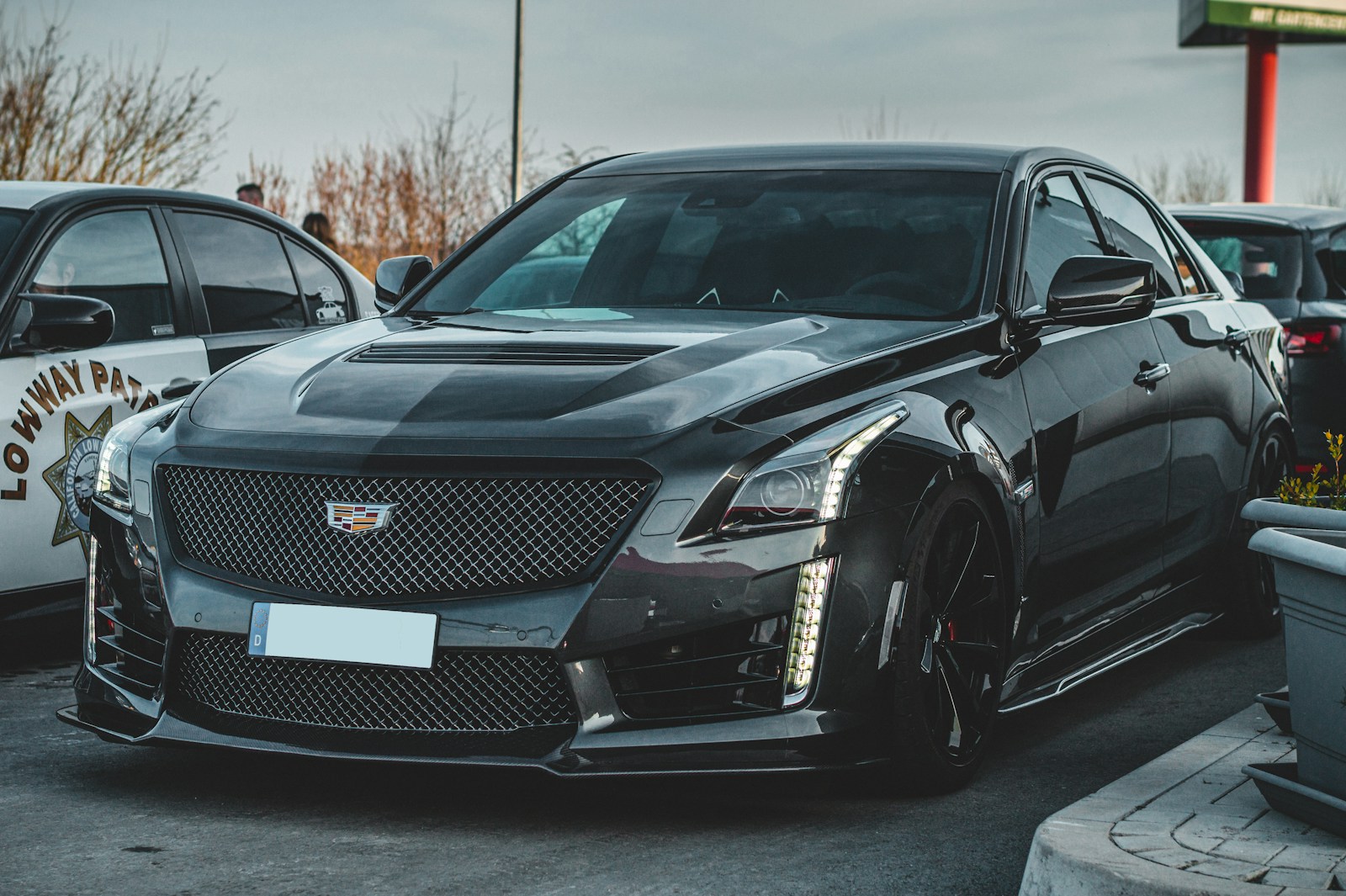

General Motors just locked in a plan to send China-built Cadillac and Buick electric and plug-in hybrid vehicles to Latin America, the Middle East, Africa, and Asia-Pacific starting in October 2026. The vehicles will not be sold in the United States.
The deal behind the shift
On August 4, 2026, GM and its Chinese joint-venture partner SAIC Motor extended their SAIC-GM partnership through 2047, a 20-year renewal signed well before the existing agreement was set to expire, according to CNBC’s reporting on the announcement. The restructured venture narrows to two brands, Buick and Cadillac, with Chevrolet phased out of the joint venture’s lineup entirely.
John Roth, GM’s senior vice president and president of GM China, framed the extension as a growth play beyond China’s own market. “Today’s agreement reflects our shared confidence in SAIC-GM and its long-term growth potential,” Roth said in GM’s statement on the deal. “We see meaningful opportunities to compete in select international markets: the Middle East, Africa, South America, Mexico and Asia-Pacific.”
What’s actually shipping, and where
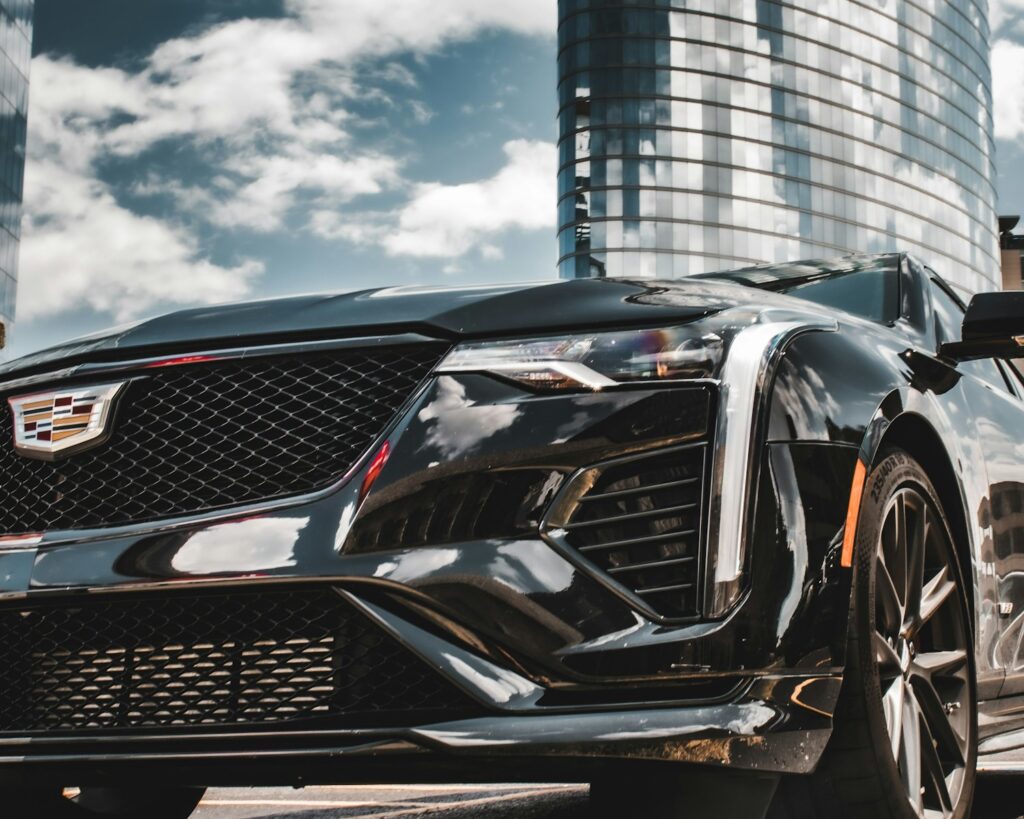
The first vehicle out the door is the Buick Electra E7, a midsize plug-in hybrid SUV that launched in China this past April, according to Electrek’s coverage of the export plan, which reports the E7 delivered more than 10,000 units in its first month on sale — a record for a new-energy-vehicle joint venture in China. Mexico gets Buick NEVs first, with Central America, the Caribbean, and eventually Brazil and Chile following. Cadillac’s China-built NEVs, including Lyriq-V variants, are penciled in for a slower rollout, with Cadillac Experience Centers already opening in Brazil ahead of actual product arriving.
SAIC-GM plans to introduce 30 electrified models by 2030 under the extended venture, repositioning its Chinese factories as an export base aimed at competing with homegrown Chinese brands like BYD and Chery in the same developing markets.
Why none of it comes here
The irony is hard to miss: two of America’s oldest car brands are building electrified vehicles by the tens of thousands and selling them everywhere except their home market. Three things keep that Chinese-built metal out of US showrooms. A 100% tariff on Chinese-made EVs, first imposed during the last trade fight over Chinese EV overcapacity, prices them out of the market before a single unit lands on a dealer lot. Separately, the Commerce Department’s Connected Vehicle Rule restricts sale of vehicles running Chinese-controlled software and connectivity hardware, which would complicate homologating a SAIC-built Buick or Cadillac for US roads regardless of tariffs. And commercially, GM has little incentive to undercut its own US-built Cadillac and Buick lineups — built under UAW contracts — with cheaper Chinese-made counterparts.
The result is a split-brand strategy few American car buyers will ever notice: Buick and Cadillac as US-built, gas-and-EV lineups domestically, and as China-built NEV export brands everywhere else GM can find room to compete with the flood of low-cost Chinese electrics already dominating those same growth markets.