
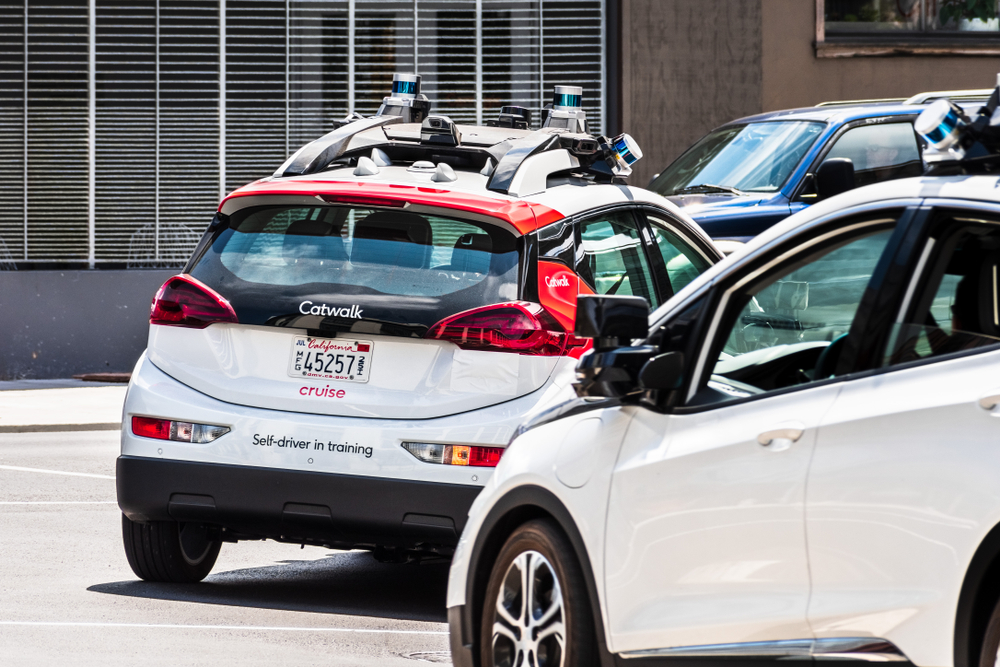

General Motors is attempting to revive its autonomous vehicle ambitions more than a year after a devastating accident brought its Cruise robotaxi program to a grinding halt. The automotive giant is now pivoting away from robotaxis entirely, instead focusing on integrating self-driving technology into personal vehicles that consumers can own. The shift marks a dramatic retreat from GM’s original vision of deploying fleets of driverless taxis across American cities.
The company’s new direction comes after spending nearly $10 billion over a decade trying to make robotaxis a reality. That investment turned into one of the industry’s most cautionary tales when a 2023 incident in San Francisco exposed serious problems with both Cruise’s technology and its transparency with regulators. The fallout was swift and severe, leading to suspended permits, federal investigations, and the eventual shutdown of operations across multiple cities.
The skepticism surrounding Cruise’s comeback isn’t just about past failures. Industry observers question whether GM can rebuild trust while competing against rivals like Waymo, which continues expanding its robotaxi services with a far more cautious approach. The company’s decision to merge Cruise into its existing driver assistance programs signals a more modest vision for autonomous driving, but whether that’s enough to overcome the damage remains unclear.
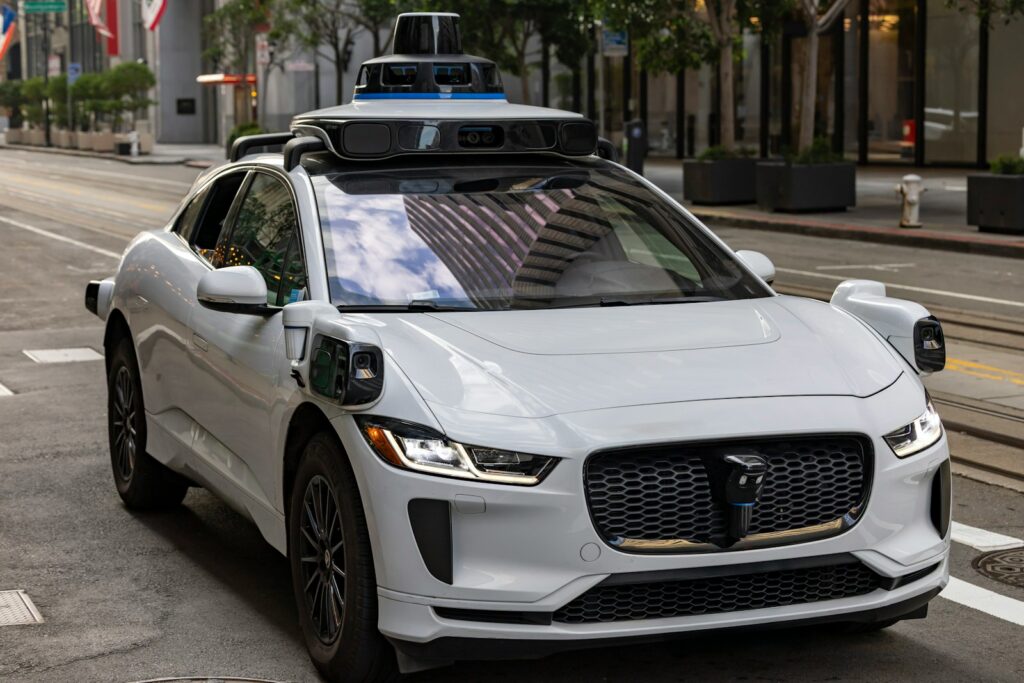
Cruise Robotaxi Comeback: High Stakes, High Skepticism
General Motors spent over $10 billion on its autonomous taxi ambitions before pulling the plug in December 2024, and now the company faces substantial doubt as it attempts to redirect its self-driving technology toward personal vehicles instead of a dedicated robotaxi fleet.
Why GM Halted the Cruise Robotaxi Program
GM canceled its driverless robotaxi program following mounting pressure from an October 2023 accident, escalating costs, and the extended timeline required to build a profitable business. The Detroit automaker had been spending approximately $2 billion annually on Cruise operations alone.
GM CEO Mary Barra cited the increasingly competitive robotaxi market and capital allocation priorities as key factors. The company acquired Cruise in 2016 and maintained about 90% ownership before deciding to fold the unit into its broader tech team.
Honda, which invested $852 million in Cruise, had planned to launch a driverless ride-hailing service in Japan in early 2026 but was forced to reassess those plans. Cruise founder Kyle Vogt, who departed in November 2023, publicly criticized the decision on social media.
Challenges in Scaling Autonomous Taxi Fleets
Operating a robotaxi business requires more than just self-driving technology—it demands extensive fleet management, maintenance operations, and customer service infrastructure. Barra specifically mentioned that “there’s a whole operations piece” that proved more complex than anticipated.
While Cruise struggled to scale, competitors gained ground. Alphabet-owned Waymo expanded commercial robotaxi services across multiple major U.S. metro areas and announced plans to enter Miami. Chinese autonomous vehicle makers including Pony.ai and WeRide rolled out services in overseas markets.
The competitive landscape intensified as Amazon-owned Zoox tested vehicles without steering wheels in San Francisco and other cities. Tesla CEO Elon Musk announced plans to launch a self-driving ride-hailing service in California and Texas as early as 2025, though Tesla’s systems still require human oversight.
Public Trust and High-Profile Incidents
Cruise grounded its driverless operations in October 2023 after a serious crash involving a pedestrian in San Francisco. The National Highway Traffic Safety Administration fined Cruise $1.5 million after the company failed to disclose critical details of the incident.
A third-party investigation found that culture issues, poor leadership, and ineptitude fueled regulatory oversights that led to the accident. The probe examined allegations of a cover-up by Cruise leadership but found no evidence supporting those claims.
The regulatory fallout proved devastating. GM had planned to produce the Origin autonomous vehicle but indefinitely delayed production in July 2024, shifting focus to the next-generation Chevrolet Bolt for autonomous vehicle development instead. The company now redirects its efforts toward driver assistance systems like Super Cruise for personal vehicles rather than pursuing a robotaxi service.
How Cruise’s Retreat Is Shaping the Future of Robotaxis
GM’s decision to pivot away from robotaxis marks a significant shift in the autonomous vehicle industry, redirecting Cruise’s technology toward personal vehicles while competitors like Waymo and Tesla continue to pursue ride-hailing services. The change reflects both the financial challenges of building a robotaxi network and evolving strategies for bringing self-driving features to consumers.
Pivoting From Robotaxi Fleets to Personal Autonomy
After GM shut down Cruise’s robotaxi operations following a $10 billion investment, the automaker announced plans to integrate the technology into personal vehicles instead. The shift came after Cruise laid off over 1,000 employees, including CEO Marc Whitten, as part of a strategic pivot that aimed to save up to $1 billion annually.
The move represents a fundamental change in how GM views autonomous technology. Rather than operating a fleet-based ride-hailing service competing directly with Uber and Lyft, the company now focuses on enhancing personal autonomy features for individual car owners. This strategy potentially reduces the regulatory hurdles and operational complexity that plagued Cruise’s robotaxi business.
GM’s Cruise Technology: What’s Next for Super Cruise and Personal Vehicles
GM’s existing Super Cruise advanced driver assistance system stands to benefit from Cruise’s autonomous vehicle research. The integration could accelerate the rollout of more sophisticated self-driving features in GM’s consumer EVs and traditional vehicles.
The technology transfer from robotaxis to personal cars means buyers might see enhanced hands-free driving capabilities, improved navigation systems, and more advanced safety features. Super Cruise currently operates on mapped highways, but Cruise’s urban driving experience could expand these capabilities to city streets and residential areas.
The timeline for incorporating Cruise technology into production vehicles remains unclear. GM faces the challenge of adapting robotaxi systems designed for continuous operation into features appropriate for personal vehicle ownership.
The Competitive Landscape: Waymo, Tesla, Zoox, and the Industry’s Next Steps
While GM retreats from robotaxis, competitors continue pushing forward. Waymo, owned by Alphabet, currently operates commercial robotaxi services in several U.S. cities and shows no signs of slowing expansion. The company’s sustained commitment demonstrates that Cruise’s exit doesn’t signal the end of the robotaxi industry.
Tesla pursues a different approach with its promised Cybercab, aiming to let owners add their vehicles to an autonomous ride-hailing service. Amazon-backed Zoox develops purpose-built robotaxis without steering wheels or pedals.
Key competitors still in the robotaxi race:
- Waymo – Operating commercial services in multiple cities
- Tesla – Developing Cybercab and Full Self-Driving technology
- Zoox – Building custom autonomous vehicles for ride-hailing
The industry now splits between companies pursuing robotaxi networks and those focusing on selling autonomous technology directly to consumers. GM’s retreat reduces competition in the robotaxi space while potentially accelerating personal autonomy features in vehicles people can actually buy.
More from Steel Horse Rides:
- 13 Most Powerful Muscle Cars of All Time
- 13 Underrated JDM Cars That Deserve More Love
- 15 JDM Cars That Were Illegal in the U.S.
- 13 SUVs From the ’90s That Are Surprisingly Cool Today