


The National Highway Traffic Safety Administration has expanded its investigation into General Motors’ 6.2-liter L87 V8 engine to 997,743 trucks and SUVs, after evidence showed the automaker’s 2025 recall repair failed to stop connecting rod bearings from failing — in some cases on trucks that had already gone through the fix, according to NHTSA’s engineering analysis opened August 20, 2026.
The probe, designated EA26005, grew out of a recall query the agency opened in January to check whether the original remedy actually worked. Based on what investigators found, it didn’t work for everyone.
Key Points
- NHTSA’s Office of Defects Investigation has logged 690 complaints tied to the L87 engine, according to the agency’s own filing.
- Of those, 499 involve engines that had already received GM’s recall remedy: 473 after the oil-viscosity fix and 26 after a full engine replacement, per NHTSA’s investigation summary.
- GM’s own records show 6,953 complaints of post-repair failures, the agency states.
- 191 of the failures involve engines built after the original recall’s May 31, 2024 cutoff date, meaning the problem wasn’t contained to the vehicles GM initially recalled.
- NHTSA’s file lists one crash-and-fire incident and one injury tied to the failures; no deaths have been reported.
What’s Affected
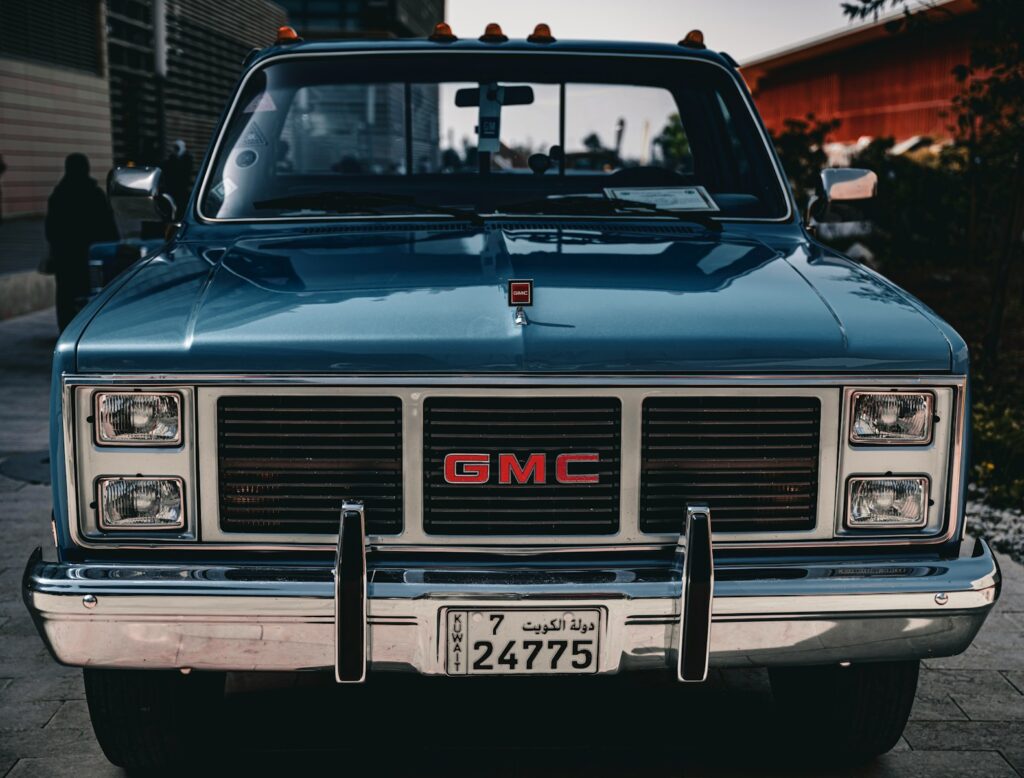
The investigation covers 2021-2026 model year GM vehicles built with the L87 engine, a list that runs through the Chevrolet Silverado 1500, GMC Sierra 1500, Chevrolet Tahoe and Suburban, GMC Yukon and Yukon XL, and Cadillac Escalade and Escalade ESV. That’s most of GM’s full-size gas-V8 truck and SUV lineup, all at once.
The engine was already at the center of an April 2025 recall covering 597,630 vehicles, in which GM told regulators that sediment contamination and out-of-spec crankshaft dimensions were chewing up connecting rod bearings. The fix for engines that passed a dealer inspection was almost disarmingly simple: higher-viscosity oil, a new oil fill cap, a fresh filter. Engines that failed inspection got replaced outright. Regulators now want to know why that wasn’t enough.
What Owners Should Do
- Owners of the listed models should watch for unusual engine noise, knocking, or oil pressure warnings, even if their truck already had the recall repair completed.
- Check current recall status anytime by VIN through NHTSA’s lookup tool at nhtsa.gov/recalls.
- An engineering analysis is a step toward a possible new or expanded recall, not a recall itself. GM has not announced a new remedy covering engines outside the original repair window.
- Anyone who experiences an engine failure should file a complaint directly with NHTSA, which is actively gathering data as the case proceeds.
Nearly a million trucks and SUVs now sit in a kind of regulatory limbo while GM and NHTSA sort out whether the original diagnosis actually found the whole problem. For a platform GM leans on hard for profit, getting the fix wrong twice is the kind of thing that erodes trust a lot faster than it gets rebuilt.