
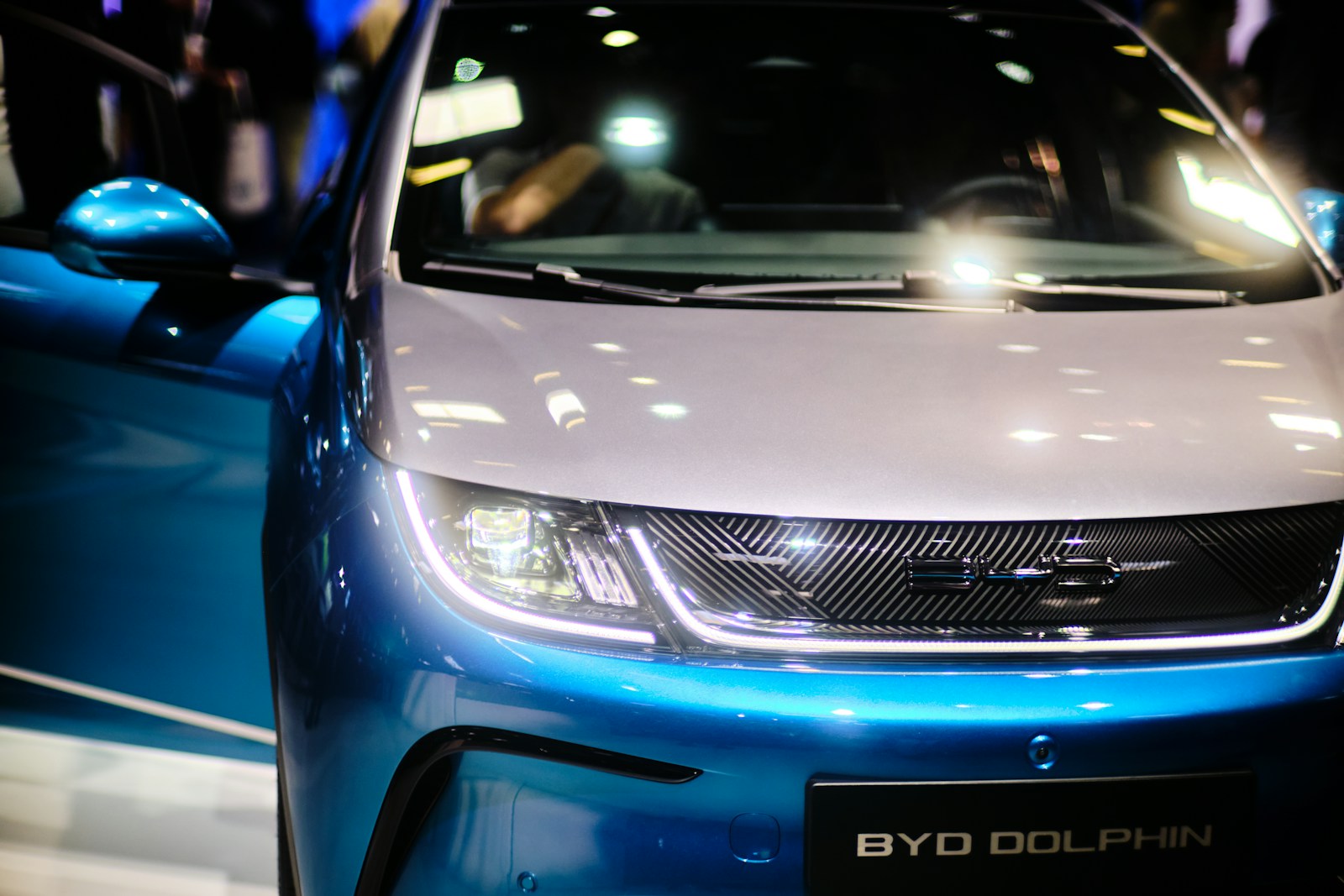

China’s national purchase-tax break for electric vehicles is being cut in half starting this year, according to the joint policy document issued by China’s Ministry of Finance and tax authorities outlining the wind-down of new-energy-vehicle incentives that helped make Chinese EVs the cheapest in the world.
What Changed
- From 2024 through 2025, qualifying new-energy vehicles received a full purchase-tax exemption worth up to RMB 30,000 (roughly $4,170) per vehicle.
- Starting in 2026 and running through 2027, that exemption is cut by half, to RMB 15,000 (about $2,078) per vehicle, under the government’s own published schedule.
- The policy covers the purchase tax only — there is currently no indication Beijing will renew direct cash subsidies for EV buyers at prior levels, according to the same policy documentation.
The original policy framework traces back to a June 2023 announcement from Chinese tax and industry authorities, which laid out a multi-year phase-down rather than a sudden cutoff — but 2026 is the year the reduction actually lands in buyers’ wallets.

Why American Buyers Should Care
No Chinese-brand EVs are sold in the United States, so the direct effect on U.S. showrooms is zero. The indirect effect is not. China’s domestic EV market is the largest in the world by volume, and Chinese battery manufacturers supply a substantial share of the cells and battery materials used globally, including by automakers that do sell in the U.S. market.
When a government subsidy artificially compresses vehicle prices in the world’s biggest EV market, it also compresses the economics up the entire supply chain — battery cell pricing, raw material contracts, and manufacturing capacity utilization all get built around that subsidized demand. Pulling half of that support back out reshuffles those economics, and battery and raw-material pricing tend to move globally, not just within China’s borders.
Key Points
- Half the tax break disappears in 2026 — from RMB 30,000 to RMB 15,000 per qualifying vehicle.
- China’s overall economic slowdown has already been weighing on NEV sales growth even before this reduction takes full effect.
- American buyers won’t see Chinese-brand EVs on dealer lots, but battery and material pricing trends set in the Chinese market have historically fed through to global EV and hybrid pricing over time.
For now, the practical takeaway for U.S. shoppers is patience rather than panic: this is a slow-moving structural shift in the world’s largest EV market, not a single event that will move sticker prices at an American Ford or Hyundai dealership overnight. But the era of Beijing propping up EV affordability with blank-check tax breaks is, by its own government’s published schedule, already half over.