

There are few sights in the muscle car world that make a heart skip like a 1968 Dodge Charger R/T that has been sitting for years. The crew at graveyardcarzshow opens their video with the news: they just bought one. It has been in a storage facility for years, and it carries a 440 Magnum. The big question they ask is the one everyone wants answered: can we give this thing a start?
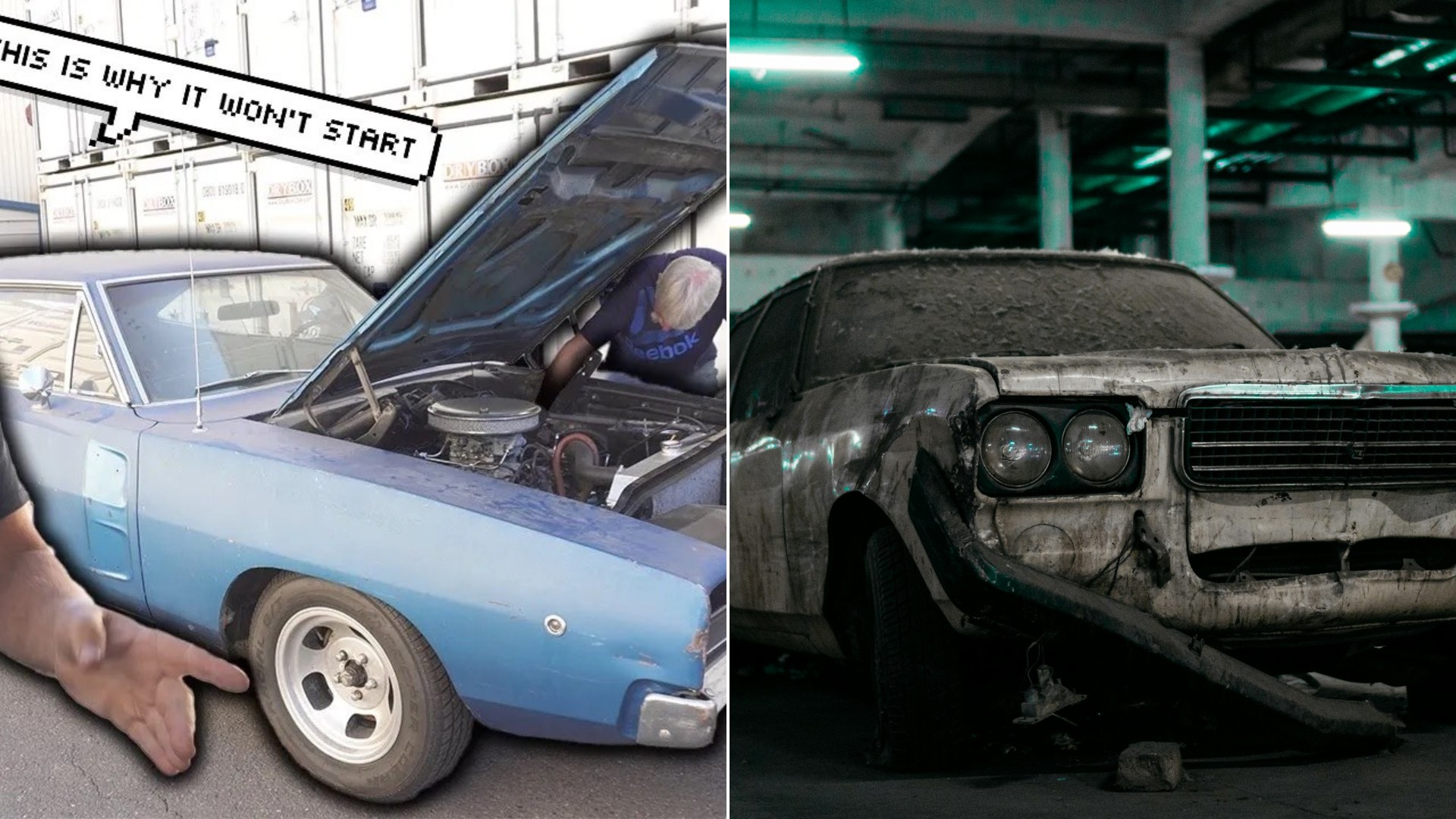
That question is the heart of the barn find genre. A car like this has a story, a history and a long list of unknowns. Will the engine turn over? Will it fire? What has time done to it? The video follows that adventure from the moment the crew gets their hands on it.
Why the 1968 Charger R/T Is a Big Deal
The 1968 Dodge Charger is widely regarded as one of the most beautiful muscle cars ever built. Its Coke-bottle shape, hidden headlights and full-width tail lamps made it a star on the street, and later on screen. The R/T, which stands for Road and Track, was the performance version, and the 440 Magnum V8 was the big-block engine that came in it as standard. It was a serious piece of Detroit muscle, and today the car is a favorite of collectors. The value of an original R/T can be significant, which is why finding one in storage gets enthusiasts talking. Condition, originality, matching numbers and documentation all play a role in what a car like this is worth, so every detail the crew uncovers matters.
What Happens to a Car in Storage
A storage facility is better than an open field, but years of sitting still can leave their mark. Here are some of the issues that a car like this can have, and what a careful crew looks for before turning the key.
- Old fuel. Gasoline breaks down over time, leaving varnish and gummy deposits that can clog the tank, lines and carburetor. Fresh fuel and a clean system are the first priority.
- Stale oil and stuck parts. Without regular use, oil drains away from internal surfaces. Engines left for years can have rusty cylinder walls or stuck rings and valves.
- Seized brakes and tires. Brake parts can rust in place, and old tires can crack and lose air. Rolling the car out safely may call for new rubber or a trailer.
- Pests. Mice and other animals love to nest in engine bays, seats and air cleaners, and they can chew wiring.
- Battery and electrical trouble. An old battery will almost certainly need replacing, and corroded connections can stop power from flowing.
- Leaking seals and hoses. Rubber dries out. Radiator hoses, belts and seals should be inspected before the engine is run.
How to Wake Up a Sleeping Big Block
Restorers have learned over the years that patience is the best tool. Rushing a start on a long-dormant engine is the quickest way to turn a find into a repair bill. A sensible process usually looks like this.
- Look it over. Check the oil and coolant, inspect the belts and hoses, and look for leaks, rodent nests and obvious damage.
- Turn the engine by hand. Using a wrench on the crankshaft bolt, rotate the engine slowly to make sure it is not seized. Many people also pull the spark plugs and add a little oil to the cylinders to help lubricate them.
- Change the fluids. Fresh oil and filter, new coolant and clean fuel are cheap insurance.
- Deal with the fuel system. Drain or replace the old gas, clean or replace the filter, and check the carburetor and fuel pump.
- Bring in fresh power. A new battery and clean cables give the starter and ignition a fair chance.
- Check the ignition. Inspect the plugs, wires, distributor cap and points, and confirm that there is strong spark.
- Start carefully. Once the engine fires, watch for oil pressure right away, listen for knocks and keep a close eye on the temperature.
What to Remember When You Find One
If you ever come across a classic that has been stored for years, think before you start the engine. A car that sat for decades is a time capsule, and it deserves a careful approach. Document everything with photographs. Look for build sheets, window stickers, receipts and other paperwork that help prove what the car is. Be honest about what you can handle, and call in a specialist if the job goes beyond your skills.
Whether this particular Charger fired right up or needed more coaxing, the crew shows why people love these stories. There is nothing like the idea of a 440 Magnum waking up after years of silence. It is a reminder that some cars, with a little care and a lot of patience, are always ready for a second chance.
More Stories You May Like
- Project Car Builder Hauls A Rare Jeep Wagoneer Out Of A Junkyard On A Two Hundred Dollar Craigslist Trailer And Calls It The Stupidest Thing He Has Done In A While
- Crew Rescues A Yellow 1977 Porsche 911 Targa That Sat In The Woods For About Twenty Years Then Power Washes The Dirt Off And Polishes Faded Paint
- Car Shopper Found Cars That Had Sat on the Dealer’s Lot for Months Already Overpriced and Then the Dealer Said There Was No Wiggle Room at All