
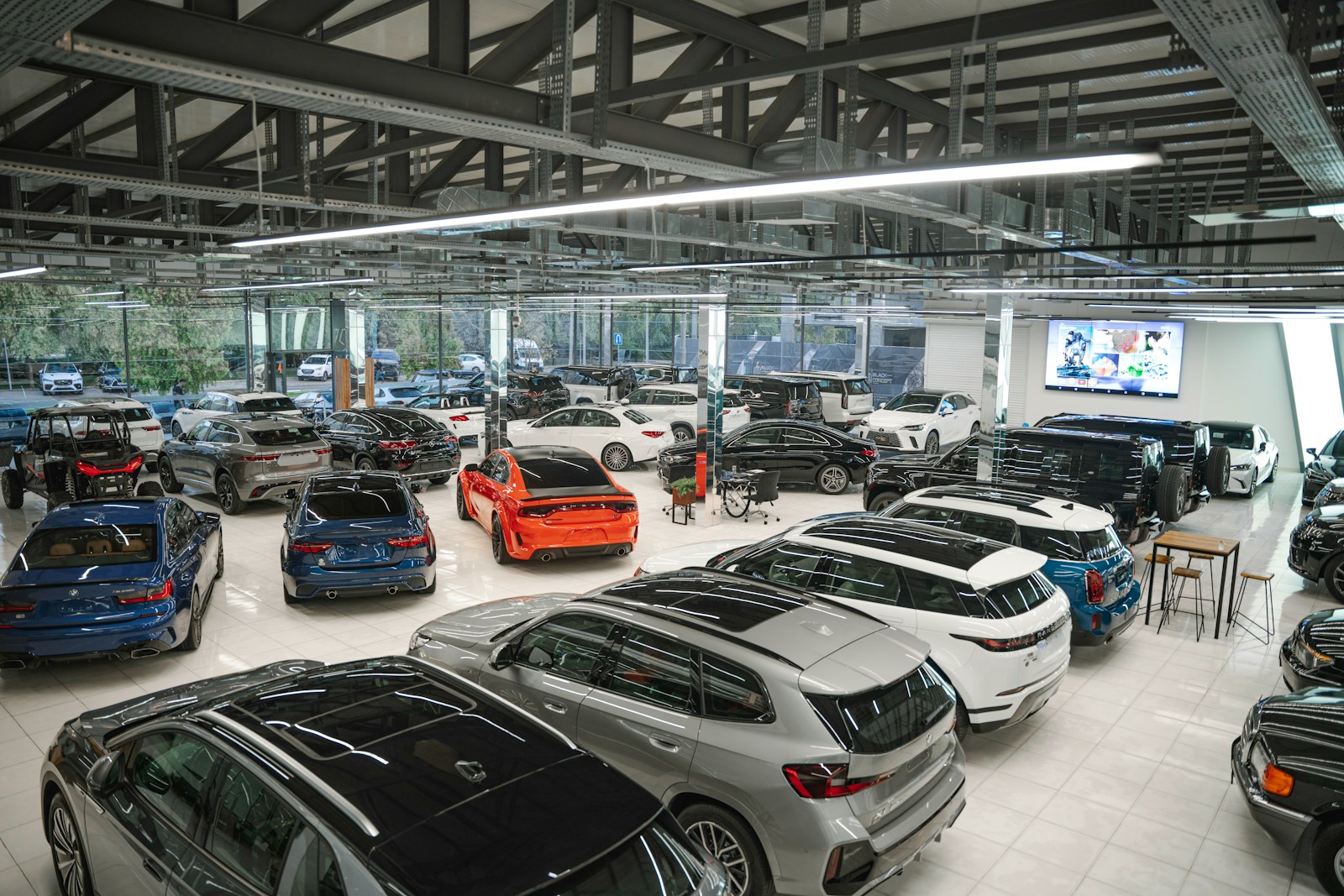

The Dacia Sandero has been Europe’s best-selling car with private buyers every year since 2017, according to Renault Group’s own reporting, with more than 2.6 million sold across three generations since 2008. It has never been sold in the United States, and there are no plans to change that. That single fact says more about how American auto regulation actually works than any conspiracy theory about protectionism ever could — because the real reason has nothing to do with Americans not wanting cheap cars, and everything to do with what it costs a manufacturer just to be allowed to sell one here.
Federalizing a car costs thousands of dollars per unit before the first sale
A car built to European or UN regulations cannot simply be shipped to an American dealer lot. It has to be re-engineered and certified to Federal Motor Vehicle Safety Standards, and NHTSA’s own commissioned cost study found that FMVSS compliance added an average of $2,428 to the cost of a model-year-2019 passenger car — 9.2% of the vehicle’s total cost. For a mainstream sedan already priced at $35,000, that’s a rounding error. For a car whose entire identity is being sold at rock-bottom margins to price-sensitive buyers, it can erase the profit on every single unit before a single one is sold.
Renault Group’s own data shows exactly who buys the Sandero, and why that buyer doesn’t exist in the US calculation
Renault Group states that 64% of Sandero buyers cite price as their primary purchase motivation, with a large share living in rural areas and small towns rather than major cities. That customer profile is the entire business case for the car — and it’s precisely the customer least able to absorb thousands of dollars in added federalization cost passed through as a higher sticker price. A car engineered from the ground up to hit a low European price point doesn’t survive contact with American certification requirements at the same price point; it either gets more expensive than the market segment it was built for, or the automaker eats a loss on every sale.
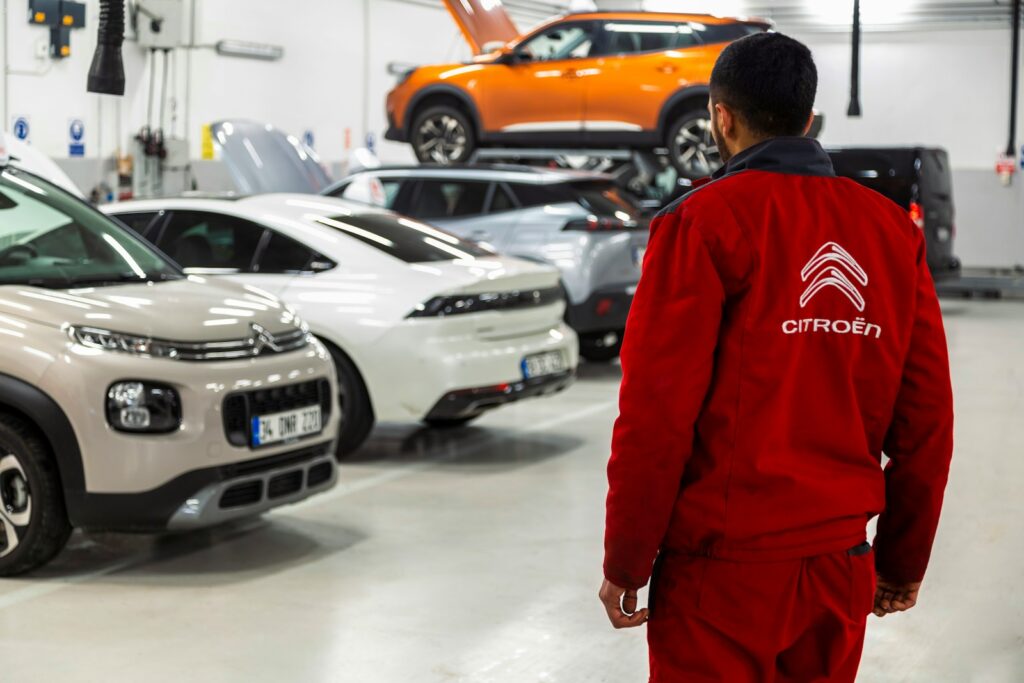
Emissions certification adds a second toll booth, per model, per year
Safety standards are only half of it. Under EPA rules, a manufacturer pays a baseline federal certification fee of $27,347 per test group just to certify a light-duty vehicle’s emissions for a single model year, adjusted annually for inflation, on top of the actual engineering work needed to meet US emissions rules that differ from European ones. That fee applies whether the manufacturer expects to sell 200,000 units or 2,000 — which is exactly why cars like the Fiat Panda, one of Europe’s most popular city cars for over four decades, have never bothered to clear US certification at all. There’s no US-market Panda to certify because Fiat’s American arm sells almost nothing at that price point to begin with; running the entire regulatory gauntlet for a car with no dealer network built to sell it simply doesn’t pencil out.
Even an American-owned European brand couldn’t make the math work
Opel spent decades as General Motors’ own European division, but GM never brought Opel-badged small cars to US showrooms despite owning the brand outright — it was cheaper to let Opel sell into Europe’s small-car market on its own regulatory turf than to federalize its lineup for America. GM ultimately sold Opel and its UK sibling Vauxhall to PSA Group in 2017, and Opel is now part of Stellantis — the same parent company that owns Jeep, Ram, Dodge, and Chrysler in the US. Even with a shared corporate parent already running a full American dealer network, Opel’s small hatchbacks and city cars still aren’t federalized for US sale, because the calculation that kept them out under GM ownership hasn’t changed under Stellantis ownership.
None of this is a mystery being hidden from American buyers — it’s arithmetic that automakers run on every model, every year, and the answer keeps coming out the same way for budget-focused European hatchbacks. The safety and emissions rules that keep American roads among the safer ones in the world are the identical rules that make a car built to sell for the price of a European city runabout structurally incompatible with ever reaching a US curb.