

A 2026 Toyota Highlander Hybrid costs $2,515 more than its gas-only sibling, yet Kelley Blue Book pricing data shows it also cuts roughly $50 a month off fuel costs by returning 35 mpg combined against 24 mpg for the standard all-wheel-drive version. Run that gap out and the hybrid pays for its own premium in well under four years, long before most owners trade the vehicle in. Not every hybrid SUV on sale closes that gap so quickly. A trim-by-trim comparison of 2026 models found some hybrids essentially free to own from day one, while others carry a large enough premium that a driver could be waiting nearly a decade to break even, if the math ever fully closes at all.
Some Hybrids Cost Almost Nothing Extra to Buy
At the low end of the spread, the price gap between a gas SUV and its hybrid counterpart has nearly disappeared for some automakers. A matched-trim analysis of 2026 models by The Weekly Driver found the Honda CR-V Sport-L AWD hybrid carries a premium of roughly $200 over the equivalent gas trim, while delivering 37 mpg combined versus 29 mpg for the gas version, a gap so small it recovers itself almost immediately in fuel savings. The Ford Escape ST-Line AWD hybrid goes further still: in matched-trim pricing, it actually lists for about $1,725 less than the equivalent gas Escape while returning roughly 39 mpg against 26 mpg for the gas model, according to the same analysis. Edmunds’ own pricing breakdown shows a narrower but still favorable gap when comparing base gas and hybrid trims, with the hybrid’s EPA-rated 40 mpg combined figure representing roughly a third better fuel economy than the turbocharged gas engine’s 30 mpg.
The Middle of the Pack Still Pays Off Within a Few Years
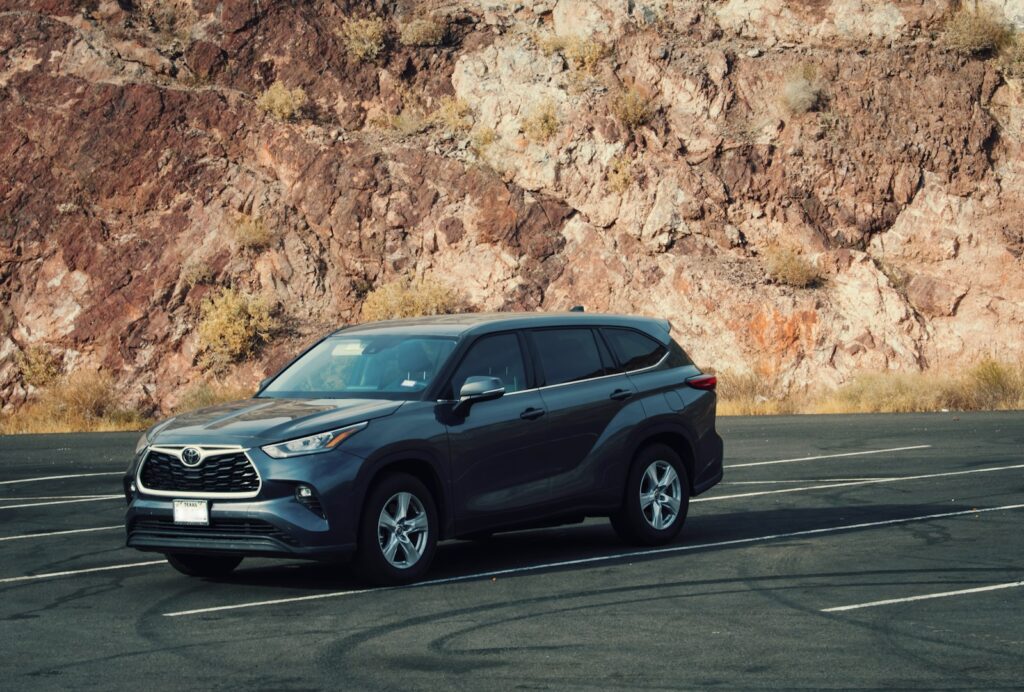
Several other mainstream hybrid SUVs land in a middle tier where the premium is real but modest enough to recover well inside typical ownership windows. The Hyundai Santa Fe hybrid’s entry AWD trim carries about a $1,350 premium over its gas counterpart while improving fuel economy from 23 mpg to 34 mpg combined, a gap The Weekly Driver’s model calculated as paying back in roughly 2.3 years under typical driving. The Toyota Highlander Hybrid’s base LE AWD trim, with its $2,070 premium and jump from 24 to 35 mpg, breaks even in about 3.75 years by the same analysis, a timeline that shortens further on higher trims where the price gap narrows. The Hyundai Tucson SEL AWD hybrid, carrying about a $1,600 premium for a 26-to-36-mpg improvement, lands around 3.6 years to payback. In each case, the buyer recoups the entire premium in fuel savings well before the loan is paid off.
Other Models Ask Buyers to Wait Years Longer
The math looks very different for hybrid SUVs where the premium is steep relative to the mpg gain. The Kia Sorento EX AWD hybrid carries roughly a $3,400 premium over its gas counterpart, the largest gap in the comparison, for a fuel economy improvement from 25 to 34 mpg. At that ratio, The Weekly Driver’s five-year model shows the hybrid recovering only about 65% of its purchase premium in fuel savings over five years of typical driving, meaning a full payback isn’t reached until close to eight years of ownership, well past the point where many owners have already traded the vehicle in. For buyers who don’t keep a vehicle that long, or who rack up fewer miles than average, that premium may never fully pay for itself in fuel savings alone.
Why the Spread Between Models Is So Wide
The variation comes down to two separate numbers that don’t always move together: how much extra the automaker charges for the hybrid powertrain, and how much fuel economy that powertrain actually delivers. A small premium paired with a large mpg jump, as with the CR-V or Escape, pays back almost immediately regardless of how many miles a driver puts on the car each year. A large premium paired with a modest mpg jump, as with the Sorento, requires either high annual mileage or many years of ownership to close the gap, and for some buyers, gas prices and driving habits mean it never fully does.
The Sticker Price Only Tells Half the Story
Comparing a hybrid SUV to its gas equivalent on sticker price alone obscures more than it reveals, since a $3,400 premium and a $200 premium can sit on window stickers that otherwise look similar. What separates the hybrids that pay for themselves quickly from the ones that don’t isn’t badge or brand — it’s the specific ratio between what the automaker charges for the technology and how much fuel economy that technology actually returns, trim by trim.