
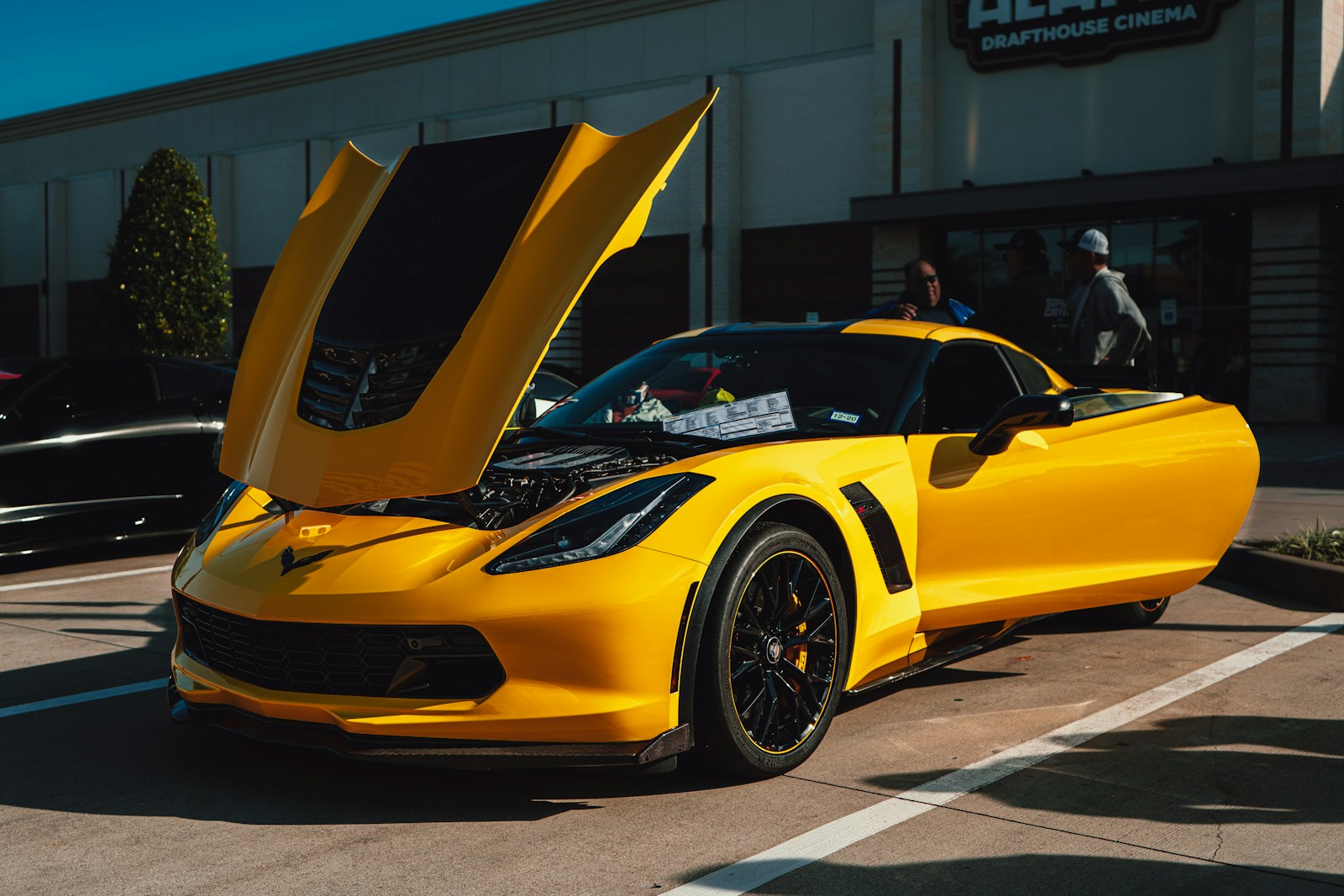

A silver Corvette struck a man near Miami’s hospital district in July 2025 and kept going, leaving him with cuts and bruises after he was launched onto the hood, according to CBS News Miami’s report on the incident. Miami Police are still investigating. It’s the kind of case that plays out constantly across the country, and the driver getting away with it is becoming less the exception than the rule.
Fifteen percent of all police-reported crashes in the United States in 2023 involved a driver who fled the scene, the highest share recorded in any recent year, according to a AAA Foundation for Traffic Safety study. Among fatal crashes, the numbers get grimmer still: 25 percent of pedestrian deaths and 21 percent of cyclist deaths in 2024 involved a hit-and-run driver, according to NHTSA’s own crash statistics research note.

Key Points
- 15% of all reported crashes nationwide in 2023 involved a fleeing driver, per AAA’s research, the highest rate in recent memory.
- Hit-and-run drivers in fatal crashes skew young and reckless: 40% had no valid license and more than half were driving unregistered vehicles, according to the same AAA Foundation study.
- Most hit-and-run fatal crashes happen late at night or in the early morning, when there are fewer witnesses and less traffic to slow a fleeing driver down.
- A Corvette involved in a Miami hit-and-run in July 2025 fled after striking a man attempting a turn; the driver has not been publicly identified as of this writing.
Why High-Value Cars Like Corvettes Are Common Flashpoints
A Corvette parked at a gas station pump or in a shopping center lot is a distinctive, low, wide target that’s easy to clip while backing out or squeezing through a tight aisle. Its owners tend to notice damage immediately and pursue it aggressively, in part because Corvette bodywork, especially the composite and carbon-fiber panels on newer C7 and C8 generations, is expensive to source and repair even for a scuff that would be a minor cosmetic fix on a mainstream sedan. That combination, a car that gets hit easily and an owner motivated to chase down who did it, is exactly why these incidents tend to surface publicly rather than getting quietly absorbed into an insurance claim.
What Readers Should Actually Do
- Do not personally chase a fleeing driver, whether on foot, in your own car, or on a motorcycle. A chase turns one crime into two potential ones and puts you and other drivers at risk.
- Call 911 immediately and give dispatchers the direction of travel, vehicle description, and plate number if you caught it.
- Check for security or dashcam footage from your own vehicle or nearby businesses before it gets overwritten; many gas stations and lots only retain footage for a matter of days.
- File a police report even if the damage seems minor. A documented report is usually required for insurance to cover hit-and-run repairs, and it adds to the data pool investigators use to spot repeat offenders.
- If you’re a witness rather than the victim, stay and give a statement. Witness accounts are often the only lead police have once a driver is gone.
None of this makes the moment of watching someone drive away after hitting your car any less infuriating. But the data is consistent: fleeing drivers who get caught are usually caught because someone had a plate number or a clear piece of footage, not because someone gave chase. The instinct to run after the car is understandable. The stop, call, and document instinct is the one that actually gets a case solved.