
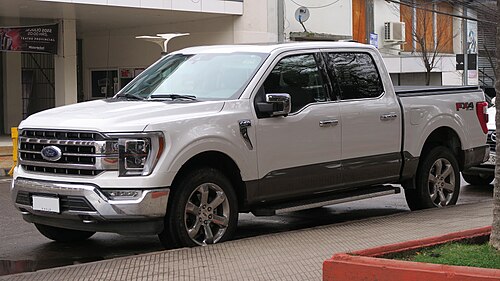

You follow the money: Honda and Ford have booked massive losses on electric vehicle programs and are scaling back models and investments, a move that already clouds resale prospects for certain EVs. If you own—or are planning to buy—one of the affected models, expect weaker resale demand and the possibility of faster-than-normal depreciation.
They made these changes after multibillion-dollar write-offs and strategic reviews, shifting resources away from some pure-EV projects and rethinking future launches. The article explains why the automakers pivoted, which models face the biggest resale risk, and what owners can do now to protect value.
Billions Lost: Why Honda and Ford Are Cutting Electric Vehicle Programs
Both automakers face heavy write-downs and shrinking demand that forced a strategic retreat from certain full-EV models toward hybrids, smaller EVs, and other businesses like energy storage. Executives cite poor margins, high battery costs, and changing policy incentives as core drivers.
Honda and Ford’s EV Losses and Write-Offs
Ford has taken large charges tied to its Model e division, including a multibillion-dollar asset write-down and ongoing operating losses that pushed cumulative EV losses into the double digits over recent years. Management says breakeven for Model e won’t occur until later in the decade, and that continuing to fund loss-making large EV programs would drag overall EBIT and cash flow.
Honda has also reported heavy projected losses from some EV initiatives and is reassessing its rollout to avoid repeating capital-intensive mistakes. Both companies point to sustained manufacturing and battery-cost pressure, plus mismatch between product pricing and buyer willingness to pay, as reasons for booking impairments and slowing investment.
Pullback on Models Like F-150 Lightning and Prologue
Ford announced it will stop certain large EVs production and retool or repurpose lines—for example, the all-electric F-150 Lightning program faces major changes and asset charges tied to reduced volume expectations. The Lightning’s planned scale failed to materialize, prompting redeployment of some plants and workforce toward gas and hybrid F-150 variants and other higher-margin trucks.
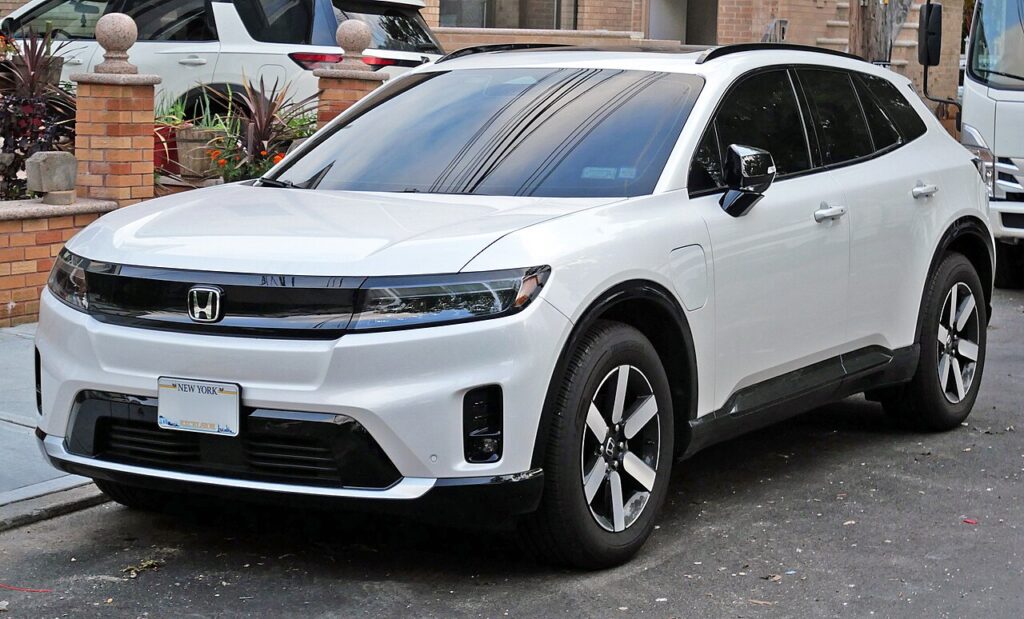
Honda’s Prologue electric SUV saw similar headwinds: expectations for volume and profitability shifted downward, prompting the company to scale back cadence and reconsider platform choices. Both firms now emphasize smaller, lower-cost EVs and hybrids rather than continuing to fund expensive large-EV projects that lack clear customer demand.
Market Changes After Loss of Incentives and Policy Shifts
Demand weakened notably after federal tax credits changed and some incentives phased out, which cut the effective price advantage of many EVs. Regulators and recent policy shifts under the Trump administration influenced manufacturer economics and consumer timing, reducing near-term demand for battery-only models and complicating resale-value forecasts.
Tariffs, supply-chain disruptions, and persistently high battery-material prices further undermined margins. Automakers responded by reallocating capital toward hybrids, plug-in hybrid options, and battery energy storage projects that can reuse factory capacity and improve near-term returns, rather than doubling down on large, low-margin EV pickups and SUVs.
Comparisons With General Motors and Other Automakers
General Motors also recorded large EV-related charges and trimmed production plans, though its approach differed in timing and scale. GM’s write-downs and production cuts mirror the industry-wide reassessment but often focus on faster pivoting to smaller, more affordable models and platform consolidation.
Other OEMs have likewise shifted strategies: some invest in universal EV platforms to lower unit costs, while others convert battery plants to energy-storage lines to capture different margins. Together, these moves signal a broader industry pivot away from initial large-scale, high-cost EV bets toward diversified powertrain mixes and new revenue streams.
EV Model Pullbacks and Uncertain Resale Value: What Current and Future Owners Need to Know
Manufacturers are narrowing EV lineups, redirecting investment to higher-margin products and hybrids. That shift leaves some electric models parked in limbo and affects purchase decisions, insurance, and resale expectations.
Models at Risk: F-150 Lightning, Prologue, and Others
The Ford F-150 Lightning faces mixed signals: strong demand among truck buyers but pressure from Ford to cut losses and prioritize profitable variants. That could mean slower software updates for lower-trim Lightning trucks, reduced dealer support for older units, or longer wait times for parts—each factor that can dent resale prices.
Honda’s Prologue has uncertain backing after corporate reassessments of EV spending. If production slows or marketing support wanes, dealer inventory and consumer confidence may drop, accelerating depreciation for early Prologue owners.
Other models at risk include niche electric vans and lower-volume “affordable EV” entries that rely on scale. Reduced production can push repair costs and insurance premiums up, since parts become scarce. Buyers who rely on EV incentives or fast-charging infrastructure should weigh resale risk before choosing these at-risk models.
How Resale Value Is Affected by Sudden EV Strategy Shifts
Resale value reacts quickly to strategy changes. When automakers announce pullbacks, used-vehicle supply often spikes from leases and canceled fleet orders, which pushes prices down. Wall Street reactions and headlines can amplify this, as investors price in weaker margins and signal less confidence.
Practical impacts include higher depreciation rates, rising insurance rates for vehicles with limited service networks, and lower trade-in offers at dealers who anticipate slower demand. Weather and regional factors matter: in cold climates where battery performance degrades faster, resale takes an extra hit. Buyers planning travel or moving to areas with sparse charging should factor that into resale forecasts.
Maintenance and software support timelines also shape value. If manufacturers cut OTA updates or shorten warranties, prospective buyers discount future usability. Hybrid and gas-powered alternatives often hold steadier value because their service networks and parts are widely available.
Hybrid and Gas-Powered Vehicles Take Center Stage
With EV programs scaled back, automakers are funneling resources to hybrids and traditional gas models. Ford and Honda expanding hybrid options can stabilize resale expectations for buyers wanting lower risk. Hybrids combine improved fuel economy with established dealer support and predictable repair costs.
Buyers who prioritize long-term value may opt for popular hybrid trims or proven gas-powered models instead of uncertain EVs. Fleet managers and those who travel frequently will likely choose vehicles with broad service networks to minimize downtime. In Europe and other regulated markets, pending EU rules may still push EV adoption, but for many U.S. shoppers the immediate economics favor hybrids and combustion models.
More from Steel Horse Rides: