
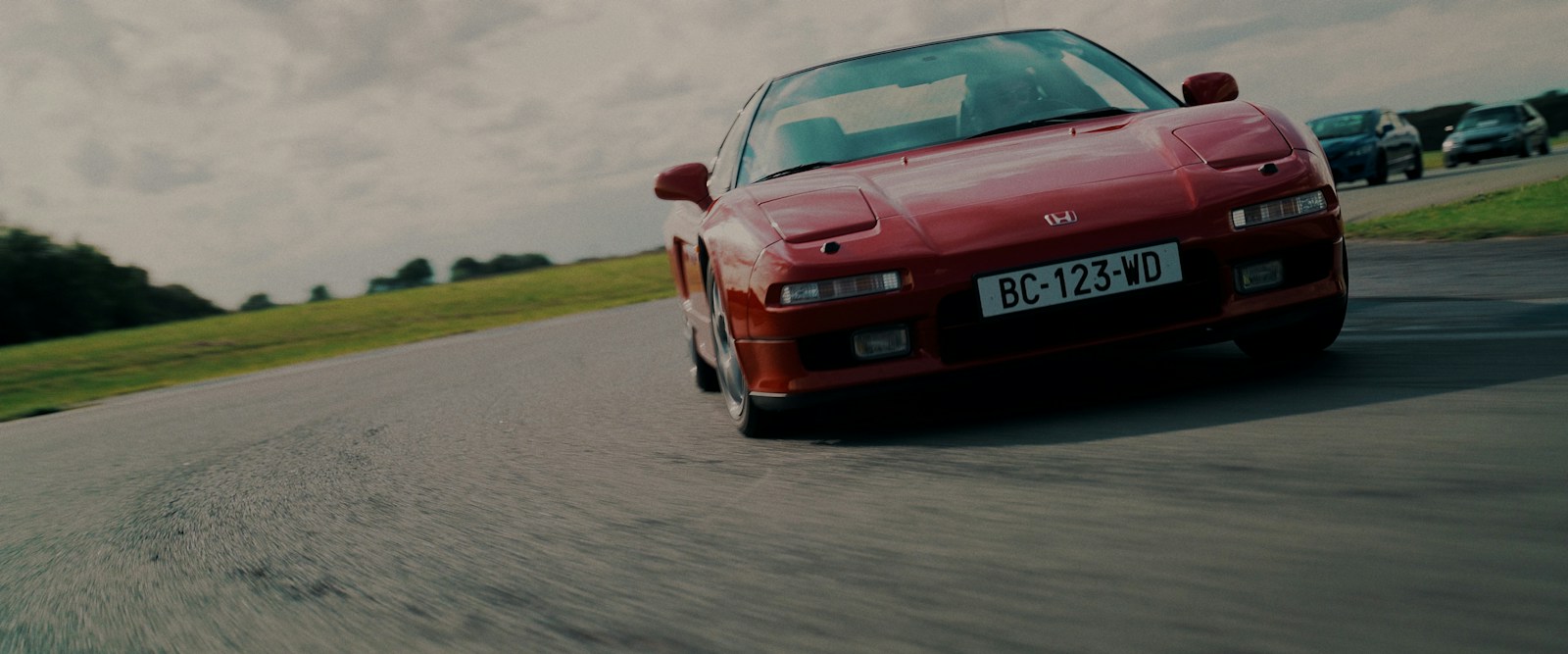

A 2003 Honda NSX-R sold for €934,375 with fees — roughly $1.05 million — at the Concorso d’Eleganza Villa d’Este auction in May 2025. Acura’s own second-generation NSX, the hybrid supercar built from 2016 through 2022, started at around $156,000 when it launched. Do the subtraction and a used, 22-year-old Japanese-market coupe that Acura never even officially sold in the United States is now worth roughly seven times what the brand’s actual modern flagship cost brand new.
The Record Sale, in Detail
The Villa d’Este car wasn’t a fluke result padded by a single enthusiastic bidder. It was a 2003 NSX-R with roughly 16,000 km (about 9,942 miles) on the clock, sold through Broad Arrow Auctions at one of the most prestigious concours events in the world, according to coverage of the sale. It wasn’t even an isolated data point. Months earlier, Robb Report documented the first NSX-R to cross the $1 million mark at auction, and separately, a cleaner 2002 NA2-chassis NSX with 9,000 original miles set a new benchmark of $370,000 on Bring a Trailer in April 2025 — described by the seller’s own listing history as a new high for that specific chassis, which previously topped out around $315,000. Two different chassis generations, two different auction platforms, both setting records within months of each other.
What the Modern NSX Actually Cost
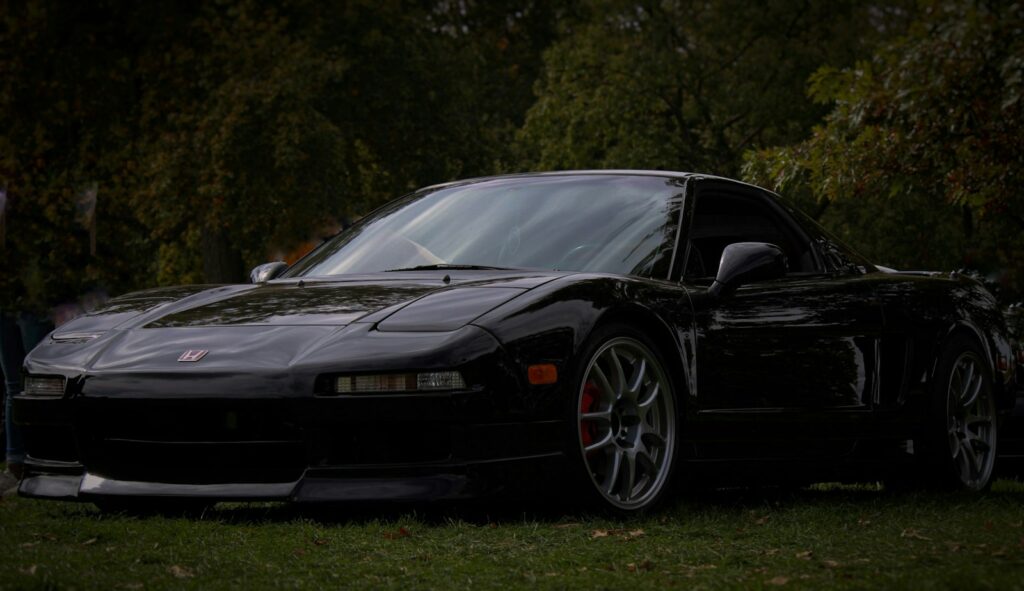
Acura’s second-generation NSX wasn’t a budget supercar by any normal measure, but it also wasn’t priced anywhere near seven figures. NBC News reported the reveal price at roughly $150,000 when Acura unveiled the hybrid twin-turbo V6 model at the Detroit Auto Show, and industry pricing data pegs the actual 2017 model-year starting price at $156,000. That’s a genuinely quick, genuinely modern hybrid supercar with three electric motors and a nine-speed dual-clutch gearbox — and it’s worth a fraction of what the auction house is now getting for a naturally aspirated, manual-only coupe from over two decades earlier that never had ABS as standard equipment in its lightest configuration.
Why the Old Car Beat the New One
The NSX-R was never sold outside Japan, and Honda built shockingly few of them — a fact that alone separates it from the modern NSX, which anyone with $156,000 and a dealership relationship could simply order. Scarcity by itself doesn’t automatically create seven-figure demand, but it does mean that when demand for the nameplate’s most extreme factory variant does materialize, there’s no way to manufacture more supply to meet it. The modern hybrid NSX, meanwhile, sold in modest but real numbers throughout its production run and remains something you can still buy used today for well under its original sticker. One car is genuinely irreplaceable; the other is a very good sports car that depreciated the way sports cars generally do.
Two Names, One Car, Very Different Fates
Part of what makes this comparison so stark is that both cars are, in the most literal sense, the same nameplate wearing different badges. The original NSX sold in Japan as a Honda and in North America as an Acura, and the second-generation car followed the same split — badged Acura in the U.S., Honda everywhere else. The NSX-R specifically was a Japan-only trim, stripped of sound deadening, air conditioning, and other comfort equipment in the name of shedding weight, with a stiffer suspension and a close-ratio gearbox tuned purely for lap times. Honda never offered anything that extreme through Acura dealers in either generation, which is exactly why the closest thing America got to owning one has always required either an import or, now, a bidding paddle at a European auction house.
A Verdict on What “Flagship” Actually Means
There’s also a reputational element that no spreadsheet fully captures. The NSX-R represents the moment Honda’s engineers were given free rein to build the lightest, most track-focused version of their halo car with zero compromise for daily comfort, and that kind of unfiltered engineering statement tends to age into legend in a way that a corporately reasonable, dealer-available hybrid never quite manages to. The modern NSX is objectively faster in a straight line and vastly more usable, but it was designed to satisfy a business case as much as an engineering ideal — and the market is telling Honda, in the clearest language it has, which version it actually wanted all along.
The Pattern Underneath the Number
What’s happening with the NSX-R isn’t really about one car outpacing one price tag — it’s a reminder that a company’s most expensive current product and its most valuable product in history can be two completely different vehicles, separated by decades, a continent, and a philosophy about what a flagship is actually for.