
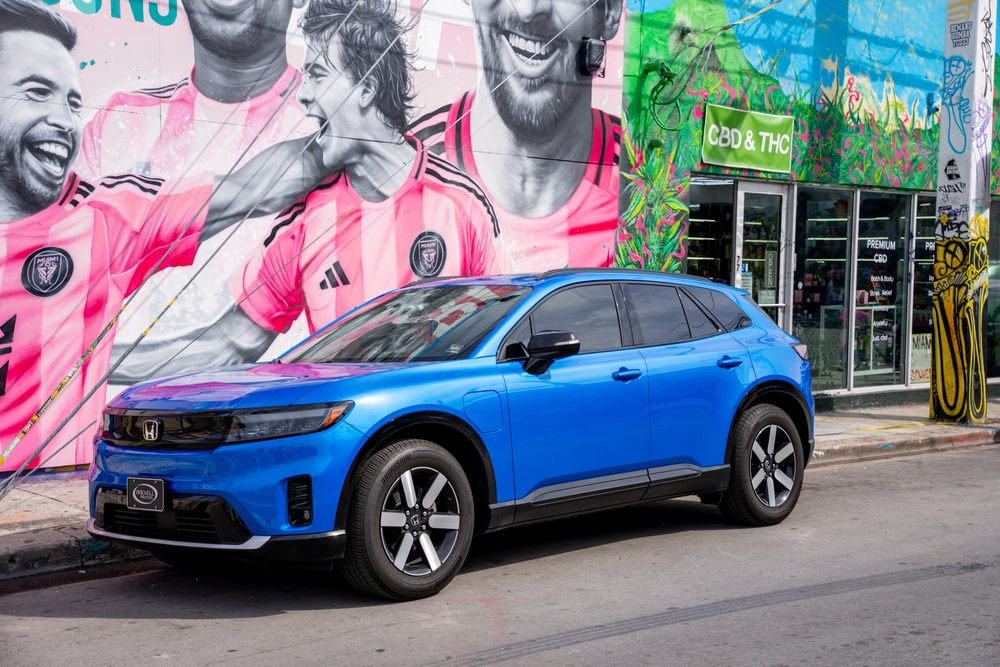

Honda’s all-electric Prologue has emerged as one of America’s top-selling EVs, but the automaker isn’t resting on its success. For 2025, the company rolled out meaningful updates that address real-world concerns families have been raising since the SUV’s debut.
The upgraded Prologue now delivers 308 miles of range and more power, while Honda works to address reliability issues that have cropped up in early models. A class action lawsuit has been filed over clicking noises when turning, allegedly caused by front drive axle problems. Despite this setback, the Prologue became the best-selling non-Tesla EV in America during the fourth quarter of 2024.
The updates go beyond just range improvements. Honda enhanced both single-motor and dual-motor versions with additional horsepower and torque, while keeping prices unchanged. With the federal tax credit making the EX trim available for $39,900, Honda is positioning the Prologue as a practical choice for families looking to make the electric switch without breaking the bank.
How Honda’s Updated Prologue Is Quietly Solving Family Concerns
Honda has been making changes to address feedback from early buyers while positioning the Prologue electric SUV against established rivals like the Tesla Model Y and Chevrolet Blazer EV. The updates focus on practical improvements that matter for families dealing with daily school runs and weekend trips.
Addressing Criticism from Early Prologue Owners
Early 2024 Honda Prologue buyers pointed out issues with the infotainment system‘s responsiveness and charging speed inconsistencies. Some owners reported that the touchscreen lagged when switching between apps or adjusting climate controls.
Honda responded by rolling out software updates that improved system performance. The 2025 Honda Prologue now comes with faster processing and a more intuitive interface layout. Charging issues got attention too, with Honda refining the battery management system to deliver more consistent DC fast-charging rates.
The company also extended warranty coverage for the battery pack beyond the standard eight years. This move addressed concerns about long-term ownership costs that several Prologue owners raised in online forums.
Improvements for Family-Friendly Comfort and Space
The updated Prologue added more USB-C ports in the second row, bringing the total to six throughout the cabin. Rear passengers now get dedicated climate controls that are easier to reach.
Honda increased the rear cargo area by redesigning the underfloor storage compartment. The electric SUV now offers 25.6 cubic feet behind the second row and 70.4 cubic feet with seats folded. The second-row seats recline further back, adding comfort for taller teenagers on longer drives.
The company added a panoramic glass roof as standard on higher trims, making the interior feel more spacious. Sound insulation improved with additional acoustic glass in the front windows, reducing road noise during highway driving.
What Sets Prologue Apart from Tesla Model Y and Key Rivals
The Honda Prologue starts around $47,000, undercutting the Tesla Model Y by several thousand dollars while offering similar range. It’s also built on the same GM Ultium platform as the Chevrolet Blazer EV and Cadillac Lyriq, but Honda tuned the suspension for a smoother ride.
Compared to the Hyundai Ioniq 5 and Kia EV6, the Prologue offers more rear legroom and a higher seating position that many families prefer. The Honda EV comes standard with Honda Sensing safety features, while competitors often charge extra for similar technology.
The Ford Mustang Mach-E offers sportier handling, but the Prologue prioritizes comfort over performance. The Acura ZDX, Honda’s luxury sibling, shares the same platform but costs about $10,000 more with upgraded materials and technology.
Features, Performance, and Technology: Making Life Easier for Families
The Prologue delivers practical features that address real family needs, from a comfortable ride that keeps kids happy on long trips to tech that actually works without frustration. Honda focused on refinement and usability rather than flashy gimmicks.
Everyday Driving Experience and Ride Quality
The Prologue offers a plush and comfortable ride over uneven pavement, making it Honda’s nicest-riding North American EV. The suspension tuning prioritizes passenger comfort, which matters during school runs and road trips with cranky kids in the back.
Drivers can choose sport mode for more responsive acceleration, though the standard driving mode suits most family situations. The one-pedal driving feature lets drivers slow down using only the accelerator pedal, reducing brake wear and making city driving smoother.
The 296-mile EPA range rating eliminates range anxiety for daily use. DC fast charging at rates up to 150 kW means the 85 kWh battery can add 65 miles of range in about 10 minutes, which is enough time for a quick rest stop.
Interior Tech and Family-Friendly Conveniences
The cabin features an 11.3-inch touchscreen that handles wireless Apple CarPlay and wireless Android auto without the cable mess that clutters most family vehicles. Google Built-in integration provides additional connectivity options.
An 11.0-inch digital instrument cluster displays essential driving information clearly. The smartphone charging pad keeps devices powered without hunting for charging cables. Dual-zone climate control lets parents and passengers set different temperatures.
The panoramic moonroof adds natural light to the cabin, while roof rails provide mounting points for cargo carriers and bike racks. The 60/40 split rear seat configuration offers flexibility for mixing passengers and cargo.
Parents magazine recognized the Prologue’s generous interior space and family-friendly features. The cargo capacity handles sports equipment, groceries, and luggage without requiring roof storage for everyday trips.
Safety and Driver Assistance Upgrades
Honda Sensing provides comprehensive driver assistance technology as standard equipment. The system includes adaptive cruise control that maintains distance from traffic ahead and automatic emergency braking that can prevent collisions.
Lane keep assist helps prevent unintended lane departures during highway driving. Blind-spot monitoring alerts drivers to vehicles in adjacent lanes during lane changes.
Additional safety features include rear pedestrian alert, which warns drivers of people walking behind the vehicle when backing up, and park assist for tight parking situations. These technologies address common family driving scenarios like busy parking lots and school drop-off zones.
More from Steel Horse Rides:
- 13 Most Powerful Muscle Cars of All Time
- 13 Underrated JDM Cars That Deserve More Love
- 15 JDM Cars That Were Illegal in the U.S.
- 13 SUVs From the ’90s That Are Surprisingly Cool Today