

She’d kept that SUV like a badge of honor. It wasn’t flashy, but it was clean, dependable, and—most importantly—paid off. It was the kind of car you buy when you’re trying to be an adult about money, the kind you stick with when other people are upgrading just because they’re bored.
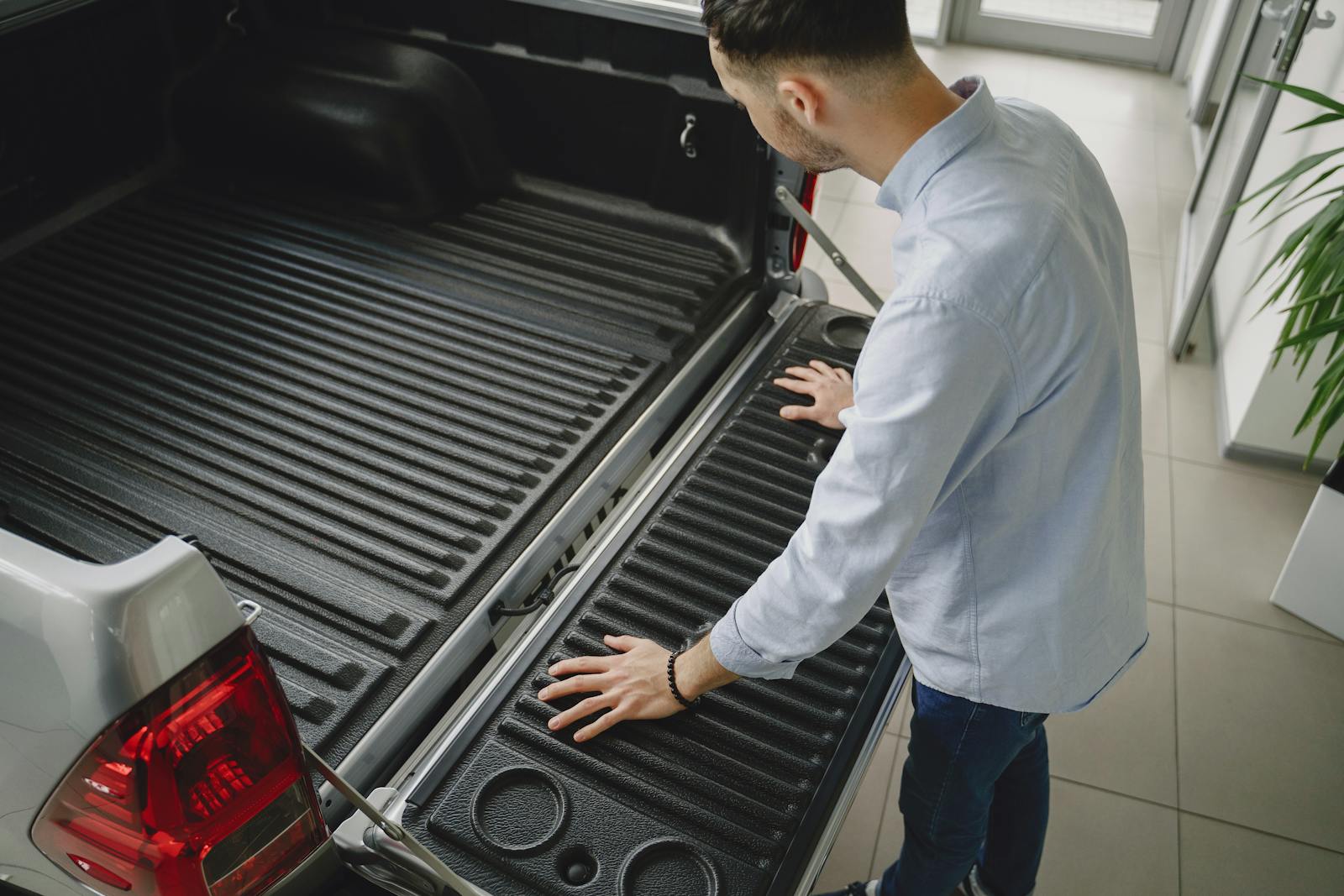
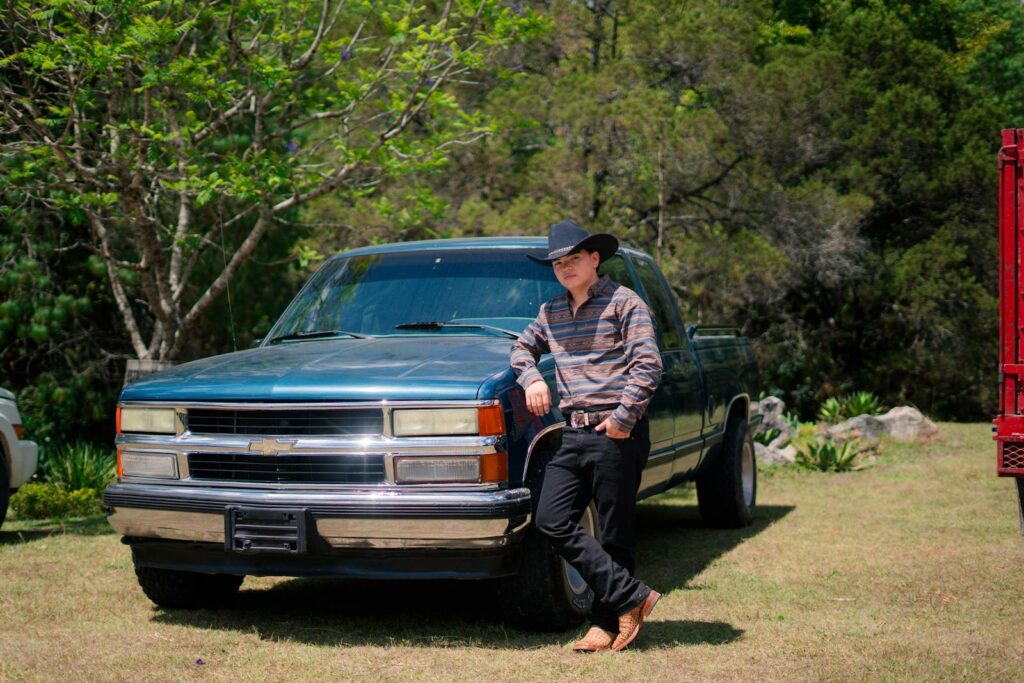
So when she walked out one afternoon and saw a full-size truck sitting in the driveway where her SUV usually lived, her first thought wasn’t “new car.” It was “who’s visiting?” Then she noticed her husband leaning against it like he was waiting for applause, grinning in that way that’s supposed to mean good news.
He didn’t start with an explanation. He started with a sales pitch.
The SUV That Was “Basically Part of the Family”
The SUV had been theirs for years, and it had become the default solution to everything. Groceries, school pickups, weekend trips, hauling sports gear, driving her mom to appointments—if a task needed doing, that SUV did it without drama. She’d gotten it before they had kids, paid it down aggressively, and finally reached that quiet moment of relief when the last payment cleared.
It wasn’t just transportation; it was security. No monthly car note meant breathing room when the water heater went out or one of the kids needed braces. She liked knowing that if something happened—job loss, emergency, whatever—they had at least one thing that was fully theirs.
Her husband, though, had been in a truck mood for a while. It started as casual browsing, the way people scroll listings like it’s entertainment. Then it turned into a running commentary about towing capacity, bed length, and how “a truck is just more practical.”
The Truck Obsession That Turned Into a Plan
He’d been dropping hints for months, apparently expecting her to meet him halfway on it. Not even a specific need—more like a fantasy of being “truck people,” the kind who can pick up a couch without renting a trailer. Every time he brought it up, she’d ask the same questions: What would they tow? How often do they actually haul things? Why add a payment when the SUV worked?
He had answers, but they were the kind that sounded good out loud and fell apart under any pressure. “It’s safer.” “It sits higher.” “It’s better in bad weather.” “We’ll use it for family stuff.” She wasn’t even completely anti-truck; she was anti-debt and anti-impulse, especially when the SUV already covered their needs.
The fights stayed mild at first. An eye roll here, a tense little “can we not do this again” there. What she didn’t realize was that he’d stopped trying to convince her because he’d moved on to something else: doing it anyway.
The Day She Found Out the SUV Was Gone
That’s how they ended up in the driveway with a shiny truck and a husband acting like he’d just solved their whole life. He launched into the features before she could even speak. The sound system, the roomy cab, the “deal” he got, the color he knew she’d “actually like.”
She asked where her SUV was. He said it was “handled.” That’s when her stomach dropped, because “handled” wasn’t parked down the street or at the mechanic. It was the kind of word people use when something is already done and they don’t want questions.
He told her he traded it in. Not talked about it, not started the process, not test-drove a few trucks. Traded it in. He said it casually, like it was a chore he’d crossed off, like he’d taken the trash out and wanted credit.
She blinked at him and asked—slowly, carefully—how he managed to trade in a vehicle that wasn’t solely his. He shrugged and said it “wasn’t a big deal,” that the paperwork was “fine,” that the dealership “made it easy.” The only thing that sounded hard was the way he avoided saying whose name was on the title.
“It’s For The Family” and Other Magic Words
When she got angry, he immediately shifted into justification mode. He told her she was being dramatic because the truck was “for the family.” He listed theoretical family uses like he was reading off a brochure: camping trips, home improvement projects, road trips where everyone has more space.
She pointed out that the SUV already did all of that, and it did it without a new monthly payment. He snapped back that she was “only thinking short term,” that sometimes you have to “invest” in better tools for life. Tools. As if her paid-off vehicle was a rusty hammer he’d responsibly replaced.
Then he hit her with the line that pushed it over the edge: she should be happy because he’d “upgraded” them. Not “we upgraded.” Not “I’m sorry I didn’t talk to you.” Upgraded them—like she was supposed to be grateful he took the choice away and brought home something he personally wanted.
She asked what the truck cost, and his answers got vague. “It’s not that bad.” “The payments are manageable.” “It’s within our budget.” That’s when she realized he wasn’t just celebrating a new vehicle—he was trying to outrun the part where she’d see the numbers.
The Money Conversation That Wasn’t a Conversation
Once she got him to sit down, she asked to see the paperwork. He hesitated, then went to the kitchen counter and came back with a folder like a kid bringing a bad report card. The trade-in value for the SUV wasn’t what she expected, and the new loan was longer than she would’ve agreed to in a million years.
She did the quick math in her head: the SUV had been costing them nothing each month, and now they had a payment again—plus higher insurance, plus worse gas mileage. He tried to soften it by reminding her the truck would “hold its value” and that “everyone has a car payment.” She reminded him they had been free of one, and that had been the point.
The most infuriating part was how he framed it as a sacrifice he’d made. He said he “took care of it” so she wouldn’t have to stress about finding a bigger vehicle later. He talked like he’d rescued the family from an imaginary future problem, while creating a real problem right now.
She kept coming back to the same question: why didn’t you talk to me? He said he tried, but she “always shut it down.” What he meant was she didn’t agree quickly enough, so he treated her no as a delay, not an answer.
Fallout in the Driveway and Behind Closed Doors
Over the next couple days, the truck sat there like a monument to their fight. Every time she walked past it, it wasn’t a new car smell— it was the smell of being ignored. He, meanwhile, drove it around like he was proving a point, offering to run errands he never volunteered for before, acting overly helpful as if usefulness could replace consent.
She called the dealership to ask what had happened with the title, and that’s when things got even uglier. If her name had been on it—and there were hints it was—then the trade-in shouldn’t have been so “easy.” Whether it was paperwork he didn’t understand, paperwork he conveniently left out, or something shadier, she didn’t know yet. She just knew she was now in the position of having to investigate her own life like it was a dispute.
When she confronted him about the legality of it, he got defensive fast. Suddenly she was “accusing” him, suddenly she was “making it into a thing,” suddenly she was the one threatening the family peace. He didn’t apologize; he doubled down, insisting he did what he did because he “cares about the family.”
She told him caring about the family would’ve looked like a conversation, not a surprise loan and a missing SUV. He said she was “ungrateful,” and that word hung in the air in a way that changed the temperature of everything. It wasn’t about the truck anymore; it was about the way he expected gratitude for overriding her.
By the end of the week, the practical questions piled up. Who was making the payments? Whose name was on the loan? What happened to the equity they’d built by owning a paid-off vehicle? And the one she couldn’t shake: if he could make a major financial decision like that without her, what else did he think he could decide “for the family” while she found out after the fact?
She didn’t have a neat resolution yet—no dramatic departure, no instant repair, no satisfying moment where he suddenly understood. What she had was a driveway with a truck she didn’t ask for, a budget that now had a new hole in it, and a marriage where the real trade-in wasn’t the SUV. It was trust, handed over so casually that he still seemed surprised she noticed it was gone.
More from Steel Horse Rides: