
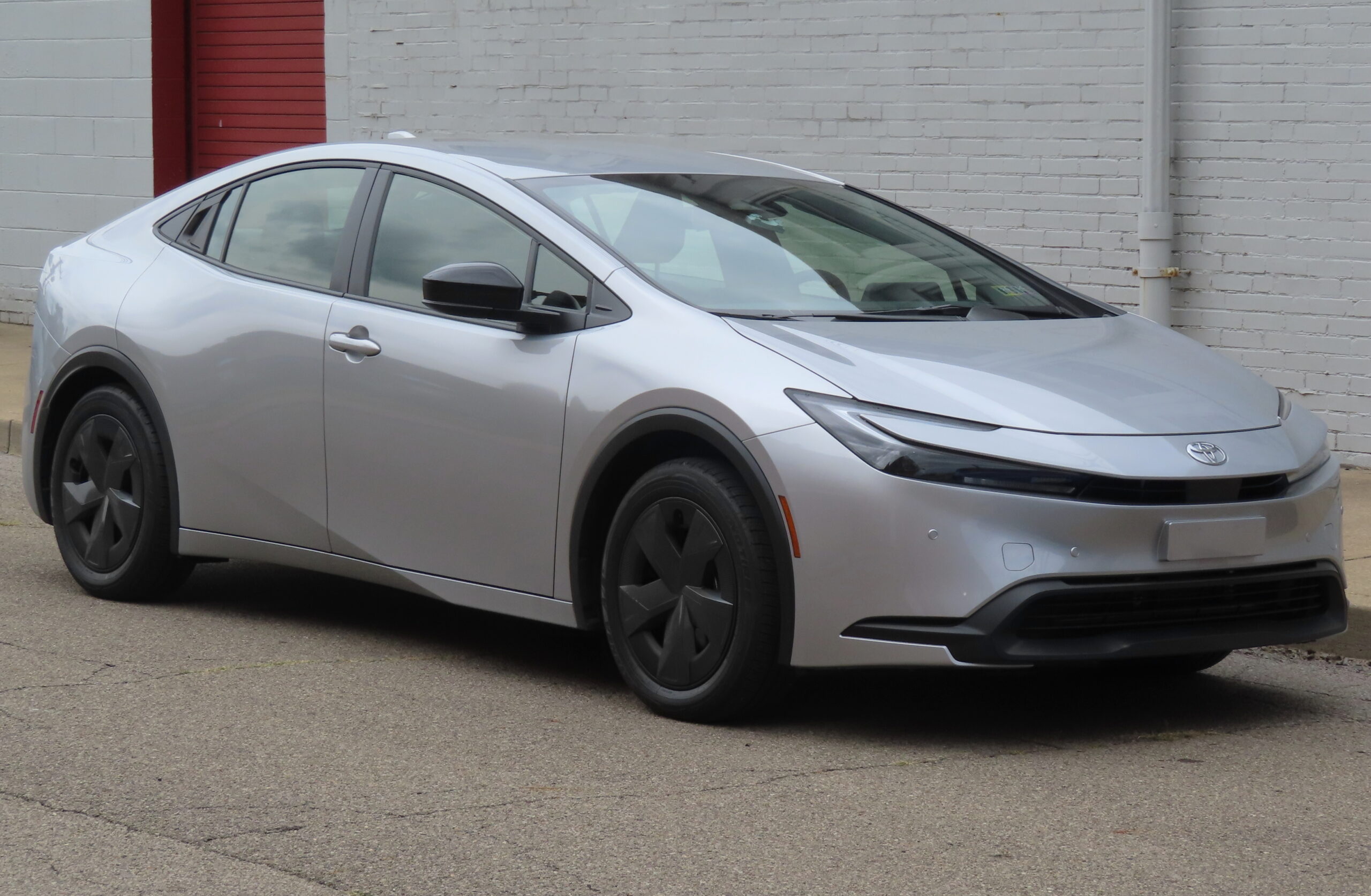

Hybrids outsold electric vehicles in California by nearly six percentage points of market share in the first half of 2026, a reversal that marks the first time hybrid registrations have topped EVs by this wide a gap in the state’s new-vehicle data. Hybrids captured 22.1% of new-vehicle registrations through June, a record for the segment, while zero-emission vehicles fell to 15.9%, according to the California New Car Dealers Association’s Q2 2026 Auto Outlook.
The numbers behind the shift are stark. CNCDA counted roughly 191,000 hybrid registrations against 137,430 ZEV registrations in the first six months of the year, with EV volume down 24.8% from the same period in 2025. Gasoline-only vehicles still led the state at 57.6% of the market, up from 54.0% a year earlier. Total California registrations slipped 7.7% to 864,848 units, a steeper drop than the 2.8% decline seen nationally.

A record built on a fading tax credit
California’s ZEV share had been running above 20% for most of 2025 before the federal EV tax credit expired late last year, and the CNCDA data shows the fallout landed hardest in the first quarter of 2026, when EV share bottomed out before a partial rebound to 17.8% by Q2. Hybrids, meanwhile, climbed steadily each quarter, closing the half at 23.2% in Q2 alone. Rising pump prices in a state where gas has averaged above $5.50 a gallon this year have added another push toward hybrid drivetrains that don’t require a charger.
“Californians are buying the vehicles that fit their budgets and the way they drive, and right now that means a lot of hybrids,” CNCDA Chairman Jessie Dosanjh said in the association’s release.
The pattern is showing up nationally too
California isn’t an outlier. J.D. Power and GlobalData’s August 2026 U.S. sales forecast projects hybrids will account for 18.2% of retail sales for the month, up 4.8 percentage points from 13.4% a year earlier, a 35.5% jump in unit volume. The same forecast puts EV retail share at just 7.2%, down from 11.8% in August 2025.
That momentum has been building for months. CNBC reported in May that hybrids were “having their moment” as shoppers who wanted better mileage without range anxiety or charging logistics increasingly chose gas-electric models over full EVs, a trend automakers with deep hybrid lineups have leaned into as EV incentives dried up.
Automotive sales-data outlet GoodCarBadCar framed California’s H1 result as notable precisely because the state remains the nation’s largest EV market by volume, accounting for close to a third of all U.S. ZEV registrations even as its own hybrid-EV gap widened. With inventory of hybrid models still tight relative to demand, per J.D. Power, and no federal EV credit on the horizon, the current registration gap looks more like a new baseline than a temporary blip.