

He left the house before the sun was properly up, coffee sloshing in a travel mug and a folder of paperwork riding shotgun like it was a passenger that could talk him out of this. Four hours on the highway for a used car is already a little unhinged, but the listing had been exactly his flavor of “this doesn’t show up twice.” The photos were clean, the mileage was decent for its age, and the price was just low enough to feel like a win without screaming “scam.”
They’d messaged back and forth the night before, the kind of polite, clipped negotiation that makes you think you’re dealing with a normal adult. The seller had confirmed the number, confirmed the address, confirmed the time. He’d even thrown in a line about “first come, first served,” which felt like mild pressure, not a warning label.
By the time he pulled into the neighborhood, he’d already mentally spent the money. He’d pictured the car in his driveway, pictured the first errands he’d run, pictured telling his friends he snagged a solid deal. And that’s the exact moment people get dangerous—when they can practically touch the thing they want.
The Listing That Looked Too Clean to Ignore
The car was one of those models with a reputation: reliable, boring in the best way, and weirdly hard to find when you actually need one. The buyer had been watching listings for weeks, seeing the same pattern—either overpriced “I know what I have” posts or beaters with engine lights glowing like a Christmas tree. This one sat in the sweet spot, a few years old, a reasonable number on the odometer, and a price that suggested the seller wanted it gone without being desperate.
Before he ever got in the car to drive out, he tried to do everything “right.” He asked about accidents, asked for the VIN to run a quick check, asked if there were any liens. The seller answered quickly and casually, like a guy cleaning out his garage, not running a high-stakes hustle.
They agreed on a number in writing, not some vague “we’ll see when you get here.” The buyer even told him, plainly, that he was coming from four hours away and didn’t want to waste a day if the deal wasn’t real. The seller replied with something like, “No worries, it’s yours if you’re here at 2,” which felt like a handshake through a screen.
Four Hours of Driving, One Hour of Hope
The closer he got, the more he started doing that anxious mental math people do on long drives. Gas, tolls, time off work, the fact that he’d arranged a ride back if the car turned out to be a disaster. He kept checking his phone at rest stops, half-expecting the dreaded message: “Sorry, someone offered more.”
But no message came. Instead, the seller sent a thumbs-up when he texted that he was about twenty minutes out. That tiny bit of confirmation acted like a sedative—see, it’s fine, this is all normal, you’re not about to get played.
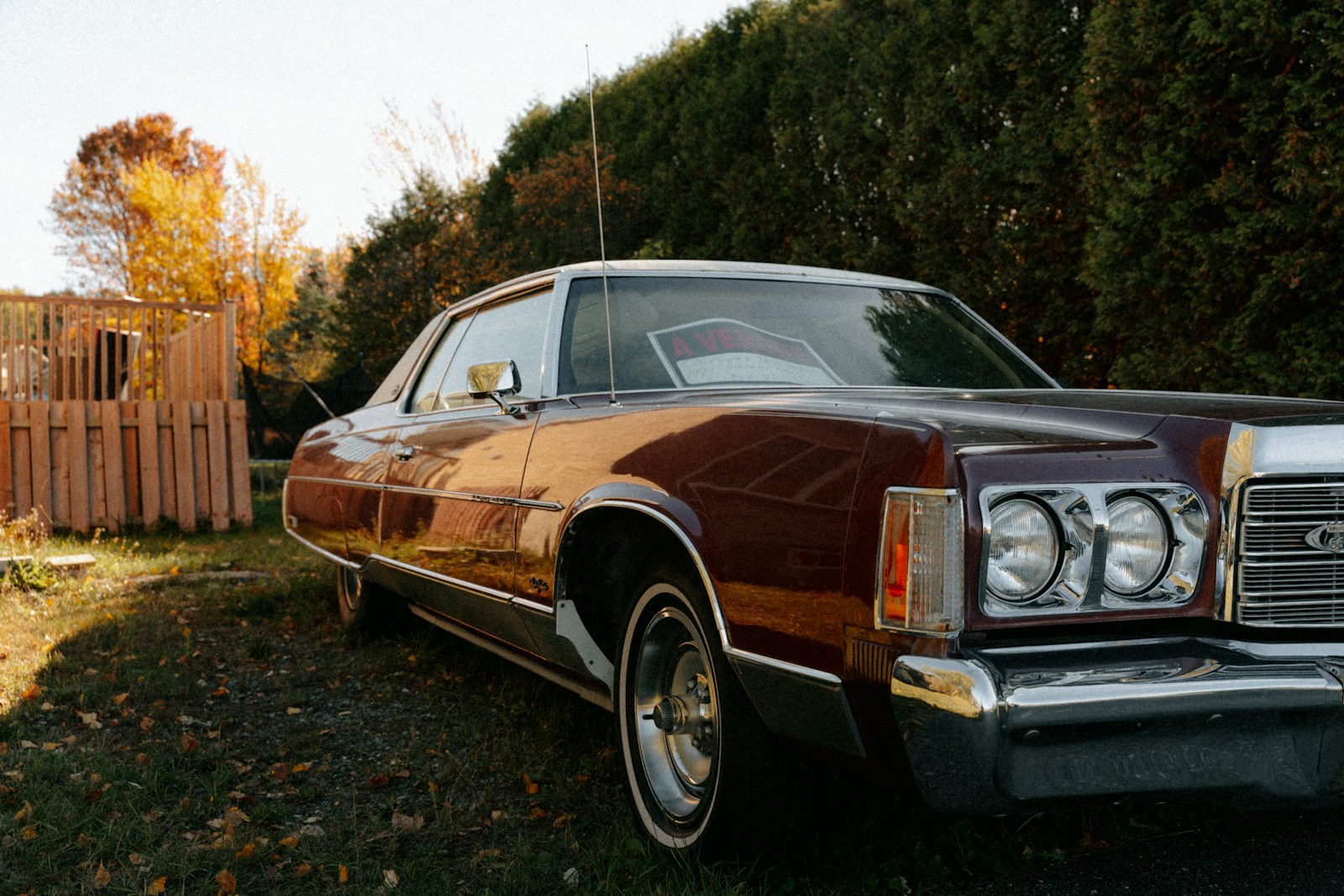
When he finally pulled up, he saw the car right away, parked in the driveway like a prop set out for inspection. It looked as good as the photos, which immediately made him relax and immediately made him stupid. He got out smiling a little too hard, doing that “friendly buyer” routine, trying to be likable without seeming desperate.
The seller came out slow, like he’d been waiting for this moment instead of waiting for the buyer. Middle-aged guy, casual clothes, no urgency, the posture of someone who felt in control. He shook hands, asked how the drive was, and gave the kind of small talk that barely covers the hum underneath it.
The Walkaround Where the Seller Clocked His Face
The buyer started the inspection with all the seriousness he could fake. He checked panel gaps, looked under the hood, crouched to peek for rust, asked about the tires. The seller answered everything, but the answers were oddly smooth—too rehearsed, like he’d practiced sounding honest.
Then the buyer made his first mistake: he let himself show excitement. Not in a cartoon way, but in small tells—lingering a little too long at the clean interior, nodding too enthusiastically at the maintenance records, saying things like, “This is exactly what I’ve been looking for.” He was trying to be appreciative, but appreciation, in the wrong hands, reads like leverage.
They took it for a quick drive around the block, and it ran fine. No weird noises, no pulling, the brakes felt solid. When they got back, the buyer was already reaching for the envelope of cash, relieved in that way you get when the thing you feared isn’t happening.
That’s when the seller didn’t move toward the handshake or the paperwork. He stayed planted in the driveway and looked past the car for a second, like he was calculating something. The buyer, still in that post-test-drive glow, didn’t catch it in time.
“I’m Gonna Need a Little More Than That”
The seller cleared his throat and said he’d been thinking. He’d gotten “a lot of messages,” and apparently after seeing the car in person the buyer could understand why. The buyer, still smiling, said sure, he gets it, but they already agreed on the price and he drove four hours based on that.
The seller shrugged in a way that wasn’t apologetic, more like bored. Then he named a new number—higher, not by twenty bucks, but enough to sting. Enough that it flipped the deal from “good find” to “why am I doing this.”
For a second the buyer just stared at him, because the driveway is a weird stage for betrayal. You’re standing there with your wallet out, the car idling hot, the whole day spent getting to this exact square of concrete, and the other person is acting like the agreement never mattered. The seller even nodded toward the buyer’s face like he could see the answer there, like, come on, you’re not walking away now.
The buyer tried to keep it calm. He reminded him they had the price in messages, offered to show it, asked if there was any actual reason for the increase—new issue discovered, new fee, anything that wasn’t pure opportunism. The seller didn’t argue the logic; he just repeated the new price and let the silence do the bullying.
The Standoff in the Driveway
This is where it got painfully human. The buyer did that thing where you start negotiating against your own boundaries, not because you want to, but because you’re trying to save yourself from feeling like a fool. He offered a smaller bump—something that would cover “the inconvenience” and end the standoff.
The seller didn’t take it. He tilted his head and acted like the buyer’s counteroffer was cute, like a kid trying to haggle for candy. Then he said he could “probably get” the higher number from someone else, maybe even today, because the car was in demand.
And that’s when the buyer realized what this actually was: not a misunderstanding, not new information, but a test. The seller was waiting to see how much the buyer would pay to avoid turning around empty-handed. The four-hour drive wasn’t just an inconvenience; it was a trap the buyer had brought with him.
The buyer stepped back, literally. He looked at the car again, and it still looked great, but now it looked like a prop in a shakedown. He felt his face getting hot, not just anger—embarrassment, too, because the seller had been right about one thing: he really did want it.
He told the seller he was sticking to the agreed price, and if that didn’t work, he’d leave. The seller didn’t blink. He said, “That’s fine,” and started drifting back toward the house in that slow, confident way, like he expected the buyer to follow with the extra money.
Driving Away With Nothing but the Screenshot
The buyer sat in his own car for a full minute before turning the key. He stared at the message thread on his phone—the agreed number, the time, the “it’s yours”—and felt how useless it all was without any consequences attached. Screenshots don’t tow cars to your driveway.
He did the responsible thing and didn’t cave, but “responsible” didn’t feel like victory. It felt like swallowing a loss on principle, then paying for it in gasoline and time. He pulled away slowly, half-expecting the seller to jog after him and suddenly “reconsider.”
Nobody chased him. The car stayed in the driveway, gleaming and untouched, like the seller was willing to sit on it rather than lose the last move. The buyer hit the highway again, four hours back with nothing to show for it except a bad taste and a day he couldn’t get back.
By the time he got home, the anger had cooled into something sharper. He wasn’t just mad that the price changed; he was mad at how deliberately the seller had waited until the buyer was physically there, mad at how the seller had watched his excitement and turned it into a number. And what stuck with him most wasn’t the lost deal—it was the feeling of being studied in that driveway, like desire was a weakness the seller could read on his face and charge for.