

He showed up to the Saturday night car meet with his stomach already doing that nervous flip-flop. Not because he didn’t like people—he did—but because he knew what he was bringing: a replica. Not a “kit car” in the vague sense, either, but a painstakingly put-together, unmistakable lookalike of a halo car that normally pulls crowds and camera phones like a magnet.
It wasn’t his first meet, but it was his first time bringing this car out to this specific group. Their events were the kind that lived and died on Instagram hype: glossy flyers, sponsor tags, “respect the builds” captions, all of it. He’d spent weeks wrenching and cleaning like he was prepping for a show, and he’d told himself it didn’t matter what anyone thought as long as he liked it.
The second he rolled in, he realized that was a nice speech to give yourself in the garage. In the parking lot, with a line of guys posted up in folding chairs like gatekeepers, it got harder to believe.
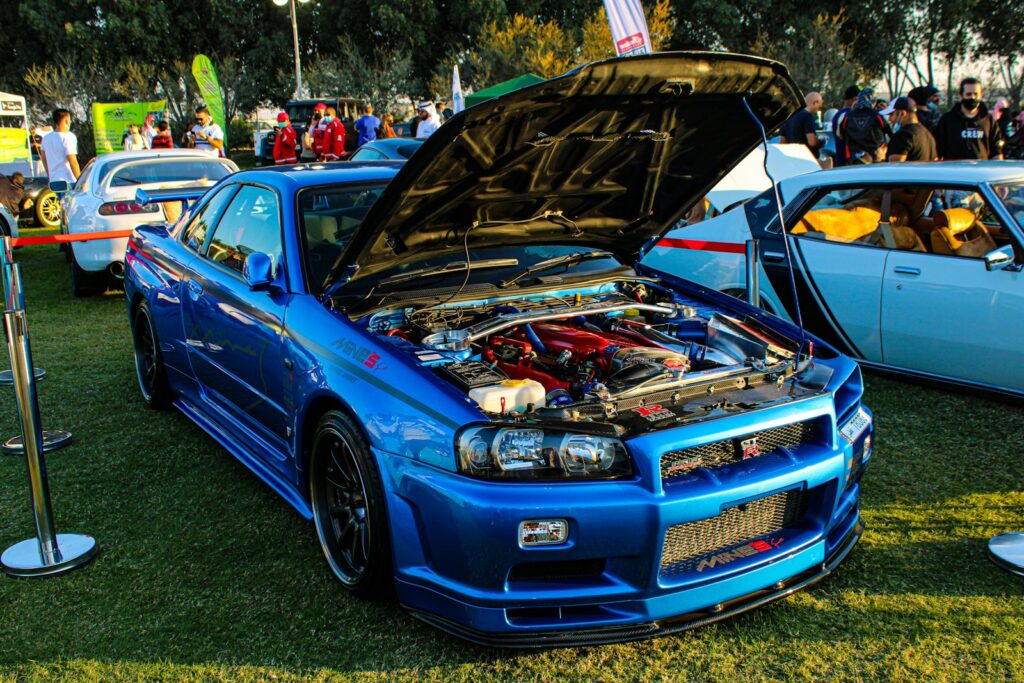
The arrival: a build that looked “too good” to be welcome
The replica looked the part from twenty feet away—low stance, aggressive lines, the kind of paint that makes streetlights look expensive. People noticed immediately, but not in the “hey, nice ride” way. More like the way someone notices a designer bag that might be fake and decides it’s their job to figure it out.
At first it was subtle: the slow walk-bys, the little head tilts toward details, the not-quite-whispers. Then a guy in a branded hoodie leaned in too close near the rear quarter and did the smug little grin people do when they think they’ve spotted something. “What is it, one of those replicas?” he asked, not curious so much as hopeful he’d get to say “called it.”
The owner didn’t try to lie. He explained, calmly, that it was a replica built on a different chassis, that he’d done most of the work himself, that he wasn’t pretending it was factory. He even gave the credit where it was due—yeah, the real one is a masterpiece, this was his way of getting close without selling a kidney. He thought honesty would buy him some goodwill.
Instead it felt like he’d handed them permission.
“Real cars only”: the roasting turns into a little performance
Once the word “replica” landed, the mood around the car shifted. A couple people snickered like they’d been waiting for it, and suddenly it wasn’t just a car meet interaction—it was a group activity. Someone said, loud enough for a semicircle to hear, “So it’s cosplay.” Another guy asked if he brought it “for clout,” as if building anything that looks good is automatically a cry for attention.
The roasting wasn’t one clean insult, either; it was death by a thousand little jabs. They called it a “Fiero special” even though it wasn’t built on one, and they kept saying “Temu edition” like repeating it made it truer. One person asked, with exaggerated politeness, if the owner wanted them to park him “with the civics,” like he’d wandered into the wrong section.
What made it sting wasn’t just that they didn’t like replicas. It was the way they used his own transparency against him, like honesty was proof he deserved the dunking. He tried to keep it light, but his answers started getting shorter, his laugh a little too forced.
He didn’t lose it, but the meet stopped being fun. He did the thing where you pretend you’re not bothered by acting busy—wiping a spotless panel, checking tire pressure that didn’t need checking, fiddling with a hood latch just to have something to do. Every time he looked up, someone was filming, and he couldn’t tell if it was appreciation or ammunition.
The exit: he leaves early, and they keep the content
After about an hour of being treated like a punchline, he decided to leave before his mood got worse. He didn’t announce it, didn’t make a scene, just waited for a gap and pulled out. A couple guys waved him off with the kind of sarcastic friendliness that’s worse than being ignored.
On the way home, he did that mental replay people do after a bad social interaction. He thought about the lines he should’ve said, the tone he should’ve used, whether he should’ve stayed and proven he wasn’t bothered. Mostly he felt stupid for expecting a car meet, of all places, to be relaxed about something that wasn’t “pure.”
Then, a day or two later, he saw the first post. It was one of the event organizers—the same page that had been pushing “build culture” all month—sharing a reel from the meet. Quick cuts, bass-heavy music, cinematic angles, and there it was: his replica, featured like a centerpiece.
Not a blink-and-you-miss-it background shot, either. Multiple passes, close-ups, the exact angles people use when they want a car to look expensive. The caption was the usual hype stuff about turnout and “crazy builds,” and his car was doing a lot of the heavy lifting visually.
The promotion: the same people who mocked him start using his car as the face of the meet
At first he assumed it was just one person reposting someone else’s footage. But it kept happening. Another organizer account used a photo of the replica in a flyer for the next meet—dead center, crisp as a magazine ad, with the date slapped over the hood like it was a sponsor car.
He zoomed in on the watermark and recognized the guy who’d been the loudest about “real cars only.” That guy had taken the photo the night of the meet, when he’d been circling the replica with his phone, not complimenting it, not asking about it—just collecting. Now he was treating it like free marketing material.
It wasn’t subtle, either, which somehow made it worse. The same accounts that had been liking comments clowning on replicas were now leaning on the replica’s aesthetics to sell their next event. The owner scrolled through the post and saw the familiar mix: people hyping the meet, people tagging friends, and a few folks asking what the car was because it looked “insane.”
That’s when the anger kicked in. Not rage in the screaming sense, more like that tight feeling of being used. They’d made him feel unwelcome in person, then had the nerve to turn around and let his car do their advertising online.
The confrontation: polite messages, defensive replies, and the sudden rules talk
He started with the reasonable route: a private message to the main organizer account. He wasn’t asking for money, just asking them to take down the flyer and not use his car in promotions without permission. He pointed out—without being dramatic—that their people had spent the night mocking him, so seeing his car as their cover photo felt pretty gross.
The response came back slippery. They said something like, “It’s a public event, people take photos,” and “We’re just showing what was there.” They also tossed in a half-hearted compliment about how it “still looks clean,” like that fixed the underlying disrespect. When he pushed back—because a public event doesn’t magically equal unlimited promotional rights—the tone changed.
Now it was rules and technicalities. They told him he should’ve said something at the meet if he didn’t want photos taken, like it was his job to anticipate being used in marketing by people who were actively humiliating him. One of them suggested he was “mad because people found out it’s fake,” which was a bizarre pivot considering he’d never hidden it.
The weirdest part was watching them do reputation management in real time. In the comments under the flyer, the same folks who’d roasted him were suddenly careful with their language, calling it a “tribute build” and a “nice replica,” like they’d always respected it. In person, it was a punchline; online, it was content.
He tried one more time, firmer: remove the posts, stop using his car to promote. That’s when the organizer account stopped replying and, shortly after, blocked him. The flyer stayed up for another day, then quietly disappeared, replaced with a different photo that didn’t hit nearly as hard.
But the reel was still floating around, reposted by other pages and random attendees. His car was now permanently stitched into their highlight montage, the same montage people would point to when they said the meet had “crazy builds.” He couldn’t claw it back, not really.
That’s the part that stuck with him more than the insults. The roasting was petty and predictable; you can shrug off macho gatekeeping if you’ve been around cars long enough. What he couldn’t shake was how easily they flipped from “you don’t belong here” to “your stuff makes us look good,” and how comfortable they were doing both without acknowledging the contradiction.
He still takes the replica out, just not to their meets. And every time their next flyer pops up on someone’s story, he gets that same tight feeling—because he knows, if they’d gotten a better shot of his car that night, they’d probably still be using it, still pretending it represented their “community,” while making sure the owner never felt like part of it.
More from Steel Horse Rides: