
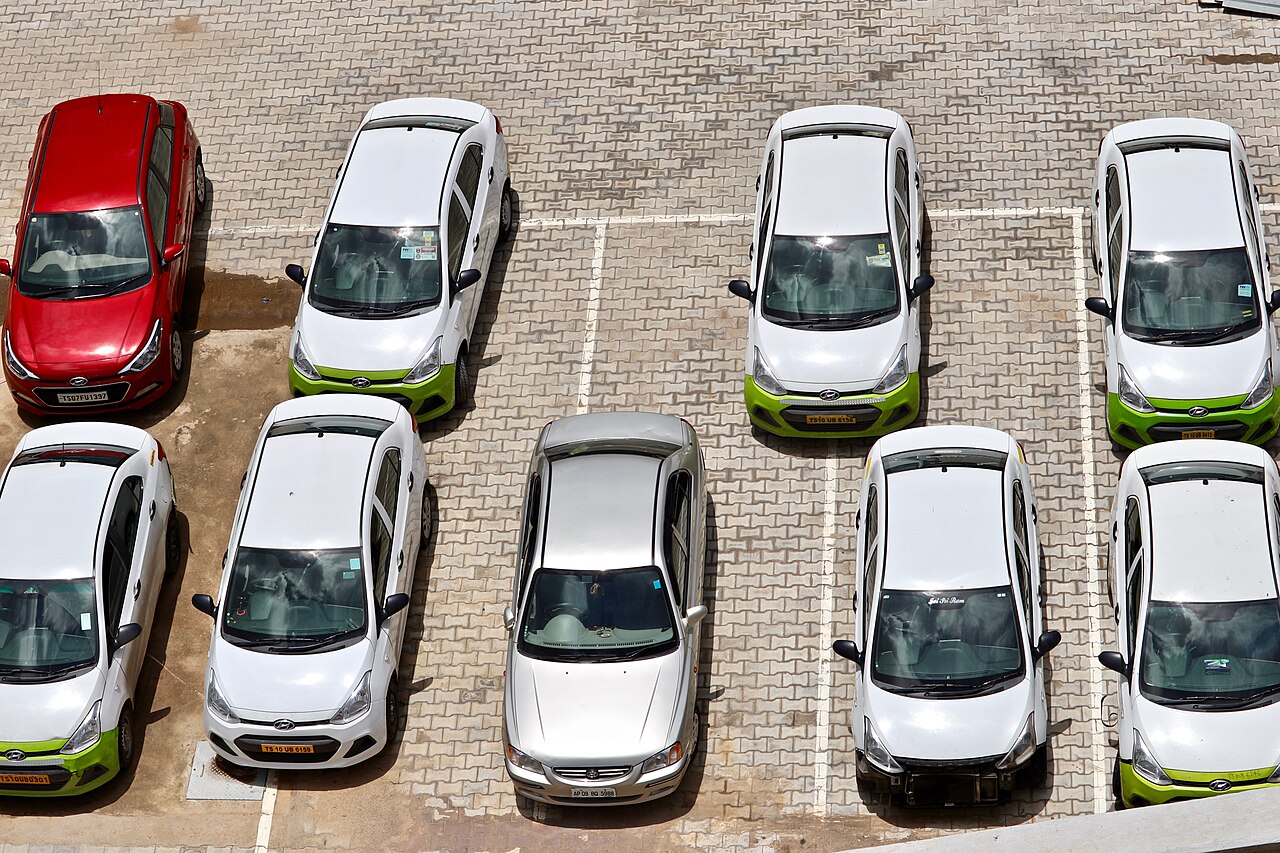

It’s the kind of annoying little surprise that can wreck an otherwise normal day: you pull into a parking garage, see plenty of open spaces, pick one that looks totally fine, and head off to do your thing. An hour later you come back, coffee in hand, already thinking about your next stop—only to spot a bright ticket tucked under your wiper like it owns the place.
That’s what happened to a local driver this week, and the explanation they got from the attendant sounded like something out of a sci‑fi sitcom. The space wasn’t “reserved” in the usual sense. It was, allegedly, a “virtual reserved zone.”
“Virtual reserved” sounds made up… until it isn’t
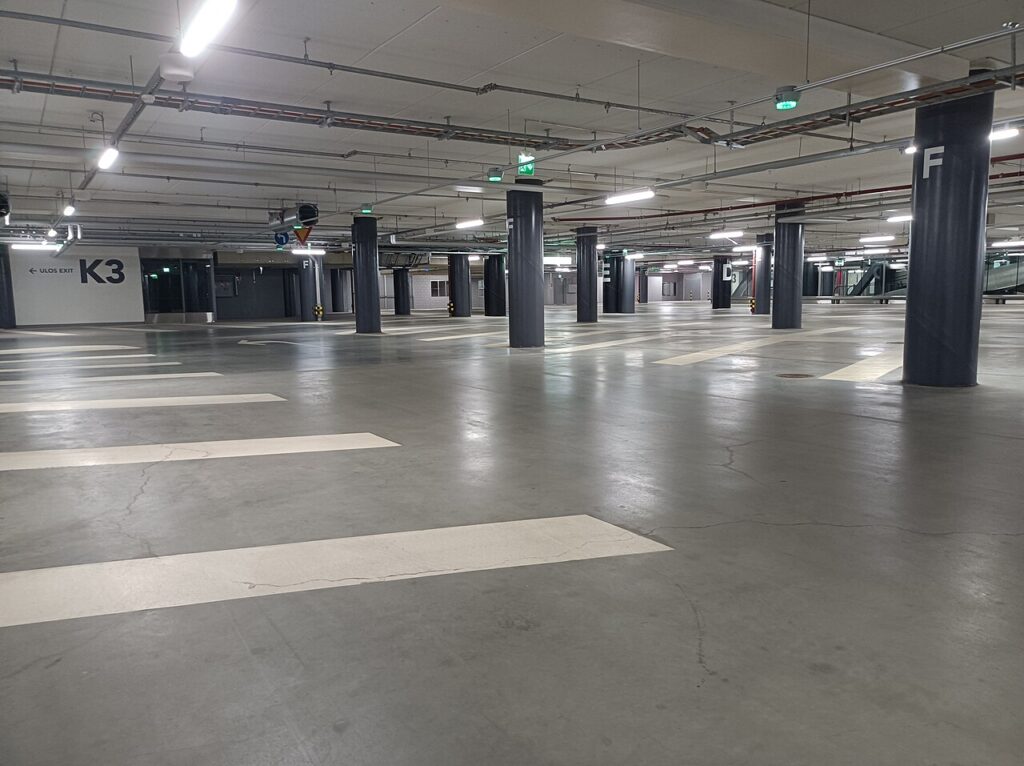
According to the driver, the garage had at least 10 open spaces visible from the lane, and nothing about the spot they chose screamed “don’t park here.” No cone, no chain, no bold RESERVED sign hanging from the ceiling. Just a normal-looking space in a normal-looking row.
When they returned and found the ticket, they did what most of us would do: walked straight to the attendant booth, ticket in hand, expecting a quick fix. Instead, they got a shrug and a sentence that felt like it came from a customer-service Mad Lib: “You parked in a virtual reserved zone.”
So what is a “virtual reserved zone,” exactly?
Parking operators are increasingly using apps and license-plate recognition (LPR) cameras to manage spaces dynamically. In simple terms, a space can be “reserved” in the system without any physical marker on the ground. If someone books a spot through an app, the garage’s software may treat a group of spaces—or a whole section—as assigned, even if nothing on-site tips you off.
It’s “virtual” because the restriction isn’t communicated the old-fashioned way: signs, paint, numbered stalls, or a human waving you away. It lives in a database and gets enforced after the fact, usually by patrol staff scanning plates or by camera systems that flag vehicles that aren’t linked to a paid reservation. Which is… convenient for the operator, and maddening for the person who just parked where it looked allowed.
The bigger issue: you can’t obey rules you can’t see
The most frustrating part of stories like this isn’t the $40 or $80 or whatever the ticket cost. It’s the feeling of being trapped in a game where the rules are invisible until you lose. Drivers aren’t mind readers, and “you should’ve known this space was virtually reserved” isn’t a real instruction.
Consumer advocates have been warning about this exact problem as parking goes more app-based and less human. Dynamic pricing and app reservations can make garages run more efficiently, sure—but only if there’s clear on-site communication. Otherwise, it starts to feel like the garage is using the element of surprise as a business model.
What the garage says (and what it doesn’t)
In cases like this, operators typically point to terms posted at the entrance—sometimes a big sign, sometimes a dense block of text you’d need binoculars to read while driving. The sign might say something like “Reserved spaces enforced” or “See app for availability,” even if it never explains which spaces are actually off-limits. And if you didn’t use the app, you may not even know there’s a separate reservation system running alongside regular parking.
Some garages do label reserved areas clearly, with colored paint, overhead placards, or numbering tied to a reservation. But “virtual zones” can be more fluid—today it’s Row C, tomorrow it’s Level 4 near the elevator—depending on demand. That flexibility is exactly what makes it hard to police fairly without better signage.
How this kind of ticket gets issued
There are a few common ways it happens. A roving attendant scans license plates and compares them to a list of paid reservations; any mismatch gets a citation. In more automated garages, cameras at the entrance record your plate, and internal cameras or sensors track where you parked, then reconcile that with the reservation inventory.
The driver in this case says they paid the normal hourly rate and still got ticketed—suggesting the system treated the space as belonging to a different “product,” like premium reservation parking. Basically, you didn’t just need to pay to park; you needed to pay the specific way the software expected. That’s the kind of detail that feels obvious only after you’ve been fined for not knowing it.
What you should do if this happens to you
First, take photos before you move your car: the space, the surrounding rows, nearby signs, and the garage entrance signage if you can safely grab it. If there’s no indication the area is reserved, that’s your best evidence. Also screenshot any payment receipt, app confirmation, or card transaction showing you paid to be there.
Next, ask for specifics—in writing if possible. Which spaces are in the “virtual reserved zone,” what time was your vehicle observed, and what policy authorizes ticketing without physical notice? You’re not being difficult; you’re making them explain a system that’s easy to enforce and hard to understand.
If there’s an appeals process, use it quickly and keep it tight: “I paid for parking, there were no signs indicating a reserved zone, and the restriction wasn’t visible to drivers.” Attach your photos and receipts. If it’s a privately issued ticket (not a city citation), you can also dispute through your card issuer if you believe the charge is unfair—though results vary and it can escalate things, so it’s worth weighing the hassle.
What drivers can look for to avoid the “gotcha”
It shouldn’t be your job to decode a garage’s software, but a few small habits can reduce the odds of getting burned. Look for any mention of “reserved,” “premium,” or “app parking” on entrance signs and pay stations. If the garage has a digital sign showing “Reserved Zone” arrows or a QR code for reservations, assume some areas may be off-limits even if they’re physically open.
When in doubt, park closer to areas that are clearly general-use—near pay stations marked “Hourly Parking” or levels explicitly labeled “Public.” And if you see fancy-looking spaces near elevators with unusually wide lanes, that’s often where premium reservations live, whether or not anyone bothered to label it that day.
A very modern parking problem
The whole point of a parking garage is to reduce friction: you drive in, you park, you leave. “Virtual reserved zones” flip that on its head, adding an invisible layer of rules that only the operator can see. It’s like being penalized for stepping on the wrong square in a board game where the board is blank.
If garages want drivers to respect reserved parking, the fix isn’t complicated: mark the spaces, post clear maps, or use electronic indicators above each stall. Until then, tickets like this will keep popping up—because you can’t comply with a boundary that exists only in someone else’s system.
More from Steel Horse Rides: