
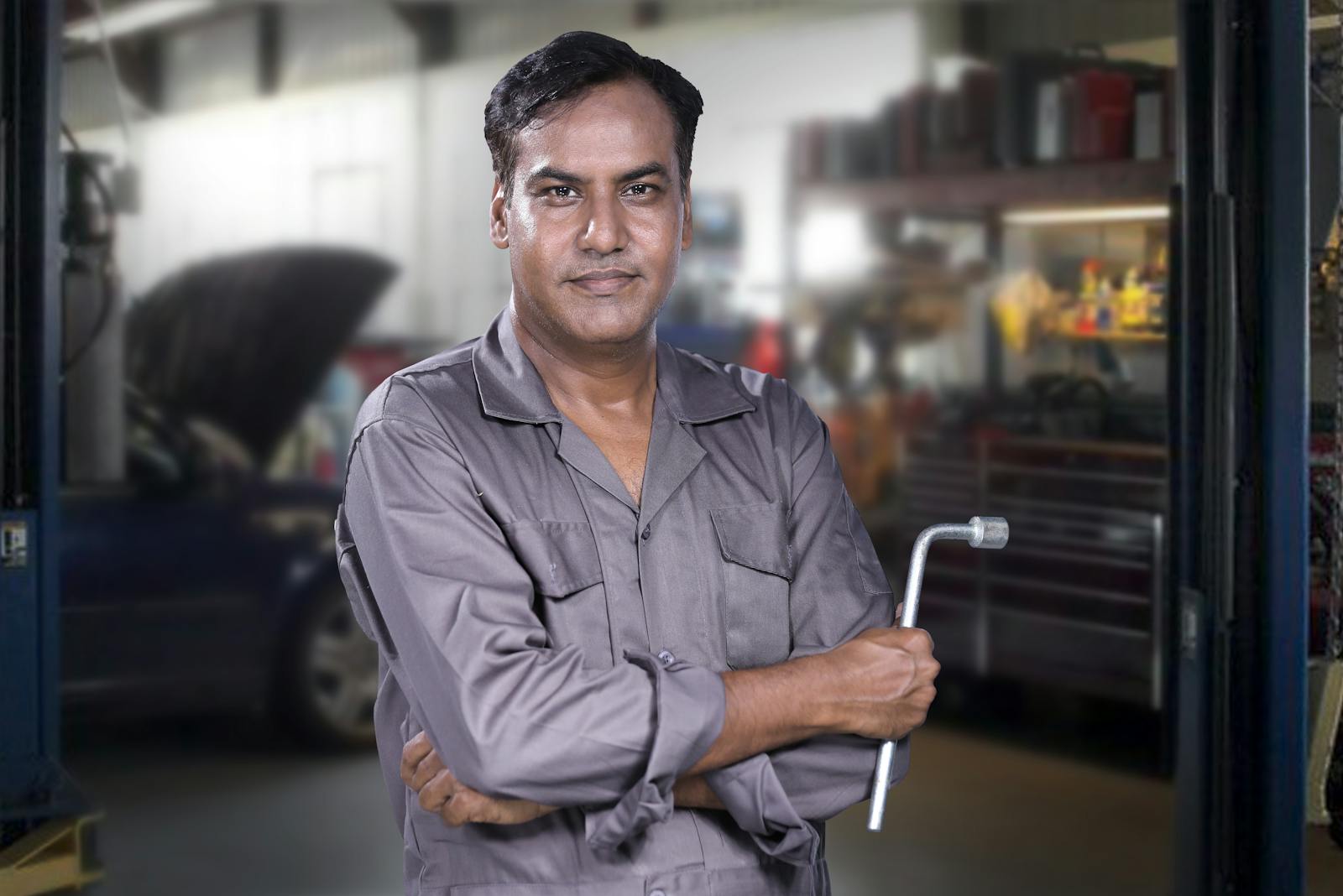

You know that moment at the shop when you’re trying to sound like a normal adult who definitely understands cars, and you ask a simple question… and the mechanic suddenly gets a little vague? Not “busy” vague. Not “I’m thinking” vague. More like “uhh… let’s not get into that” vague.
There’s one question in particular that tends to separate the straight-shooters from the shops that would rather you just nod, pay, and go away. And the difference often shows up in a pause — the kind of hesitation that tells you more than the answer ever will.
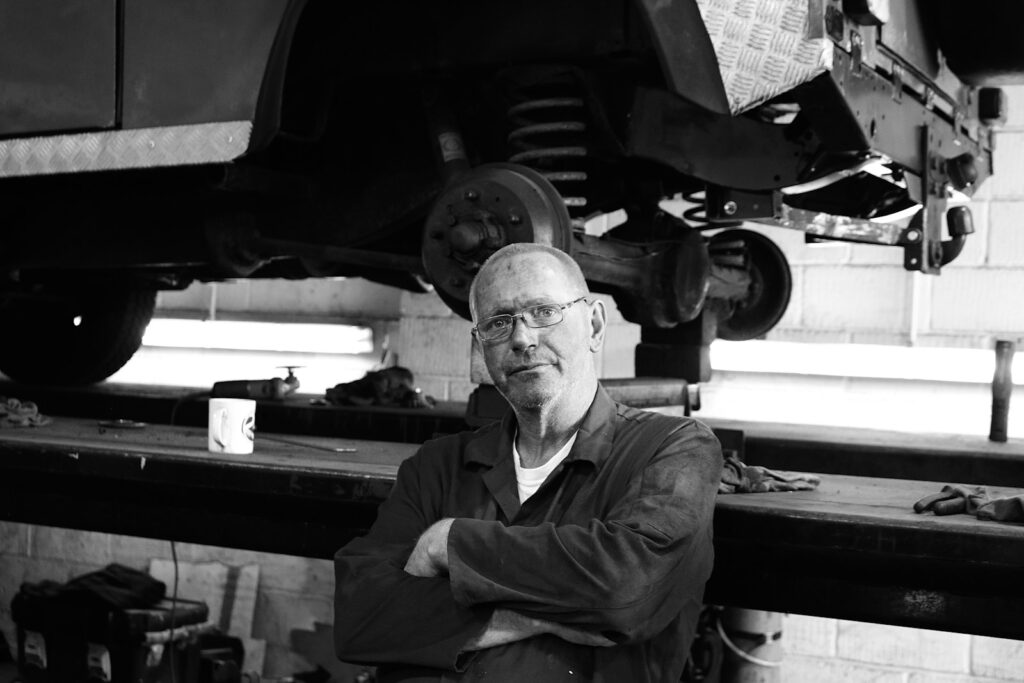
The one question that shouldn’t be hard
Here it is: “Can you show me the old part (or explain exactly what failed)?” That’s the question. Simple, polite, totally reasonable.
A good mechanic usually answers quickly: “Sure,” “Yep, I’ll hang onto it,” or “Absolutely, I’ll show you when we pull it out.” If they hesitate, dodge, or act offended like you’ve questioned their honor in a medieval duel… that’s when your internal alarm should quietly clear its throat.
Why this question matters so much
Most people aren’t trying to play detective. They just want to know they’re paying for something real — an actual diagnosis, an actual repair, an actual part that was actually bad.
Asking to see the old part (or to have the failure clearly explained) is a gentle accountability check. Honest shops don’t fear accountability; they build their whole reputation on it.
Also, it’s practical. Seeing a cracked belt, a leaking hose, or brake pads worn down to the “paper-thin and scary” stage makes the cost feel less like a mystery tax and more like a straightforward transaction.
What a good answer sounds like
A trustworthy mechanic doesn’t need a speech. They’ll keep it calm and specific: “Your front pads are at 2mm, and the rotors are grooved, so we recommend pads and rotors.” Or, “The battery tested weak under load and the alternator’s charging is fine.”
They might even offer to show you. Some shops will walk you out to the car, point a flashlight, and give you the 30-second tour. That’s usually a great sign — not because they’re trying to impress you, but because they’re not trying to hide the ball.
What hesitation can mean (and what it doesn’t)
To be fair, not every pause is a scam. Sometimes the shop is slammed, the car is already reassembled, or the tech who worked on it is elbow-deep in someone else’s engine bay. A brief “Sure, give me a minute” isn’t a red flag.
The bad kind of hesitation has a vibe: they stall, change the subject, or start using foggy language like “It was just worn out” without any detail. Or they discourage questions altogether. If you feel like you’re asking for state secrets, something’s off.
The “old parts” request is more normal than you think
In many places, returning replaced parts is standard practice if you ask. Some states and provinces even have consumer rules around it, especially for major repairs. Shops that work cleanly and honestly are usually prepared for customers who want to see what changed.
And no, you don’t have to take the old part home and build a museum of questionable automotive decisions. The point isn’t souvenirs. It’s clarity.
Extra points if they can explain it like a human
Another green flag is when they can explain the failure in plain language without talking down to you. “Your coolant is leaking from the water pump, and that’s why the engine’s running hot,” is miles better than “Your thermodynamic cooling system has suffered a catastrophic mechanical event,” said while avoiding eye contact.
Great mechanics are technical, but they’re also translators. They know most people just want the essentials: what broke, why it matters, and what it’ll cost to fix it properly.
Common situations where this question saves you money
Brakes are the classic. Lots of people get told they “need brakes” with zero context, even though brake wear is measurable. Asking to see the pads (or at least hear the thickness measurement) instantly turns it from vague to verifiable.
Fluids are another one. “Your transmission fluid is dirty” can be true… or it can be upsell bingo. Asking what “dirty” means, what the manufacturer recommends, and what symptoms they’re addressing can stop unnecessary services.
Electrical issues are where honesty really shines. A solid shop will talk about test results — battery load test, alternator output, parasitic draw — rather than guessing and swapping parts until your wallet gives up.
How to ask without making it weird
You don’t need to walk in with a clipboard and a suspicious squint. Keep it friendly: “Hey, could you set the old parts aside so I can take a quick look?” Or, “Can you show me what failed when you get a chance?”
Then pause and let them respond. A good shop won’t take it personally. If anything, they’ll hear, “This customer cares,” not “This customer is trouble.”
Other red flags that tend to travel with hesitation
If they won’t show old parts, you may also notice other things: no written estimate, vague line items (“labor — $600”), or pressure to decide immediately. Another classic is the “we already started” phone call before you’ve approved anything beyond diagnosis.
Transparency usually comes as a package deal. So does fog.
What to do if they dodge the question
First, stay calm and give them one more chance: “I’m happy to pay for the repair, I just want to understand what you found and see the part if possible.” If they can’t do that, ask for the diagnosis in writing and request your vehicle back (you may owe a diagnostic fee, which is normal).
If you’re mid-repair and you’re uncomfortable, ask them to pause work until you approve the next step. And if your gut is screaming, it’s okay to tow it somewhere else. The towing fee can be cheaper than a pile of unnecessary parts.
The bottom line
A mechanic who’s confident in their work usually has no problem backing it up with a quick explanation and, when practical, the old part in your hand. Hesitation doesn’t automatically mean dishonesty — but it does mean you should pay closer attention.
Because in car repair, the difference between “expensive but fair” and “expensive and sketchy” often comes down to one simple thing: whether the shop is willing to show you what you’re paying for.
More from Steel Horse Rides: