

Everybody loves a deal. I’m not immune either—if I can save a few bucks on wiper fluid or a cabin air filter, I’m feeling pretty pleased with myself. But there’s a line where “budget-friendly” turns into “why is my car doing that,” and it usually shows up in the parts that keep you upright, stopped, and in control.
Mechanics will tell you the same thing with a sigh: some components are perfectly fine to buy generic, and some are basically safety equipment wearing a car costume. Cutting corners on the wrong stuff doesn’t just mean extra noise or a check-engine light—it can mean longer stopping distances, unpredictable handling, or a failure at the worst possible moment. Here are the parts where going too cheap can quietly raise the stakes.
Brake pads and rotors: the “it’ll probably be fine” trap
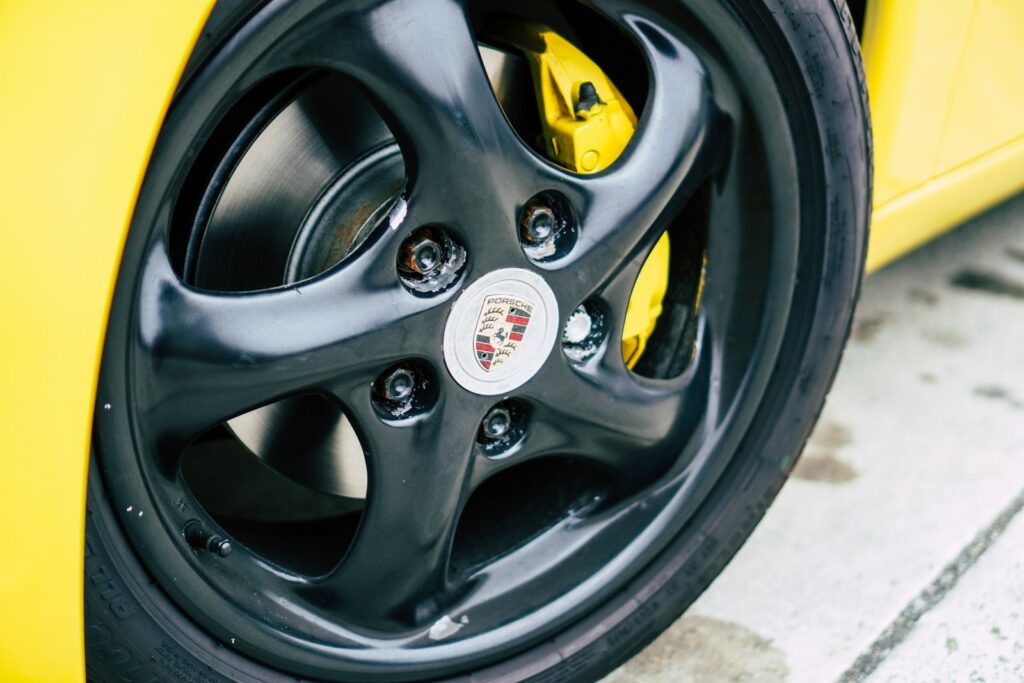
Brakes are the most obvious one, but they’re also where people get weirdly optimistic. Cheap pads can be made with lower-quality friction material, which can mean less bite when cold, faster fade when hot, and more stopping distance when you really need it. In regular commuting you might not notice—until you’re on the highway behind someone who suddenly remembers their exit.
Rotors matter too. Bargain rotors can be thinner, less consistent, and more prone to warping, which turns your steering wheel into a shaky maraca at 65 mph. A good rule: buy brake parts from reputable brands, and don’t ignore the “hardware kit” if it’s recommended—those clips and shims keep everything aligned and quiet.
Tires: where “good enough” can become “good luck”
Tires are your only contact with the road, which is a dramatic way of saying: they do a lot of work for four pieces of rubber. Ultra-cheap tires often have longer braking distances, worse wet traction, and less predictable behavior when conditions change. That unpredictability is the scary part—you don’t want surprises when it’s raining and someone cuts you off.
Also, cheap tires can wear oddly or quickly, and that “great deal” gets expensive fast. You don’t need the most premium performance tire on earth, but look for solid test results, known manufacturers, and the right tire for your climate. If you regularly drive in snow, “all-season” might be technically true while still being emotionally misleading.
Suspension and steering components: the slow-burn safety risk
Ball joints, tie rods, control arms, sway bar links—these don’t sound exciting, so they’re easy to treat like commodity parts. But they’re literally what connects your wheels to the car and tells them where to go. Cheap versions can have poor-quality bushings, sloppy tolerances, or weak dust boots that let grime in and grease out.
The danger isn’t always immediate; it’s the way wear compounds. A little play in a tie rod can turn into wandering steering, uneven tire wear, and a car that feels “floaty” in a way nobody enjoys. And in worst cases, a failure can mean loss of control—rare, but not the kind of rare you want to gamble on.
Lights: seeing and being seen isn’t optional
Headlights and taillights are easy to cheap out on because a bulb is a bulb, right? Not always. Cheap bulbs can be dimmer than advertised, burn out quickly, or scatter light in a way that reduces usable visibility and annoys everyone else on the road.
If your car uses LED modules or fancy HID setups, bargain parts can be even riskier—sometimes they trigger error messages, cause flickering, or don’t play nicely with the car’s electronics. A good bulb from a known brand costs a little more, but it’s still one of the cheaper safety upgrades you can buy.
Windshield wipers: small part, big consequences
Wipers are the classic “why did I wait so long” item. Cheap blades often chatter, streak, or leave that foggy smear right in your line of sight when it’s dark and raining. That’s not just annoying—it’s a visibility problem, which becomes a reaction-time problem.
Better blades tend to have more consistent rubber, sturdier frames, and better pressure distribution. No need to go luxury here, but skipping the bottom-of-the-barrel options is worth it. If your wipers sound like sneakers on a gym floor, your windshield is trying to tell you something.
Battery and charging components: unreliable can become unsafe
A dead battery usually feels like an inconvenience—until it strands you somewhere sketchy, or your car dies at an intersection because the charging system can’t keep up. Super-cheap batteries can have lower reserve capacity and shorter lifespan, especially in extreme heat or cold. And bargain alternators or starters can be a coin toss, because quality varies wildly.
When it comes to remanufactured electrical parts, brand reputation matters a lot. A part that fails early isn’t just a financial hit; it can create dangerous situations if it happens at the wrong time. If you’ve ever tried to push a car in business attire, you already get it.
Airbags and seatbelt parts: just don’t
This one’s simple: avoid cheap, questionable sources for anything related to airbags, seatbelts, or sensors. Counterfeit airbag modules and shady salvage parts are a real issue, and failures can be catastrophic. If the part has anything to do with restraint systems, stick to OEM or highly reputable suppliers and installation procedures.
Also, be cautious with “airbag light delete” tricks or resistors that mask a fault. If a warning light is on, that’s the car telling you it might not protect you when you need it most. That’s not a warning you want to mute.
So what should you do if you’re trying to save money?
You don’t have to buy the most expensive part on the shelf to be safe. The goal is “proven and dependable,” not “premium and shiny.” Look for trusted brands, real warranties, and parts that meet or exceed OEM specs—especially for brakes, tires, steering, and suspension.
If you’re not sure, ask a mechanic what they’d put on their own car, or search for independent test results and reviews that mention long-term use (not just “arrived fast”). And if a price looks too good to be true—like, suspiciously good—it probably comes with a hidden cost. Saving money is great; saving money by quietly increasing your risk is a deal nobody actually wants.
More from Steel Horse Rides: