

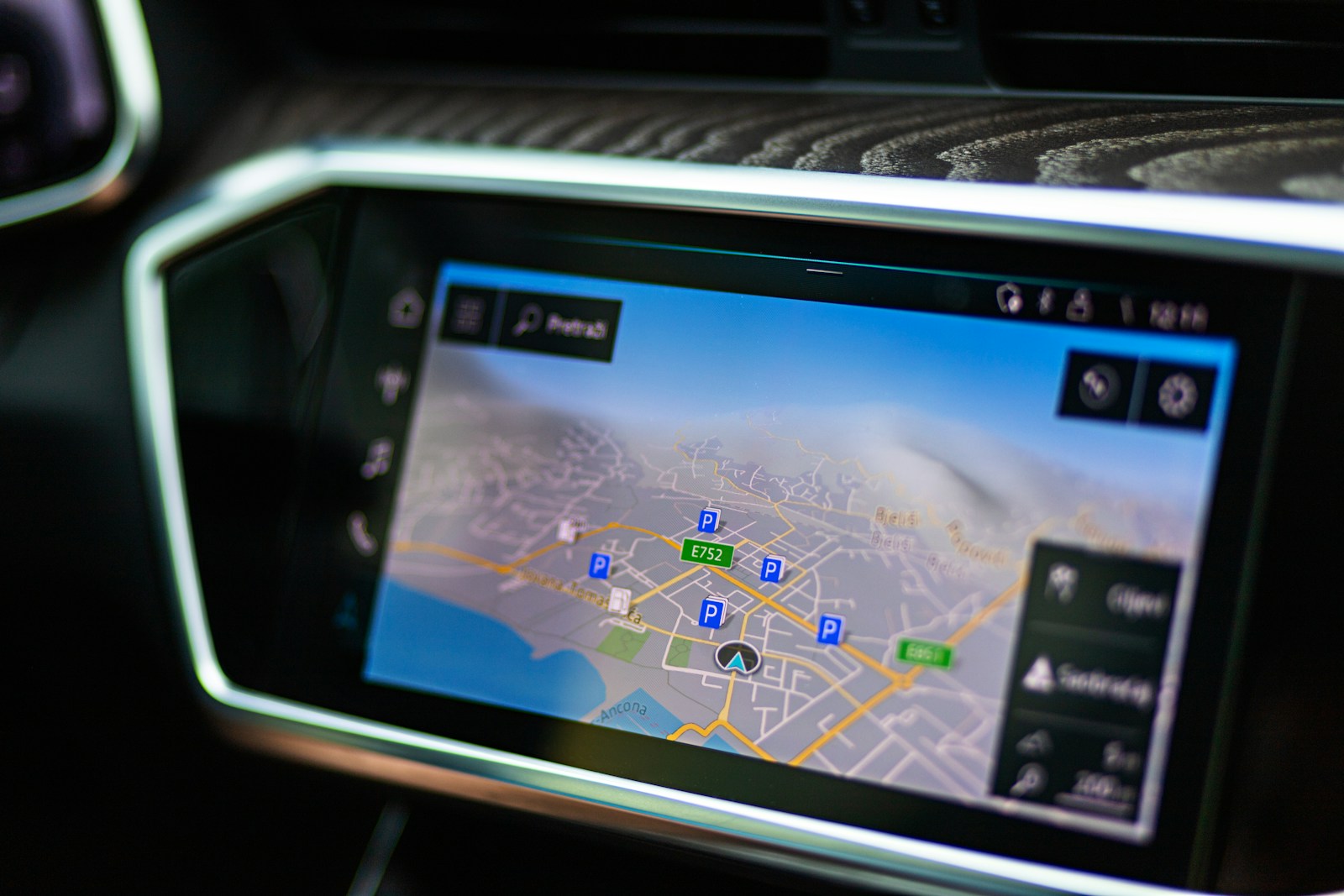
Infotainment systems logged 56.7 problems per 100 vehicles in J.D. Power’s 2026 U.S. Vehicle Dependability Study — more than double the next-worst category on the list. That single number is doing most of the damage to new-car reliability scores right now. Three-year-old vehicles racked up an industry average of 204 problems per 100 vehicles this year, according to J.D. Power’s own press release, a two-point jump from 2025 and the highest problem count logged since the study was rebuilt in 2022. The touchscreen in the middle of your dashboard, not the engine underneath the hood, is now the thing most likely to make your car feel unreliable.
The Category That’s Pulling Everything Down
Exterior problems came in a distant second at 27.5 PP100, meaning infotainment complaints alone outweigh whatever’s happening with paint, trim, and body panels combined with room to spare. J.D. Power frames the shift as a symptom of how long people are keeping their cars. “As owners hold onto their vehicles longer, the long-term ownership experience matters more than ever,” said Jason Norton, the firm’s director of auto benchmarking. A screen glitch that would have been a minor annoyance in year one becomes a running frustration by year three, and now it’s showing up as the industry’s single biggest dependability problem.
It’s Not Just Aging Systems Wearing Out
If this were purely a story about old touchscreens degrading, brand-new cars should look fine. They don’t. J.D. Power’s companion 2026 Initial Quality Study, which measures problems in the first 90 days of ownership, found infotainment was the only category out of ten that got worse year over year — mass-market infotainment logged 44.4 PP100 and premium brands 38.3 PP100, even as nine other categories improved. “When technology becomes too complicated, the likelihood of customers experiencing a problem rises considerably,” said Frank Hanley, J.D. Power’s senior director of auto benchmarking. The problem isn’t wear. It’s complexity that ships broken and gets worse with age.
Where the Frustration Actually Comes From
The Initial Quality Study also traces the complaints to a specific culprit: smartphone integration. Android Auto and Apple CarPlay connectivity issues alone added 1.4 PP100 to what would otherwise have been a year-over-year improvement, per J.D. Power’s data. It’s not just an annoyance category, either — among drivers who reported a distracted-driving problem in the study, 46% pointed to infotainment or touchscreen displays as the source of the distraction, with another 18% blaming driver-assistance alerts. A dropped Bluetooth connection or a touchscreen that won’t respond isn’t just irritating; it’s the kind of glitch that pulls a driver’s eyes off the road at the exact moment they’re trying to fix it.
Some Brands Are Clearly Handling It Better
The gap between best and worst shows this is solvable, not inevitable. J.D. Power’s brand rankings put Lexus at the top of the premium segment with 151 PP100 overall, ahead of Cadillac at 175 and Porsche at 182, while Buick led mass-market brands at 160 PP100, followed by Mini at 168 and Chevrolet at 178 — all comfortably under the 204 PP100 industry average. Toyota Motor Corporation, Lexus’s parent, took home eight model-level awards in this year’s study, more than any other manufacturer. None of that happens by accident with a system as complex as modern infotainment; it happens when a brand keeps its software simple enough not to break as often.
A Software Problem Wearing a Hardware Complaint’s Clothes
Put the two studies together and the pattern is hard to miss: this isn’t a manufacturing defect showing up in year three, and it isn’t a rookie mistake showing up in year one. It’s a persistent software and integration problem that exists at delivery and doesn’t get better with age, unlike almost every other category J.D. Power tracks. Automakers have spent two decades getting very good at making engines, transmissions, and body panels last. The dashboard screen running on top of all of it is now the weak link, and it’s the one part of the car most likely to still be buggy whether you bought it three months ago or three years ago.
For shoppers, that reframes what “reliable” even means in 2026. A car can post a flawless record on the metrics that used to define dependability — no oil leaks, no transmission trouble, no rattles — and still generate a steady stream of complaints because the screen freezes, the phone won’t pair, or a software update changes menus the owner had already learned. Two J.D. Power studies pointing at the same category, from two different points in a car’s ownership timeline, is a strong signal that the fix has to happen at the software layer, not the assembly line.