
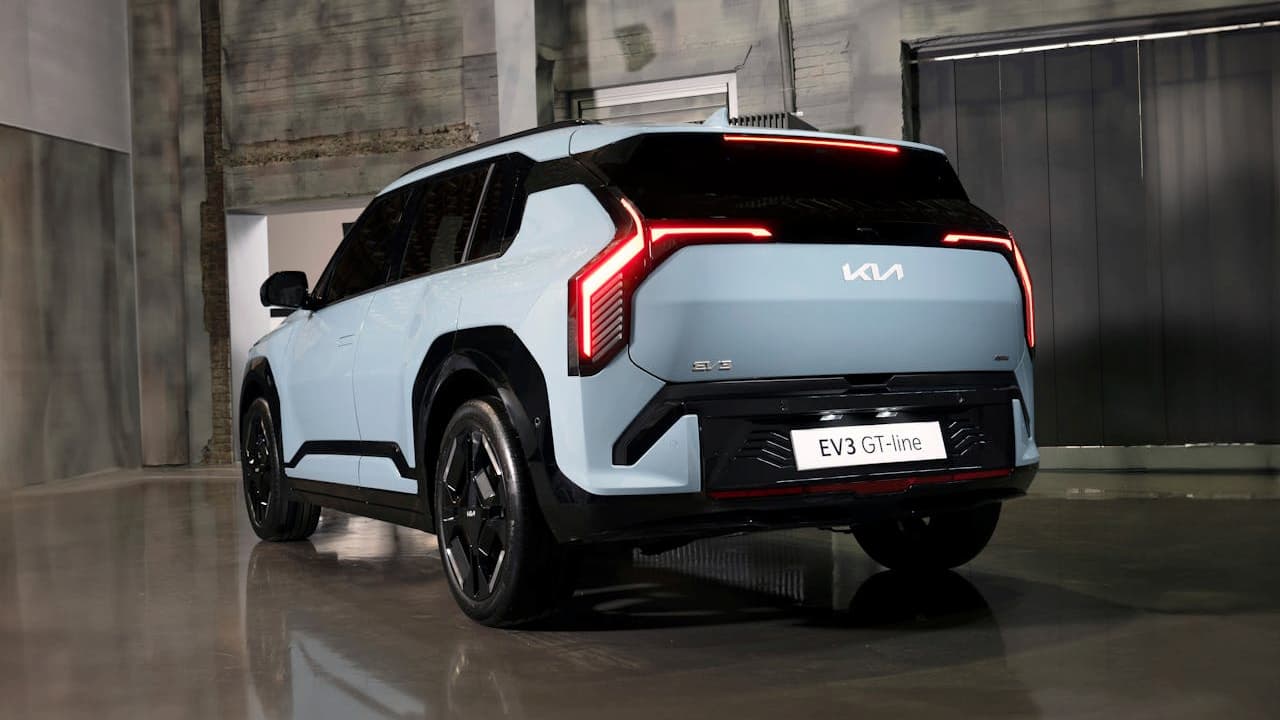

Vehicle theft in the United States dropped 23 percent in 2025, with 659,880 vehicles reported stolen nationwide compared with the year before, according to the National Insurance Crime Bureau’s historic-decline report released in March 2026. NICB President and CEO David J. Glawe credited the drop to “coordinated prevention efforts by law enforcement, auto manufacturers, insurance companies, and the National Insurance Crime Bureau.” Buried in that same report is a more useful number for anyone shopping for an anti-theft device: Hyundai and Kia’s share of total US vehicle thefts fell from 21 percent in 2023 to just 14 percent in 2025, a collapse that tracks almost exactly with a single piece of hardware getting fixed.
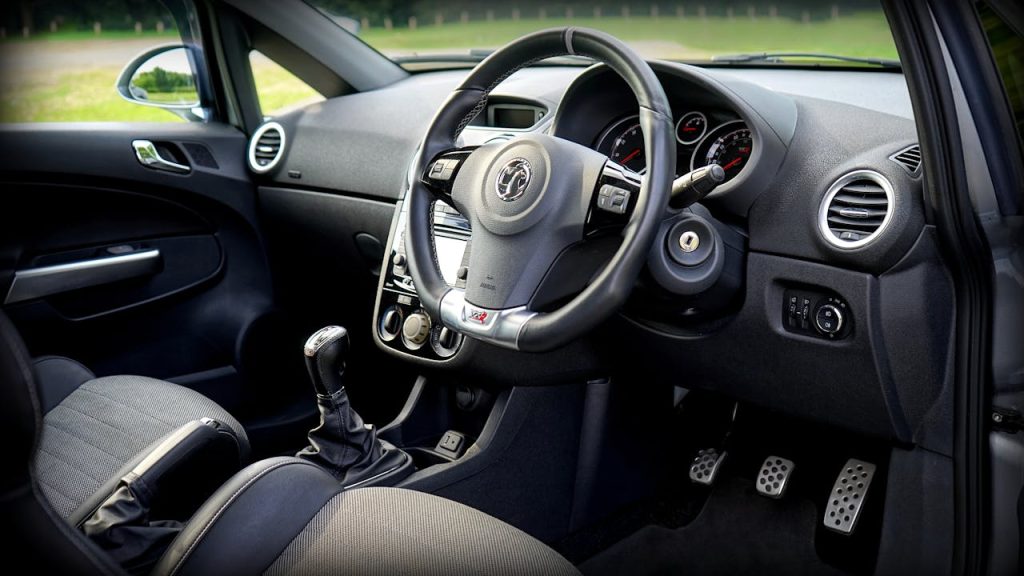
The immobilizer fix that insurance data can actually measure
That collapse traces back to the “Kia Boyz” theft wave, in which millions of Hyundai and Kia models built without engine immobilizers could be started with nothing more than a USB cable. The Insurance Institute for Highway Safety’s Highway Loss Data Institute tracked what happened once automakers pushed a free anti-theft software update to add that missing immobilizer function. Vehicles that received the update showed theft claim frequencies 53 percent lower than unupdated vehicles of the same age and model, and whole-vehicle theft claims specifically fell 64 percent. That is claims-data evidence, not a marketing brochure, and it lines up with an earlier HLDI analysis of Hyundai and Kia models built with immobilizers from the factory: the 2WD Kia Sportage, for instance, generated 7.3 theft claims per 1,000 insured vehicle years without an immobilizer versus 1.3 with one, and several other Kia and Hyundai models without the feature showed theft claim rates more than six times higher than immobilizer-equipped counterparts.
The update wasn’t a clean win, though, and HLDI’s own numbers show why “data-driven” beats “feel-good.” Vandalism claim frequency rose 61 percent on updated vehicles compared with vehicles that hadn’t gotten the fix, suggesting some thieves simply switched from driving cars away to breaking into or damaging ones they could no longer start. An immobilizer measurably stops theft; it doesn’t eliminate the underlying incentive to target a car.
Hidden trackers beat visible ones, according to decades of claims research
The clearest academic case for a specific device category comes from economists Ian Ayres and Steven Levitt, whose study of LoJack’s hidden radio-tracking system found that stolen LoJack-equipped vehicles were recovered about 95 percent of the time, versus roughly 60 percent for stolen vehicles generally, and that arrest rates in LoJack recoveries ran three times higher than average. Average dollar loss per theft came out near $1,000 for LoJack cars against roughly $4,000 for unequipped ones. The mechanism matters: because LoJack is concealed rather than advertised with a window sticker, a thief can’t identify and avoid it in advance, so citywide auto theft fell in the metro areas the researchers studied, including a 50 percent decline in Boston and a 35 percent decline in Newark tied to LoJack saturation. A visible deterrent can push a thief to the next car on the block; a hidden one removes the safe assumption that any given car is an easy target.
Where the claims data runs thin
Steering wheel locks, audible alarms, and aftermarket kill switches all still appear on NICB’s own list of recommended anti-theft measures, alongside GPS trackers and immobilizers, and none of them are useless. But none of them come attached to the kind of large-sample, insurer-verified claims-rate study that exists for factory immobilizers or hidden tracking hardware. HLDI and NICB both publish theft data organized by make, model, and now by immobilizer status, because insurers have a direct financial reason to isolate what lowers claims. A window sticker or an audible siren is easy to market and cheap to install, but it hasn’t been isolated the same way in claims data, largely because insurers can’t cleanly separate “car with an alarm” from every other variable in a policyholder’s driving history and neighborhood.
The practical read for a shopper is straightforward. A car with a factory passive immobilizer, or an owner who adds a concealed tracking system, is buying into the two categories where insurance claims data shows a real, measurable effect. A steering wheel bar or a sticker warning of a kill switch may still discourage an opportunist glancing through the window, but it is doing so on reputation rather than on the kind of evidence NICB and HLDI have already put on the record for the technology underneath the hood.