

She’d barely finished peeling the tow-sticker off her windshield when the insurance app pinged: “Vehicle deemed repairable.” The photos she’d taken in the rain—front end folded, hood buckled up like a popped can tab, one headlight dangling—were still in her camera roll, daring her to laugh. She’d been bracing for the usual bad news, but not this particular flavor of it.
The crash itself had been the kind of mundane nightmare that happens on a normal commute. Someone blew a light, her car took the hit, and the impact shoved the whole front corner into a curb hard enough to make the steering wheel jerk in her hands. The tow driver had done that little sympathetic whistle people do when they don’t want to say “that thing’s done,” and the police officer had told her, gently, to start gathering paperwork “just in case.”
So when the adjuster called and breezily said, “Good news—we’re going to fix it,” she blinked at her kitchen table like the wood grain might explain what reality she was in. The adjuster sounded chipper, practiced, like he was reading from a script titled Keep Them Calm. He told her the estimate was “within threshold,” parts were “available,” and the shop would have her back on the road soon.
The estimate that didn’t match the car
The insurance estimate arrived first, itemized and tidy, like a receipt for groceries. It had a bumper cover, a headlight assembly, some sensors, paint blend, and a handful of clips that sounded more like office supplies than car parts. There was no mention of the violent little detail she couldn’t ignore: the wheel on the hit side sat a touch too far back in the well, like the car was trying to shrink away from its own injury.
She called the adjuster and did the thing everyone does—kept her voice polite while asking pointed questions. What about alignment? What about suspension? What about the fact the hood didn’t even line up with the fender anymore? The adjuster’s tone tightened half a degree and he repeated the phrase “preliminary estimate,” promising the body shop would submit supplements if they found anything else.
That’s when the first weird pressure started. He suggested a “preferred” shop that would “keep things moving,” and when she mentioned she’d already had her car towed to a local place her family trusted, he paused like she’d just told him she planned to repair it with duct tape. He didn’t say she couldn’t use her shop, but he layered every sentence with subtle friction—slower turnaround, more paperwork, “sometimes they overbill.”
The body shop’s first look: “Uh… did they measure it?”
The shop wasn’t fancy, but it was the sort of place that smelled like paint and honest labor. The front desk guy took one look at the car, then looked at her like she’d brought in a horse with a broken leg and asked for a new saddle. He didn’t dramatize it; he just asked, “Did they do a teardown, or was this from photos?”
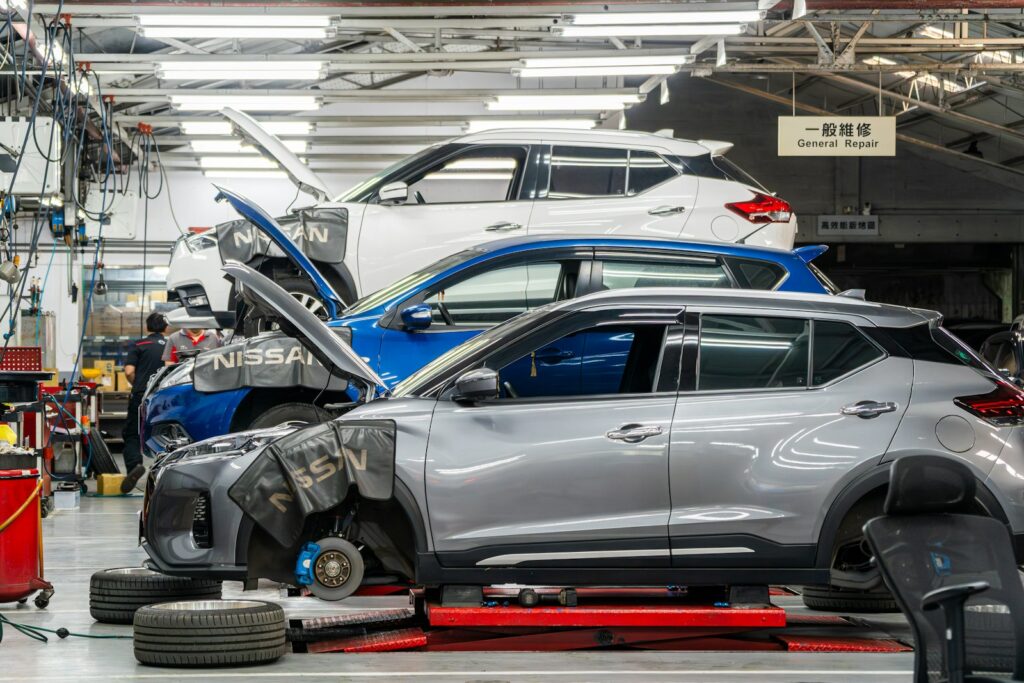
They pulled it into the bay and started the slow, careful ritual of removing damaged panels. The tech popped the hood, tugged at a crumpled corner, and frowned in a way that made her stomach dip. Then he pointed at a wrinkle in metal that didn’t belong there—subtle, but wrong, like a crease in a sheet that won’t smooth out no matter how you tug it.
He told her the word insurers hate: frame. Not in a “the car is split in half” way, but in the structural, geometry-is-everything way. He explained that modern unibody cars don’t have a big ladder frame like trucks; they have structural rails and crumple zones that are meant to bend in specific places, and once they’re pushed, everything else becomes a game of compensation.
They rolled out the measuring equipment and started checking points against factory specs. The shop manager didn’t try to scare her; he just got very quiet and very specific. The numbers were off, not by an invisible hair, but enough that he shook his head and said, “This isn’t a bumper-and-paint job.”
The “repairable” label starts to crack
The shop wrote up a supplement, then another, and then the kind of supplement that reads like someone finally turned the lights on. Suddenly there were structural pulls, possible rail replacement, suspension components, and a steering knuckle that looked like it had been introduced to physics too aggressively. The original estimate had been a polite fantasy; the new one was a list of consequences.
The adjuster’s response was immediate but not helpful. He wanted more photos—close-ups, angles, measurements—like the shop was pitching him on a renovation and he was the client deciding between granite and laminate. He asked whether the damage was “pre-existing,” which made the manager blink and then slowly look at her as if to say, Did he really just say that?
When she got on the phone, the adjuster didn’t accuse her outright, but he danced around the idea like he was trying on shoes. He asked if the car had been in previous accidents, if she’d noticed “alignment concerns” before the crash, if she had maintenance records. She kept answering, clipped and factual, while heat crawled up her neck because the implication was obvious: if the numbers were ugly, someone else must be to blame.
The shop manager offered to speak to the insurer directly, the way adults do when a conversation has stopped being productive. He took the call on speaker, calm but firm, and walked the adjuster through what they’d found. There was a long silence after he said, “The rail’s shifted,” and then the adjuster asked, flatly, if they could “attempt a pull” and re-measure before “jumping to totals.”
The convenient blind spot: “They ignored the part that costs money”
This is where things started feeling less like a misunderstanding and more like a tactic. The manager explained that the insurer’s initial estimate had basically treated the hit like a cosmetic problem, even though the wheel placement and the way the hood sat were screaming for a structural check. He didn’t say “they lied,” but he didn’t have to; his tone carried the meaning.
He showed her the damaged area with the kind of blunt clarity that’s hard to argue with. The metal had a ripple where it shouldn’t, and the mounting points weren’t where the factory said they should be. He tapped it with a gloved finger and said, “If we build the front end back up without correcting this, the car will never track right, and you’ll chew through tires and suspension parts until you hate the thing.”
She asked the question she’d been trying not to ask: is it safe? The manager didn’t do the dramatic pause people do in movies; he just exhaled and said that if it were his car, he wouldn’t want his family in it unless it was repaired to spec. He also said something that landed harder than the rest: “Sometimes they push ‘repairable’ because it’s cheaper on paper—until someone looks closely.”
Meanwhile, the insurer’s tone shifted into corporate stubbornness. They wanted a second inspection. They wanted their own field appraiser to come out and verify measurements. And they wanted to control the narrative, reminding her—more than once—that storage fees were “her responsibility” if repairs were delayed because she “chose” a non-preferred shop.
The standoff: measurements versus messaging
The field appraiser finally arrived with the body shop’s numbers printed out like homework. He was polite, but cautious, and he kept circling the car as if the right angle would make the problem disappear. When the manager walked him through the measurement points, the appraiser’s face did that tiny tightening people get when they realize they’re going to have to deliver an answer nobody wants to hear.
They argued in the careful language of professionals who don’t want to get caught saying the wrong thing. The shop insisted the damage was structural and the repair plan needed to reflect that. The appraiser kept returning to “repair methodology,” asking if there was a cheaper way to get “acceptable results” without replacing major components.
At one point, the shop manager stopped talking about metal and started talking about liability. If they signed off on a repair that didn’t bring it back to spec, it would be their name attached to whatever happened later—pulling, wandering steering, uneven airbag sensor calibration, the kind of small wrongness that turns into a bigger wrongness at highway speed. He wasn’t threatening; he was drawing a boundary, and it made the air in the bay feel heavier.
She stood there listening, arms folded, feeling oddly sidelined in a fight about her own car. Every time she tried to ask what would happen next, she got a different version of “we’ll see.” The insurer still hadn’t said the word “totaled,” and the shop wouldn’t start repairs until they had written approval for the actual scope, not the fairy tale estimate from week one.
By the time she left the shop that afternoon, the car was still sitting on the lot in pieces, half undressed, like it had been paused mid-surgery. The insurance company hadn’t admitted they’d ignored frame damage; they’d just moved the goalposts, one cautious email at a time. And she drove home in a rental, thinking about how easy it was for a vehicle to be “repairable” when the only person measuring it was someone who didn’t have to put their name on the fix.
More from Steel Horse Rides: