

You want luxury without the financial hangover — and this article shows how insurance, depreciation, and maintenance can turn some premium models into surprisingly practical choices. It highlights which luxury cars balance prestige with lower long-term costs so you can enjoy upscale features without paying luxury bills for years.
They’ll compare ownership factors across familiar names like Tesla, Audi, Lexus, and BMW to help you spot value where others see only price tags. Expect clear, practical guidance that points to models that keep ownership headaches and expenses manageable.
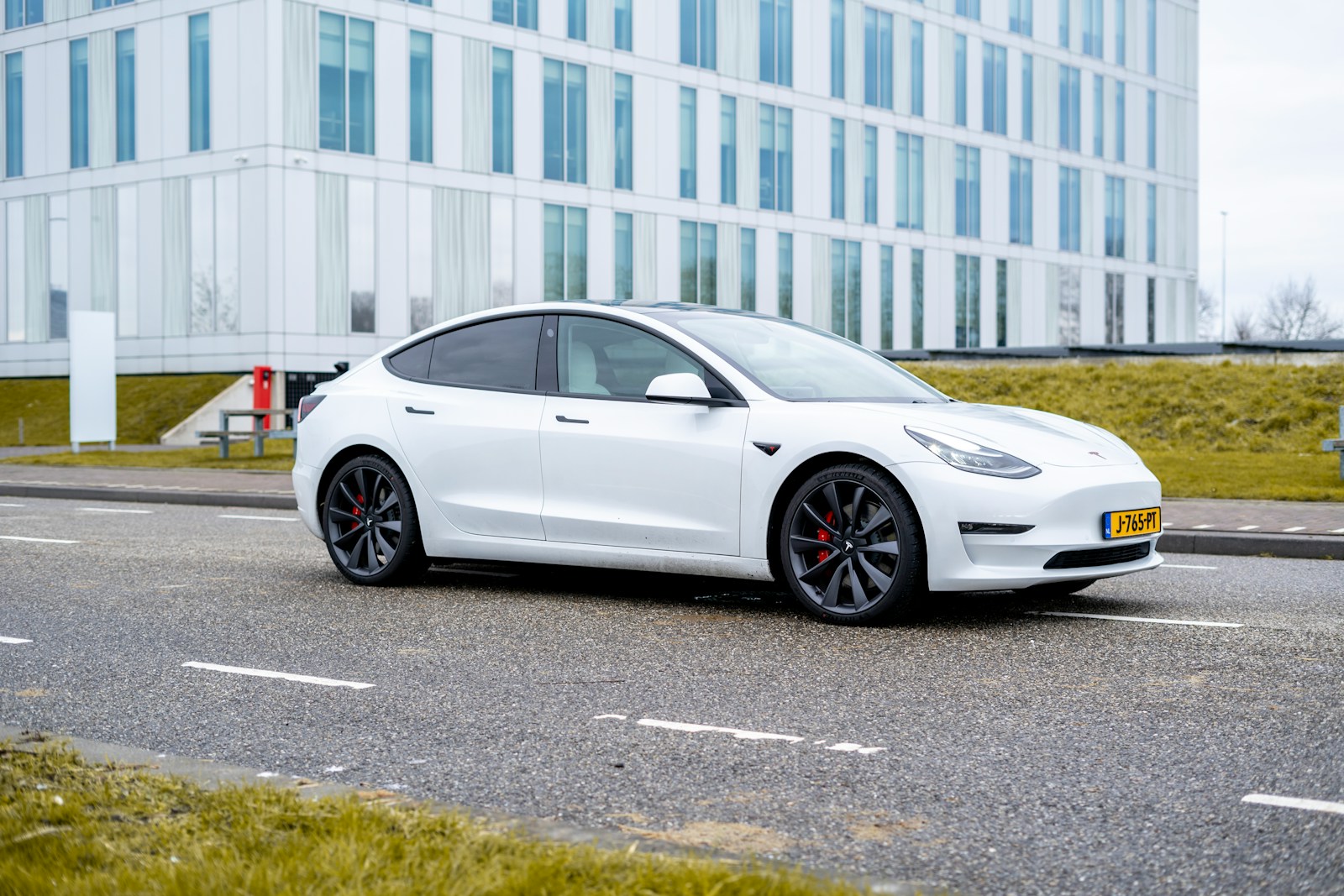
Tesla Model 3
The Model 3 often costs less to run than comparable luxury sedans because charging and routine maintenance are usually cheaper than gasoline and complex ICE service.
Insurance can be higher for Teslas, so buyers should shop multiple carriers and look for discounts.
Resale values have held relatively well compared with some rivals, which helps lower five-year ownership costs.
For more detailed cost breakdowns and projections, check Edmunds’ 2025 Tesla Model 3: True Cost to Own.
Audi A6
The A6 mixes premium finishes with technology that can lower long-term costs when buyers choose trims wisely.
They should expect higher depreciation and maintenance than mainstream sedans, so budgeting matters.
Insurance and fuel costs can be notable, but careful shopping trims those expenses.
Edmunds breaks down typical five-year ownership costs for the 2025 A6, which helps compare total outlays before buying (see the 2025 Audi A6 cost analysis).
Polestar 2
The Polestar 2 combines premium feel with lower running costs than many rivals.
Depreciation can be steep—some estimates show significant five-year loss—so buyers should check resale trends before buying.
Insurance for this electric hatchback often sits above mainstream models, but servicing is generally cheaper thanks to fewer moving parts.
Readers can find detailed cost breakdowns in a five-year ownership guide for the 2026 Polestar 2.
Lexus RX
The Lexus RX blends luxury comfort with surprisingly manageable running costs. It holds value well, losing roughly a third of its price over five years according to depreciation estimates like those for the RX 350 from CarEdge (about 33% in five years) and other trackers.
Insurance and routine maintenance run lower than many rivals, helping keep annual ownership costs reasonable. Buyers who prioritize reliability and resale tend to find the RX a practical luxury choice.
BMW X3
The X3 blends sporty handling with a premium cabin, but buyers should expect higher running costs than non-luxury compact SUVs. Insurance and scheduled maintenance add up, and repairs can be pricier over time.
Depreciation hits luxury models hard; projected five-year ownership figures illustrate sizable value loss for the X3. Compare long-term cost estimates like Edmunds’ true cost to own when budgeting.
Mercedes-Benz GLC
The GLC blends premium features with manageable running costs for a luxury SUV. It can lose roughly half its value in five years, so buyers should expect notable depreciation.
Insurance and maintenance run higher than mainstream rivals, though competitive within its segment; interested buyers can compare typical premiums and repair expectations using an insurance cost overview.
Budget-conscious owners who shop smart on parts, service providers, and resale timing can keep total ownership expenses reasonable.
Jaguar XE
The Jaguar XE blends sporty handling with compact luxury, making it appealing to buyers who want performance without excessive size.
Its insurance tends to be high for luxury compacts, though some model years rate better than peers; compare quotes to find savings from firms like Erie or national aggregators.
Depreciation is steeper than mainstream brands, so buyers should check resale trends before buying.
Maintenance and repairs average higher than non-luxury cars, but some new Jaguars once offered complimentary plans that can cut early ownership costs.
Acura RDX
The RDX blends luxury features with relatively low upkeep, so buyers often pay less for maintenance than many rivals. Insurance tends to run below average for luxury compact SUVs, helped by safety tech and strong reliability.
Depreciation sits near the segment median; used RDX examples can hold value better than some competitors. Shoppers who prioritize lower running costs often find a lightly used RDX delivers strong overall value.
Volvo XC60
The XC60 balances luxury features with reasonable running costs for its segment.
Depreciation is a major ownership cost, but the model retains value better than some rivals according to resale analyses like the one from iSeeCars.
Insurance and routine service can be higher than mainstream crossovers, yet average annual maintenance often falls under typical luxury-SUV expectations.
Buyers who shop certified pre-owned or maintain service records usually keep long-term costs more predictable.
Genesis G70
The G70 balances luxury feel with reasonable ownership costs, making it appealing to budget-conscious buyers.
Depreciation is moderate; Kelley Blue Book estimates a five-year residual and noticeable drop in value, which helps used buyers find deals (KBB data).
Insurance and maintenance tend to run lower than many rivals, so yearly expenses stay manageable.
That combination of lower running costs and strong driving dynamics keeps the G70 competitive in the compact luxury segment.