
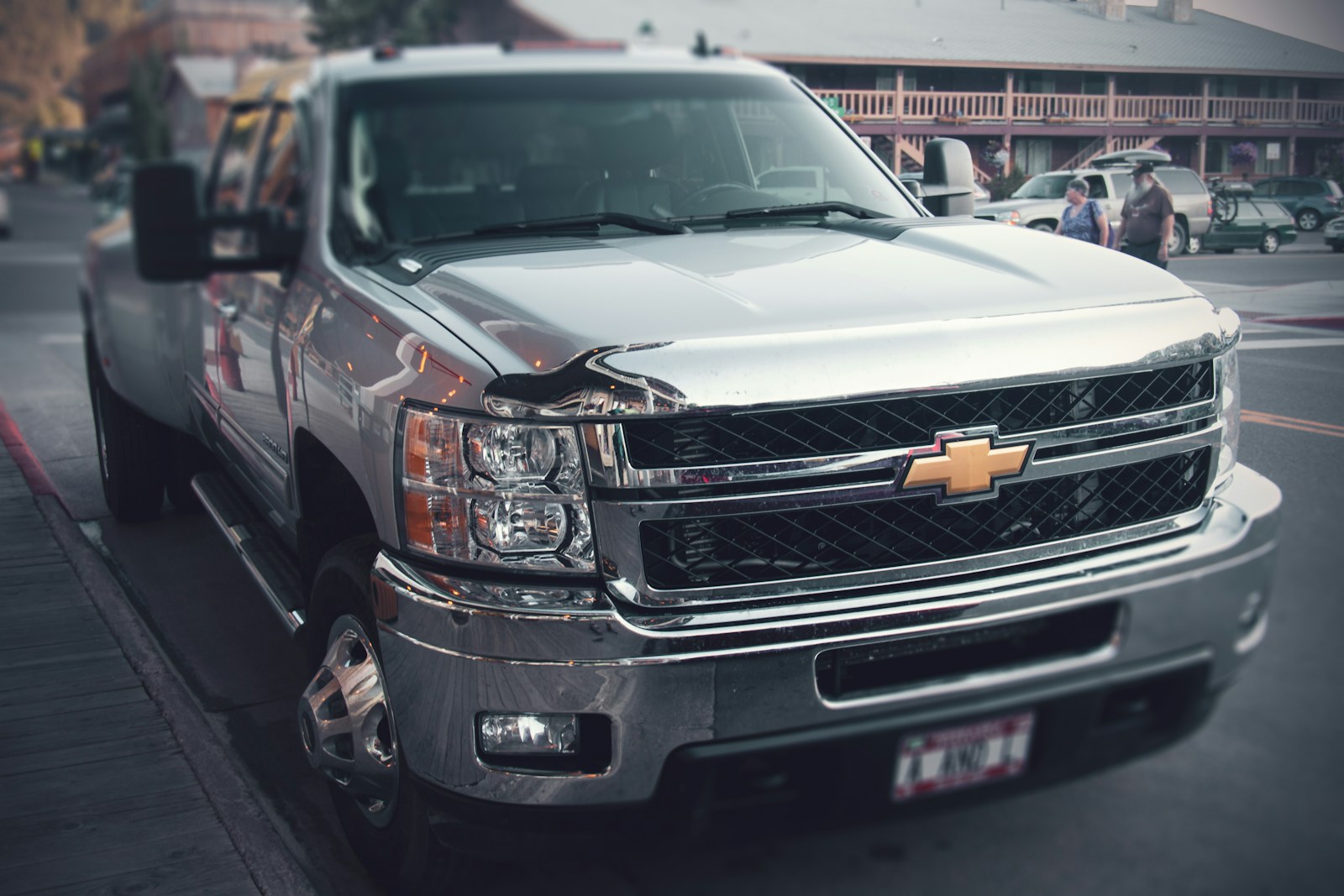

A stolen truck does not stay stolen-looking for long once a cloning ring gets to it. Swap the VIN plates and paperwork for those of a legally titled twin somewhere else in the country, and the vehicle a buyer test-drives at a private sale or small used lot comes with a title that traces back to a real, un-stolen truck. Investigators who have unwound these rings describe a scheme built specifically to survive the one check most buyers actually run.
How the swap works
According to the U.S. General Services Administration’s Office of Inspector General, which helped federal prosecutors build a case against six defendants charged with running a theft ring across Georgia, Tennessee and South Carolina, the method was methodical rather than opportunistic. Thieves stole vehicles directly from dealerships, then located a legitimately owned vehicle of the same make and model to copy its VIN. They stamped that borrowed identification number onto the stolen vehicle’s dash plate, forged powers of attorney, and used those documents to obtain clean titles from state motor vehicle departments. From that point forward, the stolen vehicle carried paperwork that matched a real car’s legal history. GSA OIG’s account lists at least eight Bentleys, three Audis, two Mercedes-Benzes, two GMC Yukons and two Chevrolet Corvettes moved through the scheme before it was charged, a scale that required the ring to keep the fraud running across multiple states long enough to place that many vehicles with buyers.
A more recent case shows the same mechanics applied specifically to pickup trucks. Law enforcement in Hays County, Texas, recovered four GMC Denali trucks worth more than $220,000 that had been cloned, according to reporting citing the Hays County Sheriff’s Office. The department described thieves replacing the VINs of stolen trucks with numbers pulled from legally registered vehicles of the same make and model, then selling the cloned trucks on Facebook Marketplace at prices low enough to attract buyers without raising suspicion. “All victims were provided fictitious titles for the cloned vehicles,” the sheriff’s office said. The case reportedly broke open only after the county tax assessor’s office flagged irregularities in the paperwork, not because a buyer’s own VIN check caught anything wrong.

Why a standard VIN check misses it
The reason this scheme defeats an ordinary buyer’s due diligence is structural, not a matter of buyer carelessness. A cloned VIN is, by design, a real and valid number pulled from an actual titled vehicle. Running that VIN through a free lookup or even a paid vehicle history report returns the clean record of the legitimate donor vehicle, not the stolen truck sitting in the buyer’s driveway, because the check is only ever as good as the number typed into it. The National Insurance Crime Bureau is explicit that a clean result from its own free VINCheck tool, which screens against theft, salvage and flood records reported by insurers representing more than 92 percent of the country’s insured vehicles, “does not guarantee” a clean history, precisely because the check can only flag what has been reported against that specific number. A cloned VIN was never reported stolen, because the number itself was never stolen. It is the underlying truck attached to it that was.
The gap that lets it unravel, eventually
Both cases show the schemes surviving on borrowed legitimacy rather than forged legitimacy, which is also what eventually exposes them. In the Georgia-based case, investigators pieced the fraud together across three states and multiple vehicle brands before charges were filed. In the Texas case, it took a government records office noticing a title irregularity, not a buyer’s own research, to trigger the recovery. In both instances, the fraud held up under the exact check a cautious buyer is told to run, because the check was validating someone else’s real truck the entire time.
The practical defense against this specific fraud is narrower than a standard VIN lookup. Comparing the VIN stamped on the dash, the door jamb sticker, and the title paperwork against each other for signs of re-stamping, having a locksmith or dealer pull the vehicle’s confidential secondary VIN often hidden on the frame or engine block, and being wary of any private sale priced meaningfully below comparable listings are the checks that actually target a cloned identity rather than confirming one.