
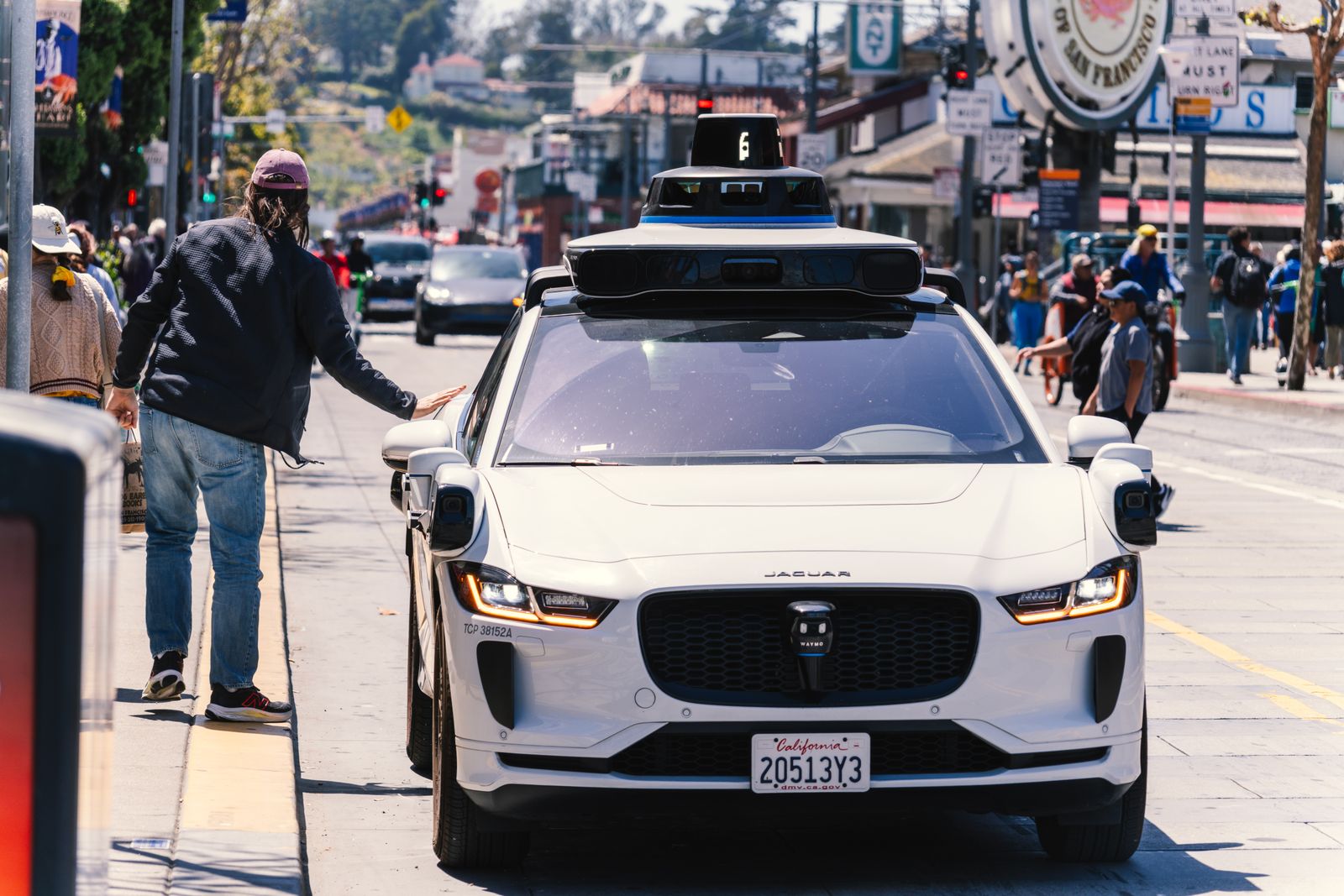

Nevada regulators cleared Tesla, Waymo, and Uber to run up to 7,000 robotaxis combined in the Las Vegas area, according to the Las Vegas Review-Journal. The Nevada Transportation Authority approved the permits in a unanimous vote on August 20, 2026, setting company-by-company caps rather than one shared pool.
Key Points
- Tesla was approved for up to 5,000 robotaxis over the next 12 months — by far the largest single allocation.
- Waymo was approved for 1,000 vehicles; Uber, operating its own robotaxi network alongside partners Zoox and Motional, was approved for 1,000 vehicles.
- The combined 7,000-vehicle cap is a regulatory ceiling, not a deployment target — Tesla’s own permit application months earlier had requested just 10 vehicles before the full authority granted the larger allocation.
- All three companies still need separate sign-off from Clark County’s Department of Aviation before they can serve Harry Reid International Airport.
The size of Tesla’s allocation stands out against how the rollout has actually gone so far. Tesla initially received approval for only 10 robotaxis in Las Vegas this past July, according to the Review-Journal, before the full Transportation Authority board later heard the company’s request for a much larger fleet and approved a cap of 5,000. That gap between a ten-car pilot and a five-thousand-car ceiling is the difference between what a company is running today and what regulators are willing to let it scale to over the next year.
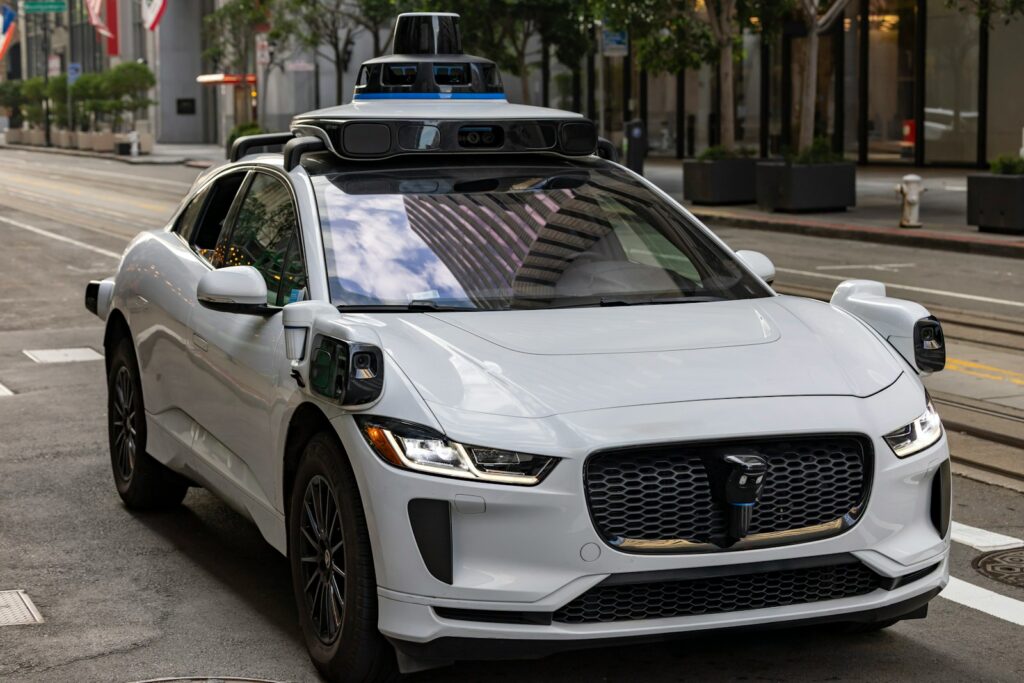
Waymo and Uber’s permits work differently in practice. Waymo already operates paid robotaxi service in several U.S. cities and is approved for 1,000 vehicles in Clark County under its own brand, according to TechCrunch. Uber’s permit covers a network that combines its own platform with vehicles from Amazon’s Zoox and Hyundai’s Motional, rather than Uber building or operating the vehicles itself — the ride-hailing company is essentially the dispatch and payment layer, with its partners supplying the actual autonomous hardware.
None of the three companies are likely to hit their individual caps anytime soon. Permit limits like these are typically set well above realistic near-term fleet sizes specifically so companies don’t need to reapply every time they add vehicles — a pattern that’s shown up in other markets as robotaxi operators scale gradually rather than flooding a city on day one. For riders in Las Vegas, the more immediate change is that three separate companies, not just one, now have legal clearance to charge fares for driverless rides across the metro.