

She’d handed him the keys the way you do when you’re trying to be supportive without making a big deal out of it. His car had been acting up for weeks, he was picking up extra shifts, and her little sedan was reliable. “Just bring it back with gas,” she’d said, half-joking, half-serious, because that’s the only tax you can really enforce in a relationship.
For the first couple days, it looked normal. He’d text when he was leaving, send a quick “made it” when he got to work, and show up at her place later with the same tired face and work bag. The car smelled like his energy drink for a bit, but that was the only evidence he’d been living out of it.
Then, on a random evening scroll, she saw her car again—just not in her driveway. It was in the corner of another woman’s date-night photo, tagged like a punchline she wasn’t in on.
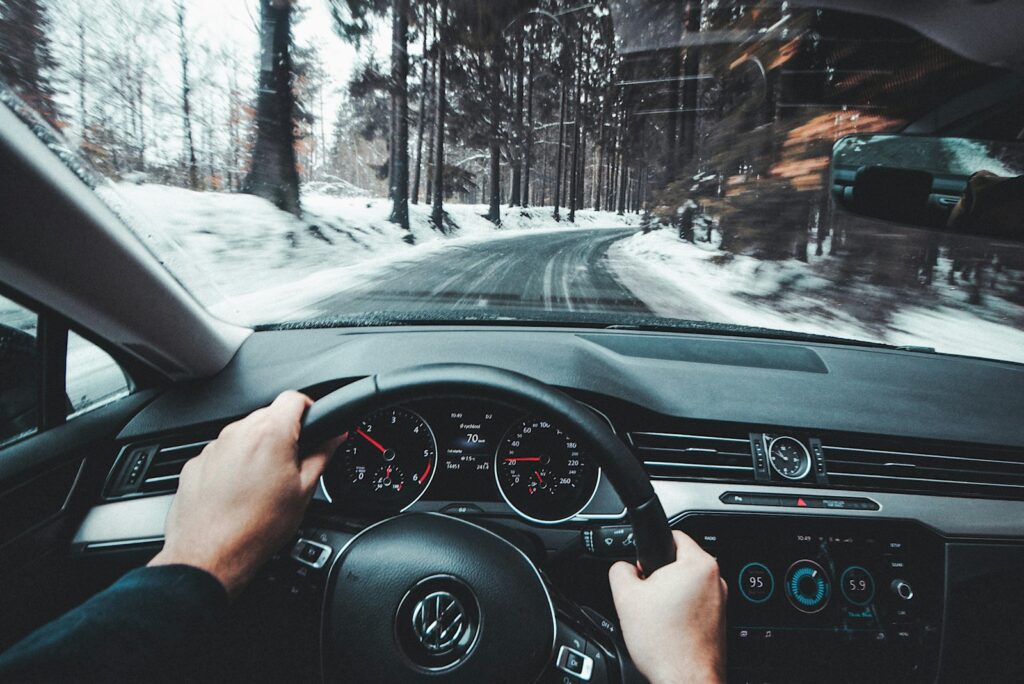
The boring “borrowed car” arrangement
They weren’t a new couple, but they weren’t the kind that had merged lives either. Separate leases, separate finances, the occasional weekend together when schedules lined up. The car loan was supposed to be temporary, a practical patch while he “figured out” the repair situation.
He’d sold it as pure necessity: his commute was too far, rideshares were expensive, and he didn’t want to keep asking coworkers for rides. She didn’t love it, but she loved him, and the math kind of made sense. He even promised he’d only use it for work and errands, like it was a company vehicle with a strict mileage limit.
There were little signs that made her feel weird, but nothing you could pin down without sounding paranoid. The seat was pushed back farther than she left it, and once she found a fast-food receipt for a place nowhere near his job. When she asked, he laughed and said, “Detour. I was starving.”
It was the kind of explanation that technically worked. She told herself she was being uptight and tried to enjoy the nice parts of dating someone who acted grateful when you helped. In hindsight, that gratitude had started to look like performance.
The photo that wasn’t supposed to include her car
The photo showed up because social media is basically a web of accidental intersections. A woman she vaguely recognized—friend-of-a-friend, mutual from some old group hang—had posted a date-night carousel. Dim restaurant lighting, a cocktail glass, a cute shot of her in a mirror, and then a final picture outside like a little “ending the night” stamp.
In the background of that last shot, angled under a streetlight, was the girlfriend’s car. Same color. Same tiny scratch near the rear bumper that she’d complained about for months. Same dent by the wheel well from a parking lot hit-and-run she never got fixed because it felt like a waste of money.
What made it worse wasn’t just that the car was there. It was that the woman had tagged her location, and the location was nowhere near his job, his usual errands, or anything he’d mentioned. It was a place with valet, string lights, and the kind of entrance you take photos in front of on purpose.
At first she tried to talk herself down. Maybe it was a coincidence. Maybe the angle made it look like her car. But then she zoomed in and saw the license plate—partially blocked by the woman’s caption sticker, but visible enough to recognize. That sinking feeling didn’t come all at once. It crept up her spine like cold water.
The first confrontation: “You’re overthinking it”
She didn’t call him immediately. She waited, screenshotting the photo like she was collecting evidence for a case she didn’t want to have. When he texted later—something casual like “still at work, long night”—she stared at the message until it blurred.
When he finally came by, she kept it deceptively normal for about five minutes. Let him talk about his shift. Let him kick off his shoes and ask what she wanted to watch. Then she asked, carefully, “Did you go anywhere after work yesterday?”
He barely looked up. “No. Why?” That was the first clean lie, delivered without hesitation, like he’d practiced saying it to himself on the drive over.
She showed him the screenshot. Not shoved in his face, just held out like an open hand. His expression didn’t go guilty right away—first it went confused, then annoyed, then defensive, like he was mad she’d made him do the work of explaining.
He tried the easy move: dismiss it. “That’s not even your car,” he said, too fast. Then, when she pointed out the plate, he pivoted to the second move: minimize. “Okay, I was there. It was nothing. I was just dropping someone off.”
Dropping someone off turned into “a coworker” when she asked who. Then it turned into “a friend from work” when she asked why he hadn’t mentioned it. Every answer came with a new little adjustment, like he was shuffling cards and hoping she wouldn’t notice it wasn’t the same deck.
The details that didn’t line up
She asked him what the woman’s name was. He said one, and she immediately recognized it wasn’t the name of the person who posted the photo. When she corrected him, his face did that micro-freeze people do when their brain is scrambling for a new story.
Then he got irritated that she “knew” the woman. Not because it mattered, but because it meant she had access to reality. He leaned into that ugly tone some people use when they’re cornered: “Why are you stalking people online?” as if the problem was her thumb scrolling, not his borrowed car showing up in another woman’s date-night frame.
She asked the simplest question in the world: “Why was my car there?” He said he’d picked the woman up because her car was in the shop. He said it like it was obvious, like it was almost generous of him to be helping someone.
But the story had holes. If it was just a ride, why the nice restaurant? Why the photo outside like they were posing? Why had he told his girlfriend he was at work when he was clearly somewhere else? He didn’t answer those directly. He kept trying to make her argue the small stuff so he could avoid the big stuff.
And then she noticed something that made it all feel less like a misunderstanding and more like a pattern: the passenger seat was adjusted in a way she hadn’t questioned before. Not just pushed back. Tilted. The mirror slightly angled. Like someone had been riding in that seat regularly and making herself comfortable.
The second wave: the other woman’s version
She didn’t want to message the other woman. That felt humiliating, like volunteering to be part of a drama she didn’t create. But the screenshot existed, and the car was hers, and she was tired of getting explanations that kept changing shape.
So she sent a short, direct message: basically, “Hey, I think that’s my car in your photo. I loaned it to my boyfriend. Just trying to understand why it’s there.” No insults. No threats. Just a question with enough politeness to make the truth harder to dodge.
The response didn’t come right away. When it did, it was a mix of surprise and instant defensiveness, like the other woman had been living inside a story where the girlfriend didn’t exist. She said she’d been seeing him “for a little bit,” that he told her he was single, and that he’d picked her up because “his car was in the shop.”
That line hit like a slap because it was the same excuse he’d used on both of them, just flipped depending on who he was talking to. With his girlfriend, he needed her car because his car was unreliable. With the date, he needed the girlfriend’s car because his car was unavailable. He’d turned his lack of transportation into a magic prop that made him look responsible in both narratives.
The other woman sent one more message that made the girlfriend’s stomach twist: apparently, he’d been picking her up for weeks. Not once. Not an emergency. Weeks. Which meant every “work shift” that ran late, every “quick errand” that took too long, every unexplained detour—those weren’t random at all.
Where it left them: keys on the counter, silence in the room
When she confronted him with what the other woman said, he didn’t deny it. He just changed tactics again, sliding into that slippery mix of apology and blame. He said he “didn’t mean for it to happen,” he said he was “stressed,” he said their relationship had felt “distant,” like that explained using her car as his dating shuttle.
She told him to give the keys back. He did, but he didn’t place them gently; he dropped them on the counter like he was returning something he resented having to borrow. Then he stood there, arms crossed, waiting for her to tell him what the consequences were, as if she was a manager and he was negotiating a warning instead of a breakup.
The worst part wasn’t even the cheating, as clean and brutal as that was. It was the casual entitlement of it: he’d used her trust, her property, her willingness to help, and he’d wrapped it all in lies that were supposed to keep her calm. He hadn’t just done something wrong—he’d assumed she’d never connect the dots.
And that’s where the story stuck, in that ugly limbo after the keys changed hands. She had her car back in the driveway, but now it felt like an object that had been dragged through someone else’s secret life. She could wash the seats and fill the tank, but she couldn’t unsee that date-night photo—the one where her car sat in the background like a silent accomplice, accidentally tagged into a night she never agreed to.
More from Steel Horse Rides: