

He bought the diesel truck like someone buying a life hack. Not because he needed a truck for work, not because he had a lifelong dream of rolling coal, but because he’d gotten it into his head that diesel meant “cheap miles” and “built to last.” The plan was simple: spend less on fuel, stop putting wear on his paid-off sedan, and look vaguely competent doing “adult stuff” like hauling lumber and helping friends move.
It was a used three-quarter-ton from the mid-2000s, the kind that still looks tough even when the paint has given up. The listing was full of phrases like “runs strong,” “just serviced,” and “only selling because I upgraded,” which are basically the Craigslist equivalent of “trust me, bro.” He showed up with cash, brought his buddy who knows “a little about trucks,” and drove it home feeling like he’d gamed the system.
His wife—technically fiancée at the time—didn’t love it, but she didn’t fight him either. They were in that weird pre-wedding stretch where every purchase gets compared to centerpieces and caterer deposits, and he kept saying, “This will save us money.” He said it so often it started sounding like a spell he was casting over their bank account.
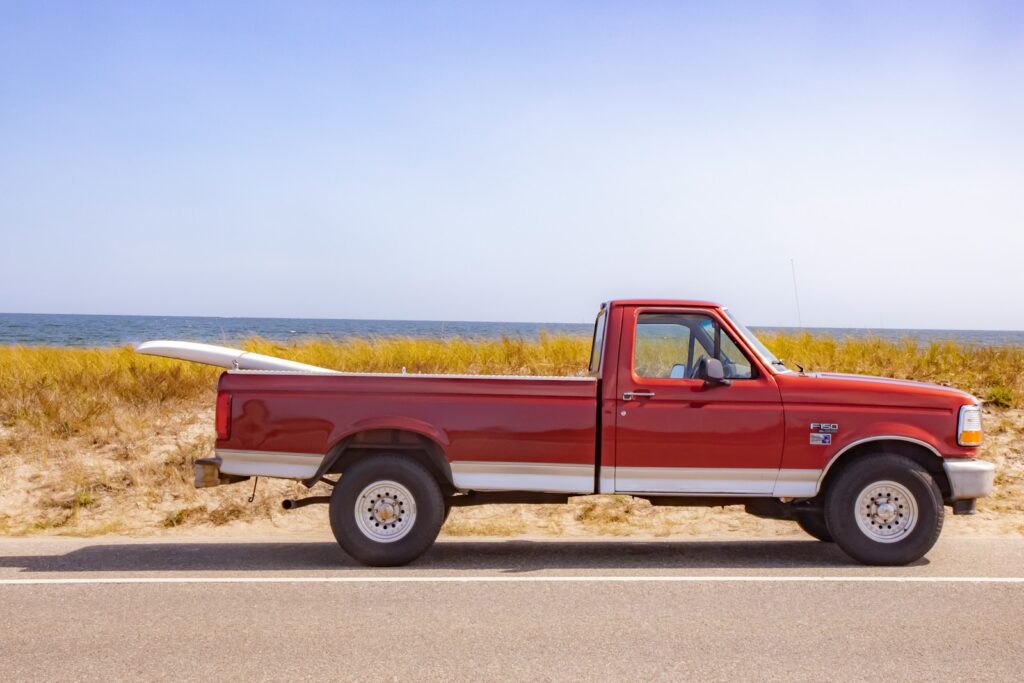
The “good deal” energy
The truck cost him a little under ten grand, which to him felt like a steal for something that sat that high off the ground and sounded that serious when it started. He’d already done the math out loud several times: diesel gets better mileage, it’ll last forever, parts are everywhere, and even if something minor breaks, it’s still worth it. He liked saying “these engines go 300k easy” as if merely repeating it would add miles back into the odometer.
For the first week, he was insufferable in a quiet way. Every errand became an excuse to take the truck, and every stoplight became a chance to admire his own hood line. He’d back into parking spots like he was in a commercial, then walk away slow so he could glance back at it.
Then the little signs started showing up, the way they always do with “good deal” vehicles. A faint smell of hot oil after longer drives, a slightly weird hesitation when merging, and an occasional puff of smoke that didn’t look like the harmless kind. He dismissed it all with the confidence of someone who’d watched three YouTube videos and now believed he had a relationship with the machine.
First cold morning, first bad sound
The trouble really announced itself on a cold morning when the truck didn’t want to start like it had been doing all week. It cranked longer than usual, then caught with a rough, uneven idle that made the steering wheel tremble. He sat there with one hand on the key like he could will it into behaving, listening to the engine clatter in a way that didn’t sound “diesel normal” anymore.
He texted his buddy first, the same buddy who’d gone with him to buy it, because that’s how these stories go. The buddy asked if the “check engine” light was on, and it was, but it had been on briefly the day he bought it too, and the seller had waved it away like it was a mood. This time it wasn’t going away, and now there was a second light joining it, and the exhaust smelled sharper, like something was cooking that wasn’t supposed to.
His fiancée watched him stand in the driveway, hood up, staring at nothing in particular. She didn’t say “I told you so,” but she had that quiet, pinched look that meant she was doing the math too. They had a final wedding payment coming up, and the truck had become the newest member of the household with expensive needs.
The shop visit that turned into a hostage situation
He did what everyone does when denial runs out: he took it to a diesel shop with a name that sounded confident and a waiting room full of men who looked like they’d rebuilt engines in their sleep. The tech plugged it in, frowned, and asked a few questions that were basically traps. “How long has it been doing this?” “Any recent work?” “Where’d you buy it?”
He sat there trying to play it cool while his fiancée scrolled through wedding spreadsheets like she was bracing for impact. He could see her jaw tighten every time the service desk phone rang. The longer it took, the more it felt like the truck wasn’t just being diagnosed—it was being negotiated with.
When the service manager finally came out, he didn’t bring good-deal energy. He brought a printout, a sigh, and the kind of gentle seriousness people use when they’re about to tell you a pet is very sick. There were multiple issues, but the big one was catastrophic in the special way diesel catastrophes are: fuel system contamination, metal shavings, the kind of failure that doesn’t stay politely in one component.
The manager explained it in that careful sequence that always ends with the same thing. High-pressure fuel pump likely grenaded, sent debris downstream, injectors compromised, lines and rails at risk, maybe the tank needed cleaning, maybe more. It wasn’t a “replace a part” problem; it was a “replace a section of your financial stability” problem.
The number that made the wedding look cheap
He asked, “So… what are we talking?” like he still believed there was a version of this where it was eight hundred dollars and a bad day. The manager gave him the total estimate, and for a second he just stared at it as if the digits might rearrange themselves. The first repair cost more than his entire wedding.
That’s the part that stuck—because they weren’t having some lavish, debt-fueled affair. It was a normal wedding: a venue deposit, a photographer, food for family, a dress, a suit, and enough flowers to make the room feel intentional. He’d grumbled about the catering bill for months, and now this truck, this “save money” purchase, was asking for more than all of it just to get back to “runs strong.”
His fiancée didn’t explode in the waiting room. She went quiet, which was worse, because silence means she’s trying to decide whether to be kind or honest. He started talking fast, throwing out solutions like he was tossing sandbags at a flood: maybe they could do partial repairs, maybe there was an aftermarket option, maybe they could find a used pump, maybe the shop was overreacting.
The manager—who had clearly seen this exact movie—kept his voice calm and told him partial fixes were how you pay twice. Used parts were a gamble, and if contamination was already through the system, you don’t get to be optimistic. The truck sat on the lift like it was listening, smugly holding his money hostage.
How the fight actually started
The argument didn’t start as yelling. It started as “We can’t spend that,” from her, said carefully, like she was handling something sharp. He answered with, “We kind of have to,” because by then the truck was a dead weight they’d already committed to, and he couldn’t stand the idea that he’d made a mistake that big.
He wanted to put it on a card, then “figure it out,” which is a sentence that makes responsible people feel like they’re going to pass out. She asked what “figure it out” meant, specifically, and he started listing future sacrifices like he was bargaining with a judge. Fewer honeymoon days, maybe no honeymoon at all, cut the open bar, skip upgrades, postpone some vendor payments—anything that didn’t involve saying the truck was a dumb purchase.
That’s when she finally got sharp. She reminded him he’d promised this truck would save them money, that he’d pushed for it when she’d asked to keep things stable until after the wedding. And he snapped back that she’d “spent plenty” too, which wasn’t fair and he knew it the moment it left his mouth, but he couldn’t reel it back in.
She didn’t argue about the dress or the venue or the photographer. She argued about trust. About how a “good deal” he wanted for himself had suddenly become a shared emergency, and now the wedding was being treated like the optional expense.
Stuck between pride and a tow bill
They left the shop with the truck not fixed, which is its own kind of humiliation. It’s one thing to get bad news; it’s another to know you can’t even afford to start the solution. He drove it home gently, like a person transporting something fragile, and every weird vibration felt like the truck mocking him for believing in bargain engineering.
Over the next few days he spiraled into research mode, the frantic kind where you’re not learning so much as searching for a loophole. He called other shops for second opinions, priced parts online, watched late-night videos about fuel pumps and injectors, and convinced himself there had to be a cheaper path. Every time he found a forum thread that suggested an alternative, he’d show it to her like it was evidence he could still win this argument.
But the facts didn’t move. The truck either got repaired properly for an obscene amount of money, or it became an expensive driveway ornament that still had payments tied up in it. He floated selling it “as-is,” then found out what that would actually bring and went pale, because now the “good deal” was threatening to become a multi-thousand-dollar loss plus a wedding budget crisis.
And in the middle of all of it, his fiancée started doing that thing people do when they’re emotionally stepping back without announcing it. She’d talk logistics instead of feelings, asking what the plan was, when the vendors were due, what happened if the truck couldn’t be fixed before the wedding. She wasn’t punishing him; she was preparing for the possibility that he’d choose pride over partnership.
By the time the next payment deadline rolled around, they weren’t fighting about a truck anymore. They were fighting about whether “saving money” was just his way of doing whatever he wanted and calling it responsible afterward. The truck sat there, silent and heavy, and the only thing that felt truly unresolved was whether he was going to admit the mistake—or keep trying to make the wedding pay for it.
More from Steel Horse Rides: